
Sleep is foundational to health, yet millions struggle with falling or staying asleep due to environmental distractions—especially light. A well-chosen sleep mask can transform your sleep quality by creating a dark, calming environment regardless of external conditions. But not all masks are created equal. The material you choose directly affects comfort, breathability, durability, and even skin health. Selecting the right fabric isn’t just about preference—it’s about aligning the mask with your sleep habits, facial structure, and sensitivities.
From silk to cotton to memory foam, each material offers distinct advantages and drawbacks. Understanding these differences empowers you to make an informed decision that supports deeper, uninterrupted rest.
Understanding Key Sleep Mask Materials
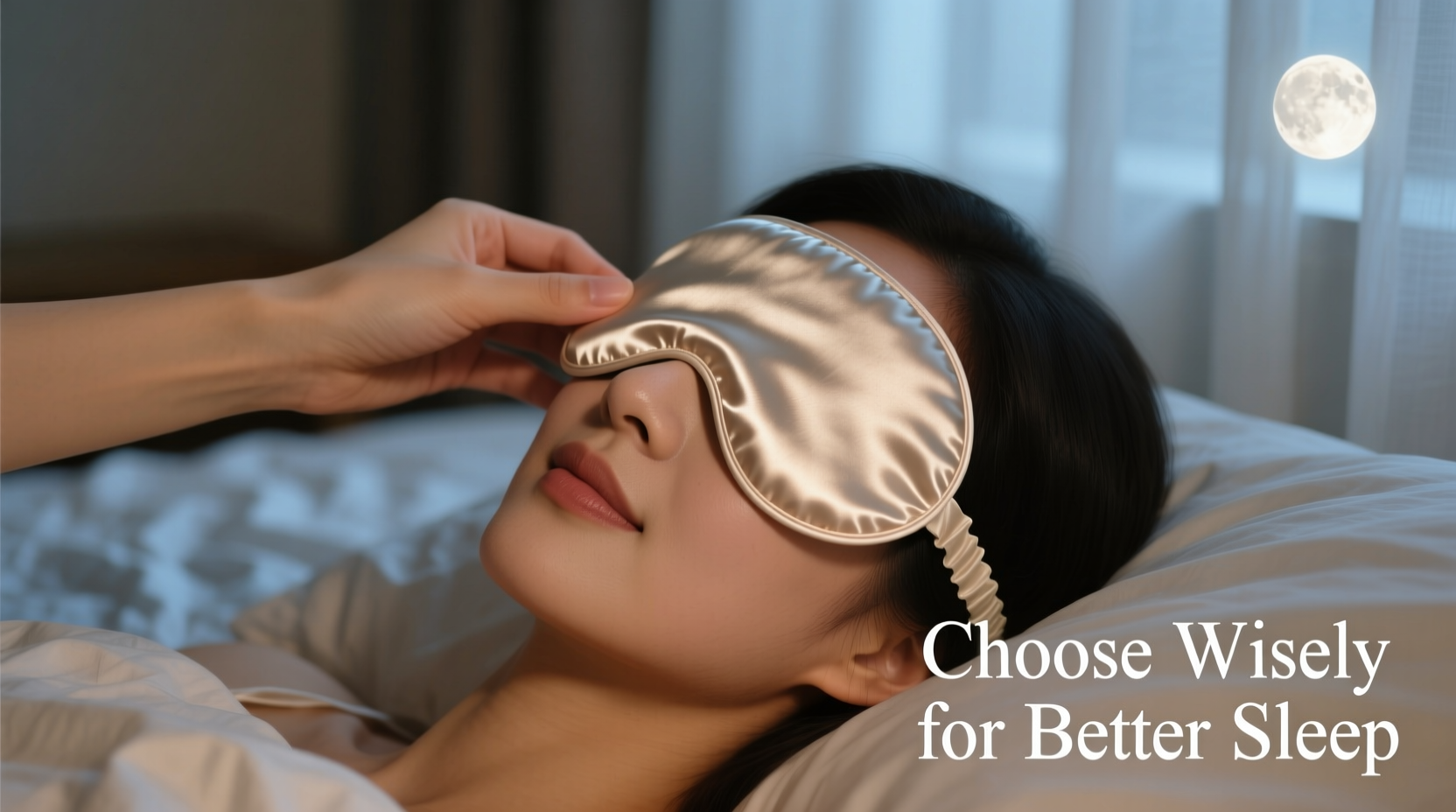
The most common materials used in sleep masks include silk, cotton, satin (polyester-based), bamboo, and memory foam. Each has unique properties that influence how it feels on the skin, how effectively it blocks light, and how it holds up over time.
- Silk: Natural protein fiber known for smooth texture and hypoallergenic qualities. Reduces friction on skin and hair.
- Cotton: Breathable, soft, and widely available. Ideal for sensitive skin but may retain moisture.
- Satin (Polyester): Smooth and affordable, but less breathable than natural fibers. Can trap heat.
- Bamboo: Eco-friendly, antibacterial, and highly breathable. Often blended with spandex for stretch.
- Memory Foam: Contoured padding that conforms to facial contours, enhancing light blockage. May feel warm during summer months.
The choice between natural and synthetic fabrics often comes down to personal priorities: sustainability, skin sensitivity, temperature regulation, or cost.
Material Properties That Impact Sleep Quality
Comfort is subjective, but certain material characteristics have measurable effects on sleep hygiene:
Breathability and Temperature Regulation
Fabrics like cotton and bamboo allow air circulation, reducing the risk of overheating—a common cause of nighttime awakenings. Silk also performs well in this area, wicking moisture without trapping heat. In contrast, polyester satin and memory foam tend to insulate, which can be problematic for hot sleepers.
Skin Sensitivity and Hypoallergenic Qualities
Natural fibers such as silk and bamboo are naturally resistant to dust mites and bacteria, making them ideal for allergy sufferers. Cotton is gentle but can harbor moisture if not washed regularly. Synthetic materials may cause irritation for those with sensitive skin due to chemical finishes or reduced airflow.
Durability and Washability
Silk requires gentle hand washing and careful drying, which some find inconvenient. High-quality mulberry silk, however, can last years with proper care. Cotton is machine-washable and resilient but may lose shape over time. Bamboo blends maintain integrity after multiple washes, while memory foam inserts should never be submerged in water.
“Choosing a sleep mask isn’t just about darkness—it’s about creating a microclimate around your eyes that supports relaxation and minimizes sensory disruption.” — Dr. Lena Patel, Sleep Health Researcher at the National Institute of Circadian Sciences
Comparison Table: Sleep Mask Materials at a Glance
| Material | Light Blocking | Breathability | Skin-Friendly | Durability | Best For |
|---|---|---|---|---|---|
| Silk | High | High | Excellent | Moderate (with care) | Sensitive skin, anti-aging, travelers |
| Cotton | Moderate | High | Good | High | Daily use, budget buyers |
| Satin (Polyester) | Moderate-High | Low | Fair | Moderate | Occasional use, cool climates |
| Bamboo | High | Very High | Excellent | High | Hot sleepers, eco-conscious users |
| Memory Foam | Very High | Low | Fair (may press on eyes) | Moderate | Light-sensitive individuals, shift workers |
Step-by-Step Guide to Choosing Your Ideal Sleep Mask Material
- Assess Your Sleep Environment: Do you sleep in a hot room? Travel frequently? Live in a city with constant light pollution? Hot environments favor breathable materials like bamboo or cotton.
- Evaluate Skin Sensitivities: If you experience redness or acne around the eyes, avoid synthetic fabrics. Opt for natural, hypoallergenic options like silk or bamboo.
- Determine Light Blockage Needs: Frequent flyers or shift workers benefit from contoured memory foam masks. Those needing mild dimming may prefer flat cotton or silk designs.
- Consider Maintenance Preferences: Will you wash the mask weekly? Silk demands more care; cotton and bamboo blends are easier to maintain.
- Test for Fit and Pressure: The material should cushion without pressing on the eyelids. Memory foam excels here but must be paired with a breathable outer layer.
- Factor in Ethical Priorities: Bamboo and organic cotton offer sustainable alternatives. Look for OEKO-Tex or GOTS certification for non-toxic production.
Real-World Example: A Shift Worker’s Journey to Better Rest
Maya, a nurse working rotating night shifts, struggled with daytime sleep due to sunlight streaming through her windows. She tried several masks: a cheap polyester version caused sweating and breakouts; a thin cotton one failed to block light from the sides. After researching materials, she invested in a contoured silk mask with adjustable straps and side shields. The silk felt cool against her skin, didn’t disrupt her eyelash extensions, and blocked nearly all ambient light. Within a week, her sleep latency decreased from 45 minutes to under 15. “It’s not magic,” she said. “It’s just finally using something designed for real human needs.”
Checklist: Questions to Ask Before Buying a Sleep Mask
- Does the material breathe well enough for my sleeping temperature?
- Is it hypoallergenic or suitable for sensitive skin?
- Will it maintain its shape after repeated washing?
- Does it block light from the sides and bottom, not just the front?
- Is the strap adjustable and made from a soft, non-irritating material?
- Does it accommodate glasses wearers or specific facial features?
- Is the construction eco-friendly or free from harmful dyes?
Frequently Asked Questions
Can I wash my silk sleep mask in the washing machine?
It’s not recommended. Hand wash your silk mask in cold water with a mild detergent, then lay flat to dry. Machine washing can damage the fibers and reduce lifespan.
Are bamboo sleep masks really more sustainable?
Yes, when responsibly sourced. Bamboo grows rapidly without pesticides and requires less water than cotton. However, check for certifications—some bamboo fabrics involve chemical processing. Look for lyocell or closed-loop processed bamboo for maximum eco-benefits.
Why does my sleep mask leave marks on my face?
This usually indicates excessive tightness or low-quality padding. Choose a mask with wide, cushioned edges and an adjustable strap. Materials like memory foam or padded silk distribute pressure evenly and minimize imprinting.
Final Thoughts: Prioritize Comfort, Then Customize
The best sleep mask material balances comfort, functionality, and personal needs. While silk remains a top-tier choice for luxury and skin benefits, bamboo and high-thread-count cotton offer compelling alternatives—especially for those prioritizing breathability and sustainability. Memory foam delivers unmatched light blockage but should be selected carefully to avoid discomfort.
Your ideal mask isn’t defined by price or brand, but by how well it integrates into your nightly routine. Consider trying samples or reading user reviews focused on long-term wear. Small details—like seam placement, strap elasticity, and inner lining—can make a significant difference in consistency and effectiveness.




 浙公网安备
33010002000092号
浙公网安备
33010002000092号 浙B2-20120091-4
Comments
No comments yet. Why don't you start the discussion?