
Selecting the right tablecloth is about more than just matching your dinnerware or wall color. The material you choose influences durability, ease of care, seasonal suitability, and overall ambiance. Whether hosting a formal dinner, a casual brunch, or an outdoor picnic, pairing function with aesthetics ensures your table setting enhances the experience. With so many fabrics available—from crisp cotton to sleek polyester—understanding their strengths and limitations helps you make informed decisions that align with your lifestyle.
Understanding Common Tablecloth Materials
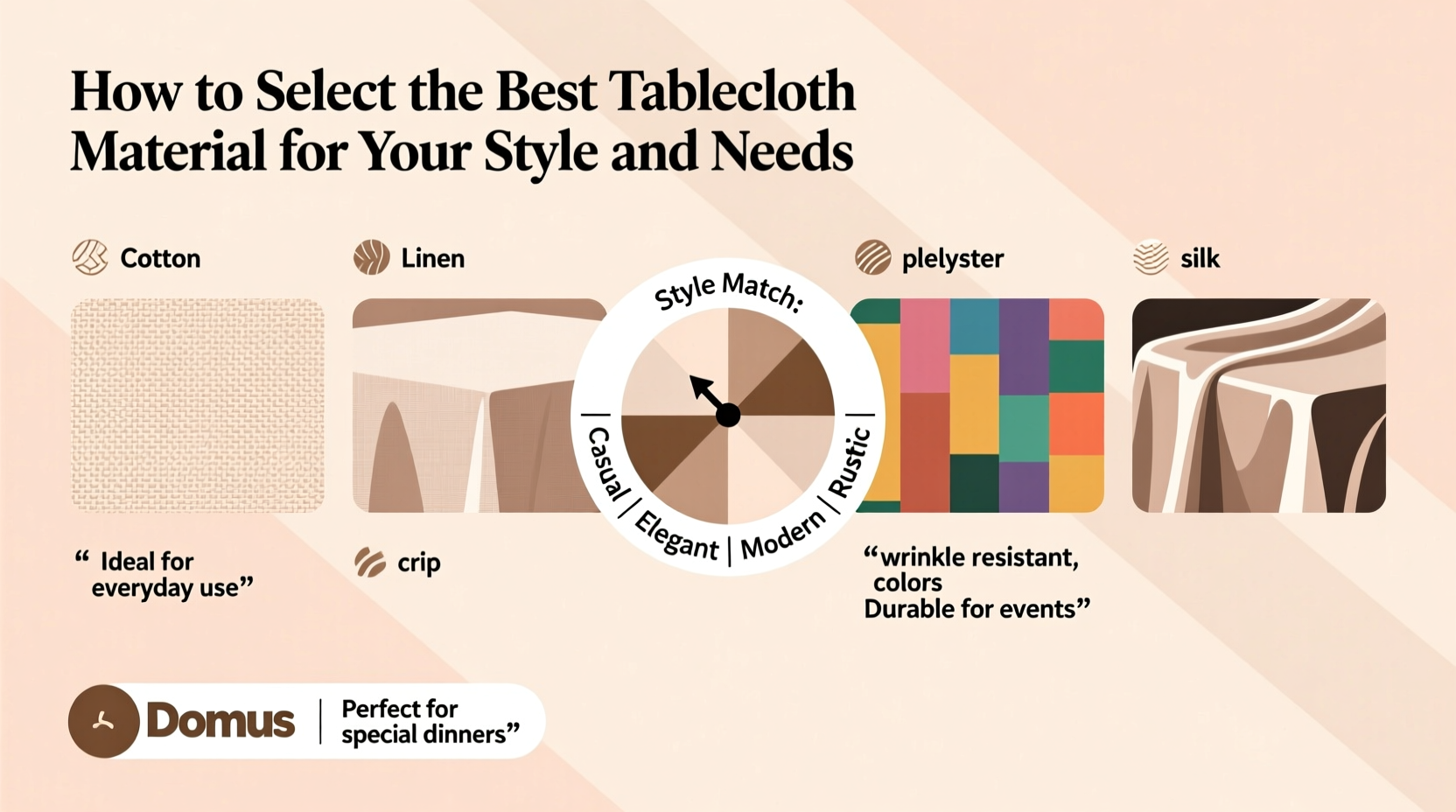
Each fabric brings distinct qualities to the table. Here’s a breakdown of the most widely used materials and what they offer:
- Cotton: Breathable, soft, and naturally absorbent, cotton offers a classic look. It drapes well and is ideal for both casual and formal settings. However, it wrinkles easily and may require ironing after washing.
- Linen: Made from flax fibers, linen is durable, moisture-wicking, and develops a relaxed elegance over time. It resists pilling and becomes softer with each wash. Its tendency to crease adds character but may not suit those seeking a pristine appearance.
- Polyester: Wrinkle-resistant and highly durable, polyester holds up well to frequent use and washing. It’s often blended with natural fibers to enhance strength and reduce wrinkling. While affordable, it can feel less luxurious and may trap heat.
- Cotton-Polyester Blend: Combines the breathability of cotton with the resilience of polyester. These blends resist shrinking and wrinkling better than pure cotton and are easier to maintain, making them popular for everyday use.
- Vinyl and Oilcloth: Waterproof and stain-resistant, these synthetic-coated fabrics are perfect for outdoor dining or households with young children. They wipe clean easily but lack breathability and can crack over time with repeated folding.
- Satin and Silk: Reserved for high-end events, these materials add opulence and shine. Delicate and prone to staining, they require professional cleaning and careful handling.
Matching Material to Occasion and Setting
The event you’re hosting should guide your choice as much as personal taste. A backyard barbecue calls for different considerations than a holiday dinner in the dining room.
For **indoor formal occasions**, linen or 100% cotton in neutral or rich tones conveys sophistication. These materials absorb light softly, creating an inviting atmosphere. Pair with cloth napkins and fine china for a cohesive presentation.
In **casual indoor settings**, such as family meals or weekend brunches, cotton blends or stonewashed linen work well. They tolerate spills and frequent laundering without losing shape or color.
**Outdoor events** demand practicality. Vinyl, oilcloth, or tightly woven polyester perform best here. They resist moisture, wind lift, and dirt. Choose bold patterns or darker colors to hide stains and wear.
“Linen remains unmatched for its texture and timelessness, but only if you embrace its lived-in charm.” — Clara Bennett, Interior Stylist & Textile Consultant
Comparing Key Properties: A Decision-Making Table
To help visualize trade-offs between materials, consider the following comparison based on care, durability, cost, and aesthetic appeal.
| Material | Wrinkle Resistance | Stain Resistance | Durability | Care Level | Best For |
|---|---|---|---|---|---|
| Cotton | Low | Moderate | Medium | Medium (ironing often needed) | Indoor dinners, spring/summer events |
| Linen | Very Low | Moderate | High | Medium-High (hand wash or gentle cycle) | Formal gatherings, rustic-chic themes |
| Polyester | High | High | High | Low (machine washable) | Everyday use, high-traffic homes |
| Cotton-Poly Blend | High | Moderate-High | High | Low-Medium | Balanced use across seasons |
| Vinyl/Oilcloth | Very High | Very High | Medium (can crack) | Very Low (wipe clean) | Outdoor dining, kids’ tables |
| Silk/Satin | Low | Low | Low | Very High (dry clean only) | Weddings, galas, luxury events |
Step-by-Step Guide to Choosing Your Ideal Tablecloth
Follow this five-step process to confidently select the best material for your needs:
- Define the primary use. Will the tablecloth be used daily, seasonally, or occasionally? Frequent use favors durable, easy-care fabrics like polyester blends.
- Assess your environment. Is the table indoors or outdoors? Humidity, sun exposure, and airflow affect fabric longevity. Avoid delicate silks in sunny conservatories.
- Evaluate your cleaning habits. If you prefer low maintenance, avoid materials requiring dry cleaning or ironing. Machine-washable synthetics or blends are ideal.
- Consider aesthetics and theme. Rustic decor pairs beautifully with linen, while modern spaces may suit sleek vinyl or solid polyester. Patterns can camouflage stains in busy households.
- Test before committing. Order a sample swatch to feel the weight, drape, and texture. Observe how it reacts to light and touch—this reveals more than product photos ever can.
Real-Life Example: Choosing for a Family with Young Children
Sarah, a mother of two toddlers, wanted to elevate her kitchen nook with a stylish tablecloth. She initially chose a beautiful ivory linen piece for its elegant drape. Within weeks, however, juice spills, crayon marks, and daily wear left it stained and frayed. After researching alternatives, she switched to a navy-and-white striped oilcloth. Not only did it withstand sticky fingers and frequent wiping, but the pattern also hid minor messes. The new tablecloth lasted over two years with no signs of fading or peeling. Her experience highlights how aligning material with real-life demands leads to greater satisfaction.
Essential Checklist Before You Buy
Before purchasing any tablecloth, run through this checklist to ensure it meets your practical and stylistic criteria:
- ✅ Measured your table dimensions (add 8–12 inches drop on each side)
- ✅ Determined frequency of use (daily, weekly, special occasions)
- ✅ Checked care instructions (machine washable? iron-safe?)
- ✅ Considered climate and location (indoor/outdoor, sun exposure)
- ✅ Evaluated existing décor (color scheme, furniture style)
- ✅ Tested a fabric sample if buying online
- ✅ Compared price per square foot for value
Frequently Asked Questions
Can I use a linen tablecloth every day?
Yes, but be prepared for regular ironing and visible wear over time. Linen’s charm lies in its relaxed, slightly rumpled look. If you appreciate a lived-in aesthetic, daily use is perfectly acceptable. Pre-washed linen reduces initial shrinkage and softens the fabric from the start.
How do I prevent my tablecloth from blowing away outdoors?
Choose heavier materials like canvas or vinyl, or opt for fitted styles with elastic corners. Alternatively, use decorative weights—such as glass stones, potted herbs, or candle holders—along the edges. Anchoring the cloth under place settings also helps in mild breezes.
Are there eco-friendly tablecloth options?
Absolutely. Organic cotton, hemp, and certified sustainable linen are renewable, biodegradable choices. Look for GOTS (Global Organic Textile Standard) certification to ensure ethical production. Avoid PVC-based vinyls, which are non-recyclable and environmentally harmful.
Final Thoughts: Style Meets Practicality
The best tablecloth strikes a balance between beauty and usability. It should reflect your personal taste while standing up to the realities of your home. There’s no universal “best” material—only what works best for you. Whether you prioritize effortless cleanup, environmental sustainability, or timeless elegance, understanding fabric properties empowers smarter choices. Invest time in evaluating your needs, and you’ll enjoy a table setting that feels intentional, welcoming, and built to last.




 浙公网安备
33010002000092号
浙公网安备
33010002000092号 浙B2-20120091-4
Comments
No comments yet. Why don't you start the discussion?