
Choosing the right action figure size isn’t just about preference—it’s a decision that impacts play value, safety, shelf space, and long-term enjoyment. Whether your child is diving into imaginative storytelling or starting a curated collection, selecting the appropriate scale ensures years of engagement without frustration or risk. With countless sizes available—from palm-sized miniatures to towering 12-inch collectibles—navigating this landscape can be overwhelming. This guide breaks down the key factors to consider, from developmental appropriateness to storage logistics, so you can make an informed choice that balances fun, function, and future growth.
Understanding Common Action Figure Scales
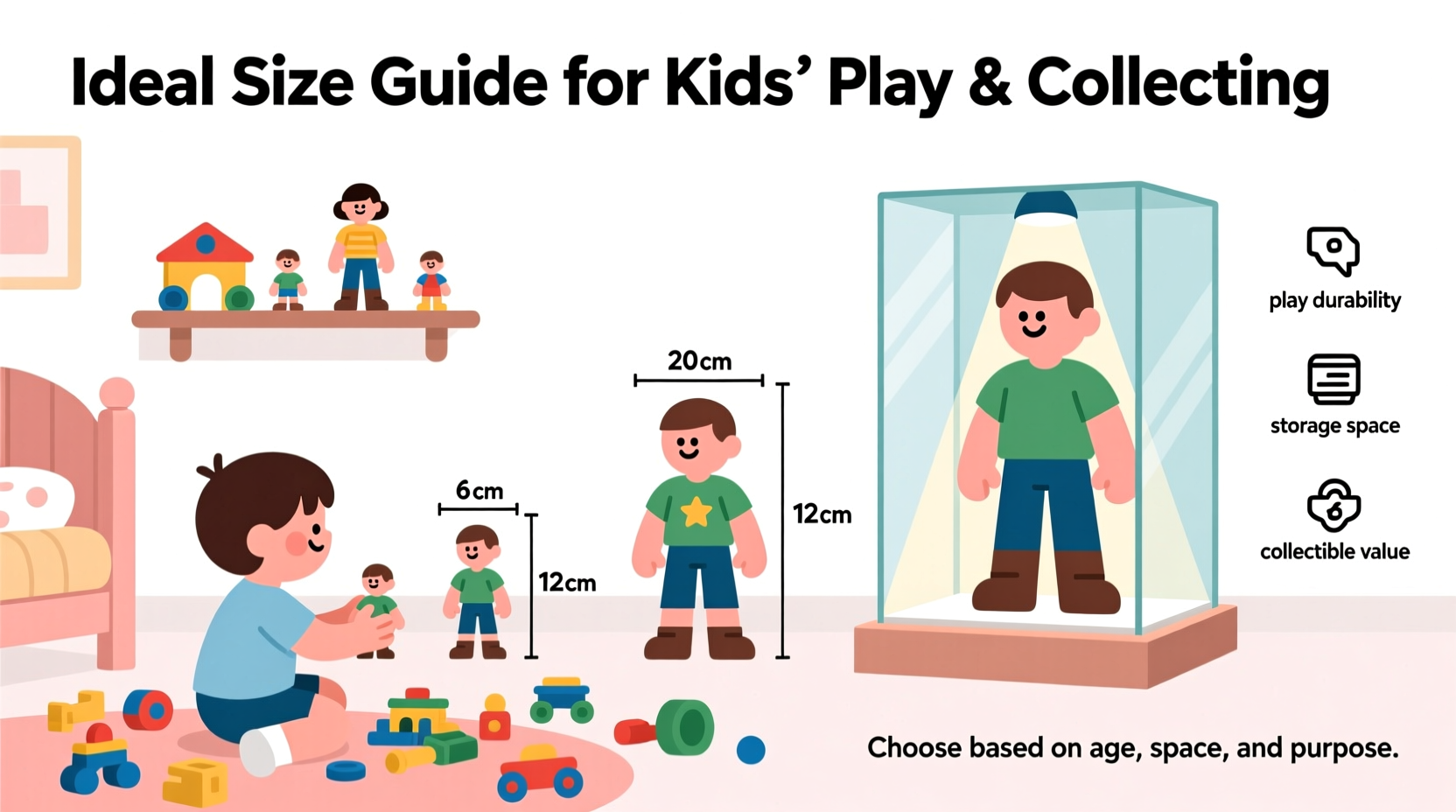
Action figures come in a variety of standardized scales, each designed for different purposes. The most common sizes fall within a range measured in inches, though some are described by scale ratios like 1:6 or 1:12. Familiarizing yourself with these categories helps narrow options based on intended use.
| Size (inches) | Scale | Typical Use | Average Age Suitability |
|---|---|---|---|
| 3–4 inches | 1:18 | Mass-market playsets, Marvel Legends, Star Wars Black Series | 5+ |
| 6 inches | 1:12 | Collector-focused, detailed articulation, premium lines | 8+, teens, adults |
| 12 inches | 1:6 | Display, poseable collector models, vintage reproductions | 10+, collectors |
| 1.5–2 inches | Mini/Blind Bag | Blind bags, blind boxes, small play sets | 4–8 |
The 3–4 inch range dominates retail shelves because it strikes a balance between affordability, portability, and compatibility with themed vehicles and playsets. Larger figures offer superior detail and realism but often come with higher price tags and greater fragility—important considerations when children are involved.
Safety and Developmental Appropriateness
For younger children, safety is paramount. Small parts pose choking hazards, especially in figures under 3 inches that may have removable accessories or delicate limbs. The U.S. Consumer Product Safety Commission recommends avoiding toys with components smaller than 1.75 inches in diameter for children under 3.
Beyond physical safety, consider cognitive and motor development. Toddlers and preschoolers benefit from larger, chunkier figures with limited articulation. These are easier to grip and manipulate during pretend play. As children grow into early elementary school, their fine motor skills improve, allowing them to handle smaller joints, weapons, and costume pieces typical of 3–4 inch figures.
“Children aged 4 to 7 thrive with toys that support narrative play. Figures around 3–4 inches encourage storytelling while being durable enough for active use.” — Dr. Lena Patel, Child Development Specialist
Key Safety Checklist Before Purchase
- Check for small detachable parts (especially helmets, guns, capes).
- Ensure paint is non-toxic and sealed against chipping.
- Avoid figures with sharp edges or brittle plastic.
- Verify age recommendations on packaging match your child’s maturity level.
- Inspect articulation points—overly loose joints may break easily.
Matching Size to Play Style vs. Collection Goals
One of the most important distinctions is whether the figures are primarily for play or display. This single factor should heavily influence your size selection.
For active play: Smaller figures (3–4 inches) are ideal. They’re lightweight, easy to carry, and compatible with a wide array of playsets, vehicles, and modular environments. Their compact size also makes cleanup and storage simpler. Brands like Hasbro’s Marvel Universe or basic Star Wars figures excel here due to consistent scaling and robust construction.
For display and collecting: Larger figures (6–12 inches) shine. These models feature intricate sculpting, fabric clothing, and high articulation, appealing to older children and adult collectors. However, they require dedicated shelf space and protection from dust and sunlight. They’re less suited for rough handling.
Real Example: The Dual-Purpose Setup
Eight-year-old Maya loves both storytelling and organizing her room. Her parents bought her a set of 3.75-inch Star Wars figures for daily imaginative play, along with one 6-inch Black Series Darth Vader for display on her desk. She rotates through the smaller figures weekly, creating new missions, while treating the larger piece as a “trophy” model. This combination satisfies both creative expression and pride in ownership without risking damage to premium collectibles.
Storage, Space, and Long-Term Planning
Before investing in any size, evaluate your home environment. How much shelf or drawer space is realistically available? A growing collection of 6-inch figures can quickly consume a bookshelf, while dozens of 3-inch figures fit neatly in a single bin.
Think ahead: Will your child likely continue collecting in the coming years? If yes, scalable systems matter. Many 3–4 inch lines follow industry standards (e.g., Marvel Legends, Power Rangers), meaning figures and accessories remain compatible across releases. Larger formats vary more between brands, limiting interoperability.
Step-by-Step Guide: Choosing Based on Space & Growth
- Measure available storage space—drawers, shelves, or display cases.
- Determine average annual purchases—how many figures will be added per year?
- Select a primary size that fits projected growth over 3–5 years.
- Invest in modular storage (clear bins, stackable trays, acrylic cases).
- Label and organize by theme or series to maintain accessibility.
If space is tight, prioritize smaller scales. For dedicated hobbyists with display cabinets, larger figures become viable. Remember: overcrowding leads to damaged toys and diminished enjoyment.
FAQ: Common Questions About Action Figure Sizes
What size action figure is safest for a 4-year-old?
Opt for figures 4 inches or larger with minimal small accessories. Look for models labeled “ages 4+” with secure joints and non-toxic finishes. Avoid blind bag minis at this age due to choking risks.
Can my child play with 6-inch collectible figures?
Only if supervision is consistent and the child demonstrates careful handling. Most 6-inch figures are designed for display and may have fragile parts like fabric capes, wire-framed hands, or delicate head sculpts that don’t withstand rough play.
Are there universal standards for action figure sizes?
No official global standard exists, but many manufacturers follow de facto norms. For example, 3.75 inches became popularized by Kenner’s original Star Wars line and is now widely adopted. Similarly, 6 inches has become the benchmark for premium modern lines like Marvel Legends and DC Multiverse.
Final Considerations and Expert Insights
Ultimately, the ideal size blends practicality with passion. A child obsessed with superheroes might appreciate the detail of 6-inch figures even at age 7, provided they’re taught responsible care. Conversely, a younger child who loves moving toys around rapidly may do better with sturdier, smaller-scale options.
“The best toy isn’t always the biggest or most detailed—it’s the one that gets used, imagined with, and loved over time.” — Marcus Tran, Toy Historian and Curator at the National Play Institute
Consider involving your child in the decision. Let them hold different sizes, compare articulation, and discuss what kind of adventures they’d create. Ownership begins with engagement, and thoughtful selection fosters respect for belongings.
Conclusion
Selecting the ideal action figure size requires balancing safety, developmental stage, available space, and long-term goals. Whether fueling dynamic play sessions or building a proud display, the right scale enhances both enjoyment and longevity. Start with purpose—play or collection—then align size with age, durability, and room to grow. With smart choices today, you’re not just buying a toy; you’re supporting creativity, storytelling, and the joy of ownership that can last a lifetime.




 浙公网安备
33010002000092号
浙公网安备
33010002000092号 浙B2-20120091-4
Comments
No comments yet. Why don't you start the discussion?