
Selecting the right bedding for a bunk bed goes beyond aesthetics—it’s about safety, comfort, and long-term usability. Many people assume that standard mattress sizes automatically translate to compatible sheets and blankets, but bunk beds often use non-standard dimensions or require specialized fittings. Choosing incorrectly can lead to loose, slipping sheets or bedding that doesn’t cover the mattress fully, creating discomfort and potential hazards. This guide walks you through every critical factor in selecting the perfect bedding size for your bunk bed, ensuring both functionality and peace of mind.
Understand Bunk Bed Mattress Sizes
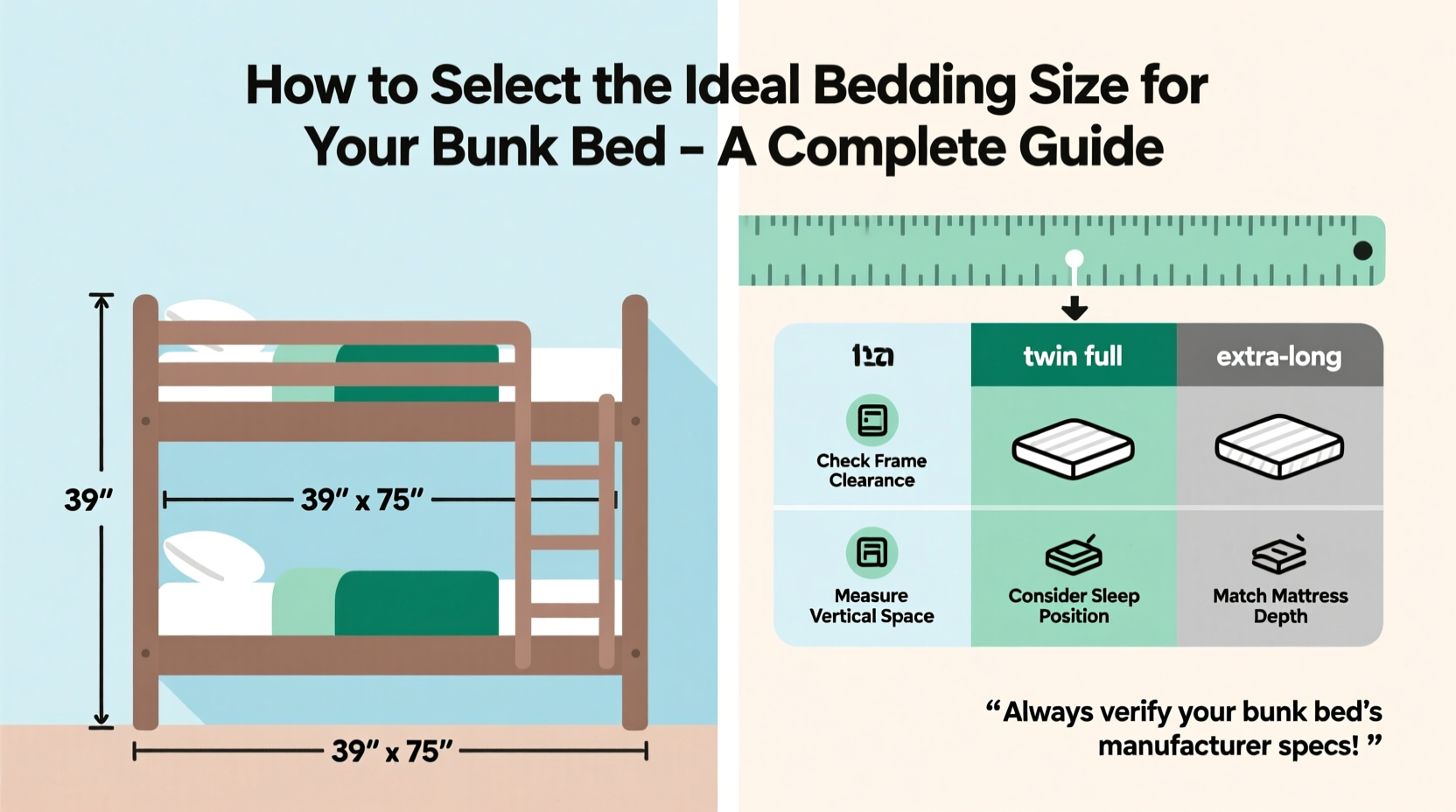
Bunk beds come in various configurations, and not all use standard mattress sizes. While some models accommodate common dimensions like twin or full, others are designed with custom or junior sizes. Before purchasing any bedding, confirm the exact mattress dimensions of your bunk bed. Refer to the manufacturer’s specifications or measure the mattress directly using a tape measure.
Common bunk bed mattress sizes include:
- Twin (38” x 75”) – Most common for top and bottom bunks.
- Twin XL (38” x 80”) – Often used in college dorms; slightly longer than standard twin.
- Full/Double (54” x 75”) – Typically found on the bottom bunk of family-sized models.
- Junior Bunk (52” x 76”) – Slightly narrower and shorter than a full, designed specifically for certain bunk frames.
Matching Bedding Components to Your Bunk Size
Once you’ve confirmed the mattress size, it's time to select each bedding component with precision. Sheets, comforters, and pillowcases must align with the mattress dimensions to ensure a snug, secure fit—especially important on upper bunks where loose fabric could pose a safety risk.
Fitted Sheets: The Foundation of Safety
Fitted sheets should hug the mattress tightly without excessive stretching or sagging. Look for sheets labeled “deep-pocket” if your mattress exceeds 12 inches in height. Measure the depth of your mattress from top to bottom before purchasing.
Flat Sheets & Comforters: Avoid Overhang Hazards
Excess fabric hanging over the edge of an upper bunk can be a tripping or entanglement hazard. Choose flat sheets and comforters that match the mattress size exactly or opt for slightly smaller dimensions. Duvets with removable covers offer versatility and easier washing.
Pillowcases: Don’t Overlook Proportion
Standard pillows (20” x 26”) work well with twin-sized bunks. For full-sized bottom bunks, consider queen-sized pillowcases for added comfort. Avoid oversized pillows that extend beyond the bed frame.
“Parents often focus on the frame and mattress but underestimate how much bedding affects safety and sleep quality. A properly fitted sheet reduces nighttime disturbances and prevents entrapment risks.” — Dr. Linda Chen, Pediatric Sleep Specialist
Step-by-Step Guide to Selecting the Right Bedding
Follow this logical sequence to ensure you choose bedding that fits perfectly and functions safely:
- Measure the mattress: Use a tape measure to record length, width, and depth. Include any mattress topper if used.
- Check manufacturer guidelines: Some bunk beds require proprietary bedding sizes. Verify compatibility.
- Determine bunk position: Upper bunks benefit from lightweight, securely fitted bedding. Bottom bunks can handle heavier comforters.
- Select appropriate materials: Cotton blends offer breathability; microfiber resists wrinkles and shrinking.
- Test the fit: Before finalizing purchases, lay out the fitted sheet and check for tautness at corners.
- Wash before use: Pre-washing prevents shrinkage after installation and removes manufacturing residues.
Do’s and Don’ts: Bedding Selection Checklist
| Do’s | Don’ts |
|---|---|
| ✔ Measure mattress before buying bedding | ✖ Assume twin means standard twin |
| ✔ Use elasticized fitted sheets with deep pockets if needed | ✖ Use oversized comforters that drape onto the floor |
| ✔ Choose breathable, hypoallergenic fabrics for kids | ✖ Ignore care instructions—frequent washing is essential |
| ✔ Prioritize safety on upper bunks—secure all corners | ✖ Allow loose sheets or dangling strings near sleeping areas |
| ✔ Label sets by bunk level to avoid mix-ups | ✖ Use decorative pillows or excessive bedding on top bunks |
Real-Life Example: The Martinez Family’s Bunk Bed Challenge
The Martinez family purchased a wooden bunk bed for their two sons, ages 8 and 10. They assumed the beds were standard twin size and bought matching bedding online. After assembly, they discovered the top bunk used a junior twin size (36” x 75”), slightly narrower than a standard twin. The sheets were too wide, causing constant shifting during sleep. One morning, the younger boy tripped on a hanging corner of the comforter while climbing down.
After consulting the manual, they reordered correctly sized junior twin bedding. They also switched to a tailored quilt that ended at the mattress edge, eliminating overhang. Since then, both boys sleep better, and the parents report fewer nighttime adjustments and improved safety.
Frequently Asked Questions
Can I use regular twin sheets on a bunk bed?
Only if your bunk bed uses a standard twin mattress (38” x 75”). Many bunk beds, especially older or imported models, use junior twin (36” x 75”) or custom sizes. Always verify dimensions before assuming compatibility.
Are there special sheets just for bunk beds?
Yes. Many brands offer “bunk bed sheets” designed with extra-deep pockets and reinforced corners to stay in place. These are often marketed as “tight-fitting” or “stay-put” sheets and are ideal for active sleepers or children.
How often should bunk bed bedding be washed?
For hygiene and freshness, wash sheets and pillowcases weekly. Comforters and duvet covers should be cleaned every two to four weeks, depending on use. Mattress protectors should be wiped down monthly and laundered per manufacturer instructions.
Expert Tips for Long-Term Bedding Success
Maintaining proper bedding on a bunk bed requires ongoing attention. Rotate sheet sets regularly to extend lifespan and prevent wear in high-friction areas like corners. Use mattress pads or protectors to guard against spills and allergens—especially important in shared sleeping spaces.
Consider color-coding bedding by bunk level. For example, blue for the top bunk and green for the bottom helps avoid confusion and encourages responsibility in children. Store off-season bedding in breathable cotton bags rather than plastic to prevent mildew.
Conclusion: Make Safety and Comfort a Priority
Selecting the ideal bedding size for your bunk bed isn’t just a matter of convenience—it’s a crucial step in ensuring safety, comfort, and durability. From accurate measurements to choosing the right materials and avoiding hazardous overhangs, every detail plays a role in creating a restful and secure sleeping environment. Whether you’re outfitting a child’s room, a guest space, or a dormitory setup, taking the time to get the sizing right pays off in better sleep and peace of mind.




 浙公网安备
33010002000092号
浙公网安备
33010002000092号 浙B2-20120091-4
Comments
No comments yet. Why don't you start the discussion?