
Selecting a designer tote bag isn’t just about following trends or brand prestige. It’s about finding a seamless blend of form and function that supports your lifestyle. Whether you're commuting to work, running errands, or heading to a weekend brunch, the right tote should feel like an extension of your personal style while handling your everyday essentials with ease. With countless options on the market—from structured leather carryalls to minimalist canvas designs—choosing the ideal one requires thoughtful consideration beyond aesthetics.
Assess Your Daily Needs First
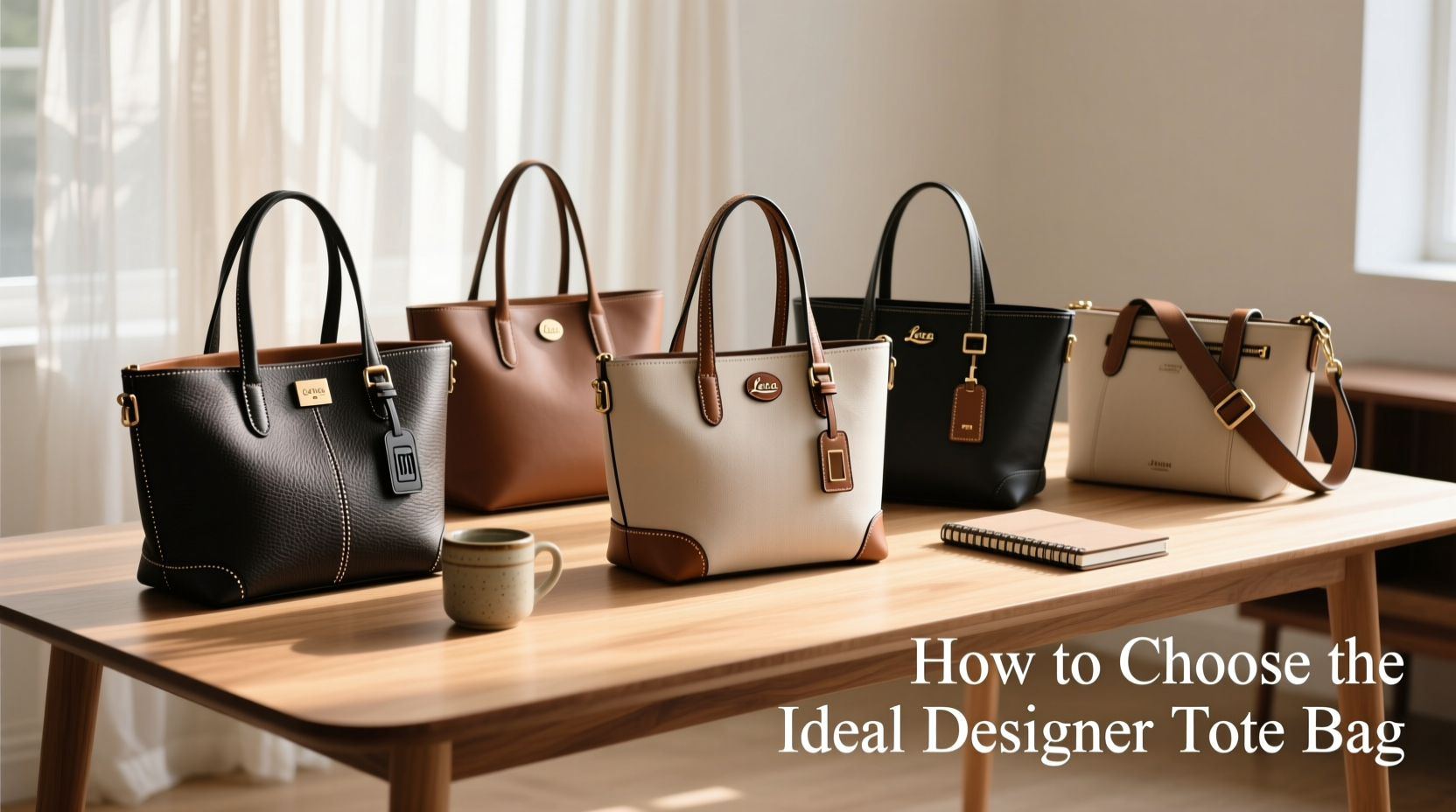
Before falling in love with a bag’s silhouette or logo, start by evaluating what you actually carry on a typical day. A professional might need space for a laptop, notebook, and makeup pouch, while a student may prioritize lightweight construction and room for textbooks. Understanding your routine helps narrow down size, compartment layout, and weight tolerance.
Ask yourself: Do you frequently switch between indoor and outdoor environments? Are you often on public transit or walking long distances? These factors influence not only comfort but also material resilience. A bulky tote may look polished in photos but become burdensome after an hour on your shoulder.
Material Matters: Durability Meets Aesthetic
The fabric or leather of a tote determines its longevity, maintenance needs, and overall feel. Designer brands use a range of materials, each with distinct advantages.
| Material | Pros | Cons | Best For |
|---|---|---|---|
| Full-Grain Leather | Durable, ages beautifully, water-resistant | Heavy, expensive, requires conditioning | Professional settings, all-season use |
| Saffiano (Textured Leather) | Scratch-resistant, easy to clean, structured | Limited softness, less breathable | Urban commuters, frequent travelers |
| Canvas with Leather Trim | Lightweight, casual, affordable | Prone to stains, less formal | Casual outings, weekend use |
| Technical Nylon | Waterproof, ultra-light, durable | Less luxurious appearance | Rainy climates, active lifestyles |
Leather remains a top choice for timeless elegance and resilience, but it demands care. Saffiano finishes are particularly popular among professionals due to their resistance to scuffs—a crucial feature when navigating crowded streets or airport terminals.
“Luxury isn’t just about the label—it’s about craftsmanship and suitability. A well-made tote in the right material can serve you for over a decade.” — Julian Park, Accessories Curator at The Style Archive
Size and Structure: Form Follows Function
A tote too small forces you to carry items awkwardly; one too large loses shape and becomes unwieldy. The ideal dimensions typically fall between 13 to 16 inches in width, allowing enough space for a 13-inch laptop, wallet, sunglasses, and a small cosmetic case without sagging.
Consider structure: fully structured totes maintain shape and offer better organization, while slouchy styles provide flexibility and a relaxed vibe. However, unstructured bags may lack internal pockets, making it harder to locate keys or phone quickly.
Handle length is another critical factor. Short handles suit under-arm carrying in formal settings, while longer straps allow shoulder or crossbody wear—ideal for hands-free mobility. If you alternate between desk work and transit, opt for dual-handle designs with both short and long options.
Mini Case Study: From Overwhelmed to Organized
Sophia, a freelance graphic designer based in Chicago, owned a sleek black designer tote she loved—but found herself constantly removing layers to access her tablet or sketchbook. After switching to a slightly larger, structured tote with a padded laptop sleeve and zippered interior pocket, she reduced daily frustration and improved efficiency. “I didn’t realize how much time I wasted digging through my bag,” she said. “The new one has zones for everything. It feels intuitive.”
Color and Versatility: Building Around Your Wardrobe
Neutral tones—black, tan, navy, and gray—are classic for a reason: they pair effortlessly with seasonal wardrobes and transition from day to night. If your style leans bold, consider a statement color like burgundy or emerald, but ensure it complements at least three core outfits in your rotation.
For maximum versatility, choose a shade that bridges seasons. A camel tote works with winter coats and summer dresses alike. Avoid overly trendy colors unless you’re prepared to retire the bag when the aesthetic shifts.
Step-by-Step Guide to Choosing Your Ideal Tote
- Evaluate your daily load: List essential items you carry regularly (e.g., laptop, umbrella, wallet).
- Determine preferred carry style: Decide between hand-held, shoulder, or crossbody use based on commute and comfort.
- Select a suitable material: Match durability needs to your environment (e.g., rain exposure, office vs. outdoor use).
- Choose size and structure: Aim for a balance between capacity and proportion to your frame.
- Pick a versatile color: Prioritize neutrals unless you have a specific styling goal.
- Test in person if possible: Check weight, handle drop, and ease of opening before purchasing.
- Verify authenticity and warranty: Ensure the brand offers authentication, repair services, or resale support.
Common Pitfalls to Avoid
- Ignoring weight: Heavy bags cause shoulder strain over time, especially when filled.
- Overlooking interior details: Lack of pockets or lining reduces usability.
- Chasing logos: Brand prominence doesn’t guarantee quality or fit.
- Skipping comfort tests: Always simulate carrying the bag with typical contents.
Frequently Asked Questions
Can a designer tote be practical for everyday use?
Absolutely. Many high-end brands design totes specifically for daily wear, incorporating features like water-resistant linings, RFID-blocking pockets, and ergonomic shapes. Look for collections marketed as “urban” or “workwear” focused.
How do I maintain my designer tote?
Clean spills immediately with a soft, dry cloth. Use conditioners for leather every 2–3 months. Store in a dust bag away from direct sunlight and humidity. Avoid overstuffing to preserve shape.
Is investing in a designer tote worth it?
Yes, if you choose wisely. A well-maintained designer tote can last 7–10 years or more, outperforming multiple cheaper alternatives in durability and style retention. Brands like Cuyana, Polène, and Loewe have strong reputations for lasting craftsmanship.
Final Checklist Before Purchase
- ✅ Fits your essential items comfortably
- Includes space for tech, documents, and personal items without bulging.
- ✅ Comfortable handle or strap length
- Allows easy shoulder carry without slipping or digging in.
- ✅ Durable, appropriate material
- Made from scratch-resistant, weather-appropriate fabric or leather.
- ✅ Functional interior layout
- Features at least one secure zip pocket and phone-friendly slip compartments.
- ✅ Neutral or wardrobe-compatible color
- Matches the majority of your seasonal outfits.
- ✅ Authenticity verified
- Purchased from authorized retailer or reseller with proof of origin.
Conclusion: Make Your Choice Count
Selecting the ideal designer tote bag is an investment in both appearance and daily ease. When style aligns with practicality, the result is more than a fashion accessory—it becomes a reliable companion that enhances your confidence and efficiency. Take the time to assess your real-world needs, prioritize quality over trendiness, and choose a piece that reflects your authentic lifestyle. The perfect tote isn’t the most expensive or photographed one—it’s the one you reach for every morning without hesitation.




 浙公网安备
33010002000092号
浙公网安备
33010002000092号 浙B2-20120091-4
Comments
No comments yet. Why don't you start the discussion?