
Gold plated rings offer an elegant, affordable alternative to solid gold jewelry. With their radiant finish and accessible price point, they’ve become a staple in modern wardrobes. However, not all gold plated rings are created equal. Many wearers discover too late that their ring has tarnished, faded, or caused skin irritation—issues often avoidable with informed selection. Choosing the right piece requires understanding the nuances of plating thickness, base metals, craftsmanship, and lifestyle compatibility. This guide breaks down every critical factor so you can invest in a gold plated ring that looks beautiful and lasts.
Understanding Gold Plating: What It Really Means
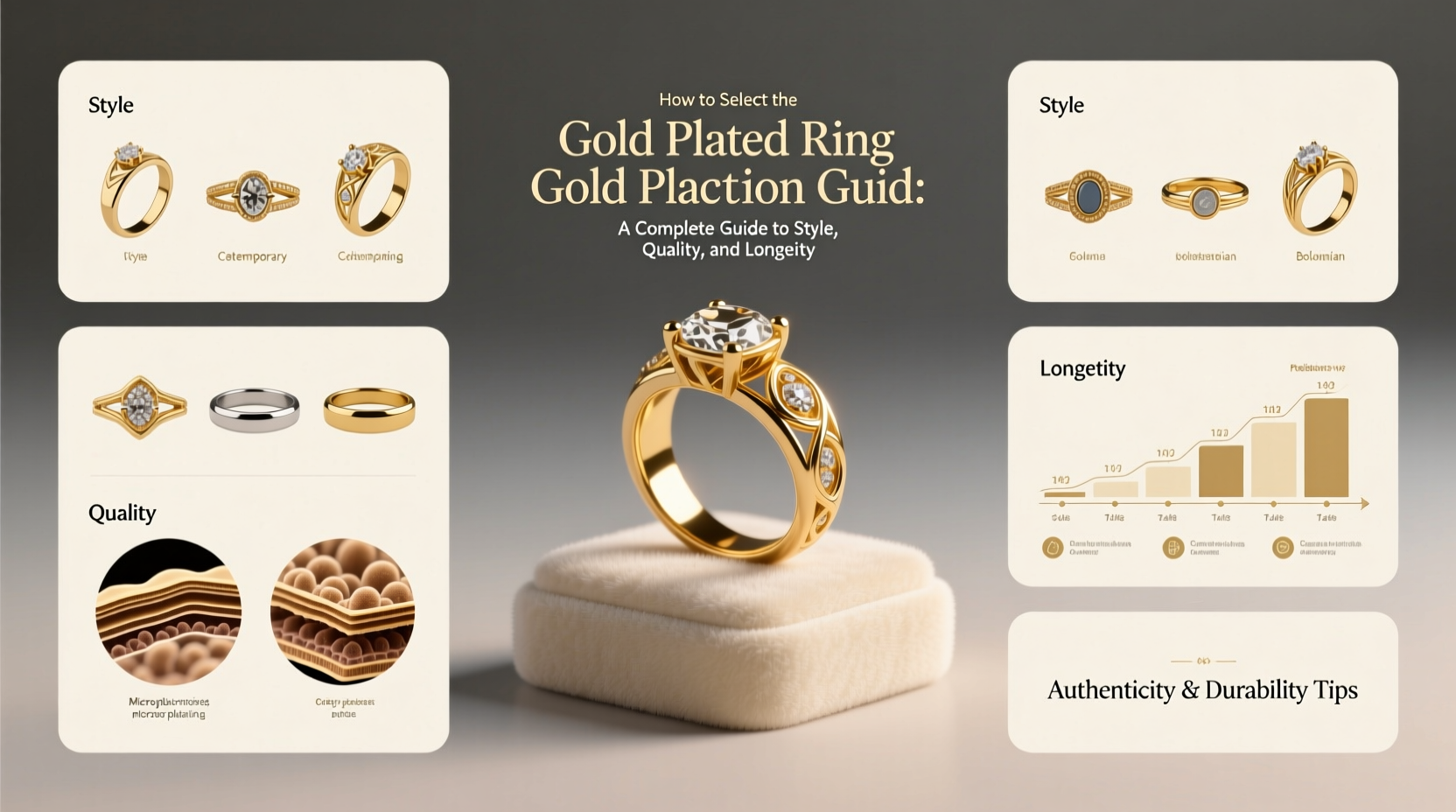
Gold plating involves bonding a thin layer of real gold to a base metal—typically brass, copper, or stainless steel—through an electrochemical process. The result is a surface that mimics the appearance of solid gold at a fraction of the cost. However, because the gold layer is not permanent, its durability depends heavily on how it was applied and maintained.
The key metric in gold plating is thickness, measured in microns (µm) or karats. Industry standards define different tiers of quality based on this measurement:
| Plating Thickness | Expected Lifespan | Common Use |
|---|---|---|
| 0.5–1 micron | 3–6 months with daily wear | Fashion jewelry, low-cost accessories |
| 1–2.5 microns | 6 months to 2 years | Better-quality fashion rings, semi-fine jewelry |
| 2.5+ microns | 2+ years, especially with care | Premium plated pieces, designer collaborations |
Rings labeled “heavy gold plated” or “vermeil” (if over sterling silver) typically meet or exceed 2.5 microns, offering significantly better resistance to wear. Always check product descriptions for these specifications—when in doubt, contact the seller directly.
Choosing the Right Base Metal
The foundation of any gold plated ring determines not only its strength but also its interaction with your skin and environment. Common base metals include:
- Brass: Affordable and malleable, but prone to tarnishing and may cause green discoloration on sensitive skin.
- Copper: Similar to brass; conducts heat well but oxidizes quickly when exposed to moisture and oils.
- Stainless Steel: Durable, hypoallergenic, and resistant to corrosion—ideal for active lifestyles.
- Sterling Silver: Used in gold vermeil rings; provides a high-end base but requires protection from sulfur and humidity.
If you have sensitive skin or live in a humid climate, opt for rings with stainless steel or nickel-free alloys beneath the gold layer. These minimize allergic reactions and extend the life of the plating by reducing oxidation from below.
“Many people blame their skin chemistry for tarnishing, but often it’s the base metal reacting first. A stable substrate like stainless steel makes all the difference.” — Lena Torres, Master Jewelry Artisan & Materials Consultant
Design and Craftsmanship: Style That Endures
Aesthetics matter, but so does structural integrity. Thin bands, intricate filigree, or stones set with weak prongs may look stunning initially but degrade faster under regular use. When evaluating design:
- Choose simpler, bolder styles for everyday wear—minimalist bands or solitaire settings tend to last longer than ornate designs.
- Avoid sharp edges or protruding elements that catch on fabrics or scratch surfaces.
- Ensure gemstones (if present) are securely set. Micro-pave or bezel settings offer more protection than prong-only mounts.
- Check for smooth transitions between the band and setting—rough seams indicate lower craftsmanship and potential failure points.
Consider your lifestyle. If you work with your hands, type frequently, or exercise regularly, a low-profile ring with a comfort-fit interior will stay intact and comfortable far longer than a tall, delicate design.
Step-by-Step Guide to Selecting Your Ideal Ring
Follow this practical sequence to ensure you make a confident, informed decision:
- Determine your budget. Set a realistic range—quality gold plated rings start around $50 and go up to $200+ for premium finishes.
- Identify your primary use case. Is it for daily wear, special occasions, or layering with other rings?
- Research brands with transparent sourcing. Reputable sellers disclose plating thickness, base metal, and care instructions.
- Read customer reviews focusing on longevity. Look for comments about fading, chipping, or skin reactions after 3+ months of use.
- Verify return policies. Choose retailers offering at least a 30-day window in case the ring doesn’t perform as expected.
- Try before you buy (if possible). Visit boutiques or pop-ups to assess weight, finish, and fit in person.
- Measure your ring size accurately. Ill-fitting rings shift excessively, increasing friction and accelerating wear.
Real Example: Sarah’s Experience with Two Rings
Sarah, a graphic designer from Portland, bought two gold plated rings within six months of each other. The first, from a fast-fashion brand, cost $28 and began flaking within three weeks. The gold peeled near the band, revealing dark brass underneath. She wore it occasionally, yet sweat from her desk job accelerated the deterioration.
Her second purchase, from a sustainable jewelry brand, cost $120 but featured 3-micron 18K gold over surgical-grade stainless steel. Now in its 14th month, the ring retains its luster with only light polishing every few months. “I didn’t realize plating could vary so much,” she says. “The second ring feels heavier, smoother, and hasn’t irritated my skin once.”
This contrast underscores a vital truth: upfront investment in quality pays off in both appearance and lifespan.
Essential Care Tips for Longevity
Even the best gold plated ring will degrade without proper maintenance. Follow these practices to preserve its brilliance:
- Remove your ring before showering, swimming, or applying lotions and perfumes.
- Clean gently with a soft, dry microfiber cloth after each wear.
- Store separately in a fabric-lined box to prevent scratching.
- Avoid exposure to chlorine, saltwater, and harsh chemicals.
- Limit continuous wear—rotate with other rings to reduce friction and sweat buildup.
For deeper cleaning, mix lukewarm water with a single drop of mild dish soap. Dip a soft cloth (not the ring itself) and wipe lightly. Never soak gold plated jewelry—water can seep beneath the plating and cause bubbling.
FAQ: Common Questions About Gold Plated Rings
Can I wear a gold plated ring every day?
You can, but longevity depends on plating thickness and lifestyle. Rings with 2.5+ microns of plating over durable bases like stainless steel are suitable for daily wear if properly cared for. Avoid wearing them during intense physical activity or exposure to moisture.
Why does my gold plated ring turn my finger green?
This reaction is usually caused by copper or nickel in the base metal interacting with skin acidity and sweat. Opt for nickel-free or stainless steel-based rings to prevent discoloration. Applying a clear nail polish barrier inside the band can also help temporarily.
Is gold plating worth it compared to solid gold?
For many, yes. Solid gold rings are an investment, often costing hundreds or thousands more. Gold plated rings provide similar visual appeal at a fraction of the price, especially when well-made. They’re ideal for trend-driven styles or rotating collections where permanence isn’t the goal.
Final Checklist Before You Buy
- ✅ Plating thickness is clearly stated (aim for 2.5+ microns)
- ✅ Base metal is durable and hypoallergenic (e.g., stainless steel)
- ✅ Ring design suits your daily activities
- ✅ Seller provides care instructions and return policy
- ✅ Customer reviews confirm long-term satisfaction
- ✅ Size is accurate and comfortable for extended wear
Make a Choice That Shines—And Stays That Way
Selecting the ideal gold plated ring isn’t just about aesthetics—it’s a balance of material science, craftsmanship, and personal habits. By prioritizing plating thickness, choosing a resilient base metal, and committing to simple care routines, you can enjoy a piece that radiates luxury without demanding luxury prices. Whether it’s a subtle band for everyday elegance or a bold statement piece for special moments, your ring should reflect both your style and your standards. Take the time to choose wisely. The difference between a ring that fades in weeks and one that gleams for years lies in the details you notice before you click “buy.”




 浙公网安备
33010002000092号
浙公网安备
33010002000092号 浙B2-20120091-4
Comments
No comments yet. Why don't you start the discussion?