
Choosing a lunch bag isn’t just about picking something that holds your sandwich. It’s about finding a balance between practicality and convenience—one that fits seamlessly into your lifestyle. Whether you're commuting to an office, heading to a construction site, packing meals for school, or taking food on weekend hikes, the right lunch bag should be spacious enough to carry what you need without becoming a burden to carry. The key lies in aligning capacity with comfort, insulation with durability, and design with daily use.
A poorly sized bag can lead to crushed containers, melted ice packs, or unnecessary strain on your shoulder. On the other hand, a well-chosen one becomes an invisible extension of your routine—lightweight, organized, and reliable. Understanding your eating habits, transportation method, and storage environment is essential before making a decision.
Assess Your Daily Routine and Needs
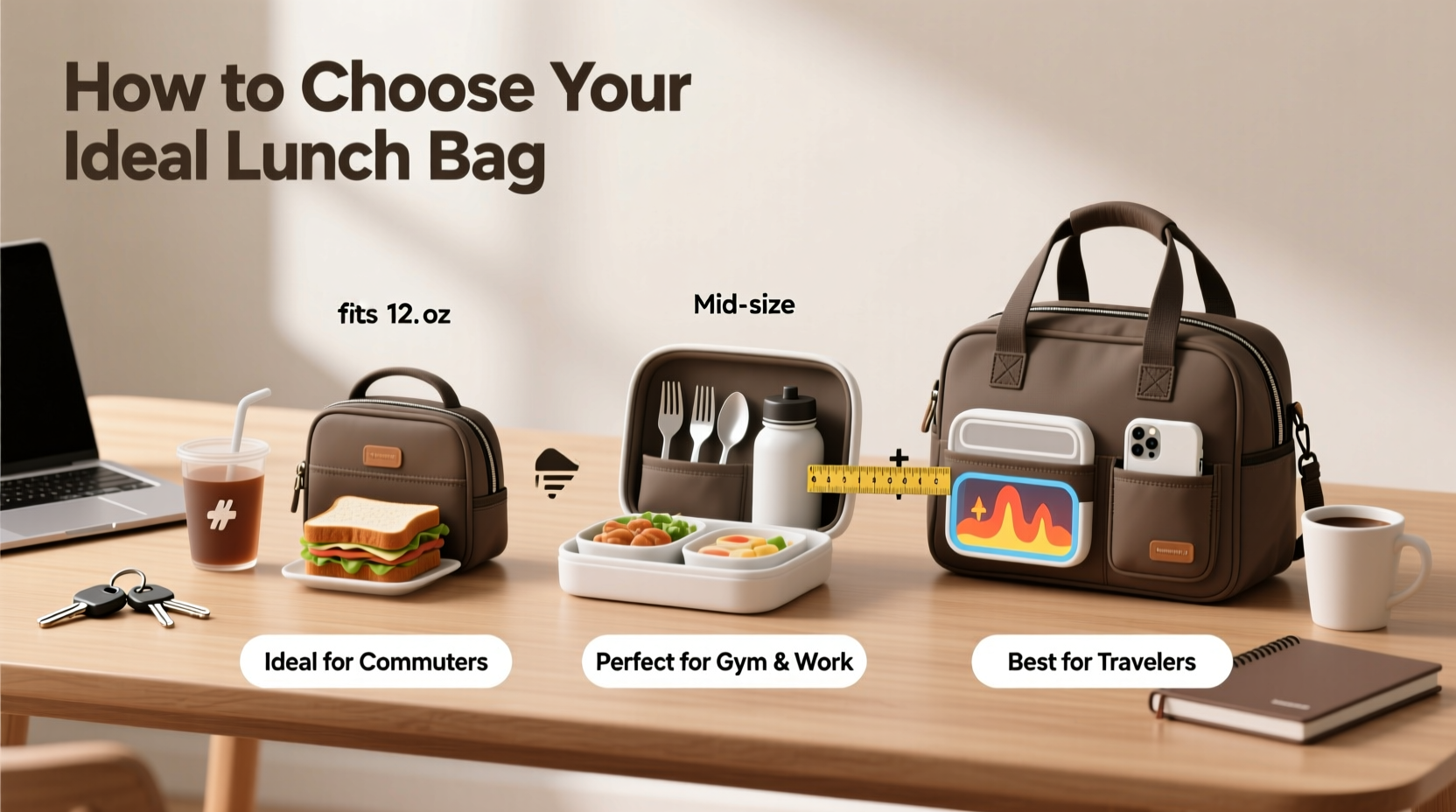
The first step in selecting the ideal lunch bag is understanding how you eat during the day. Are you preparing full meals with multiple containers? Do you rely on snacks and drinks more than solid food? Is refrigeration available at your destination?
For office workers with access to a fridge and microwave, a compact, sleek insulated tote may suffice. These typically hold one main container, a small side, and a drink. However, if you’re working outdoors or traveling long distances, you may need extended cold retention and room for extra layers like frozen gel packs or additional snacks.
Parents packing lunches for children often require larger volumes to accommodate variety—yogurt, fruit, crackers, juice boxes—while minimizing bulk for small backpacks. In contrast, minimalist eaters might prefer ultra-light foldable bags they can stash in a briefcase or glove compartment.
Size vs. Portability: Finding the Sweet Spot
Capacity matters, but so does carry comfort. A 15-liter bag might hold everything, but if it's awkward to sling over your shoulder on a crowded train, it defeats the purpose. The ideal lunch bag strikes a balance—roomy enough for essentials, compact enough to move with you effortlessly.
Consider these common size categories:
- Compact (3–6L): Best for light eaters, snacks, or single-container meals. Fits easily in purses or under airplane seats.
- Standard (7–10L): Holds a full meal, drink, and small side. Ideal for most office or school commutes.
- Expanded (11–14L): Suitable for outdoor workers, parents, or those needing multiple cold packs. May require a dedicated carrying strap.
Portability also depends on design features: padded handles, adjustable shoulder straps, fold-flat construction, or clip-on compatibility with backpacks. A lightweight nylon bag that folds into its own pocket offers unmatched convenience for occasional use, while structured models with rigid linings provide better shape retention and spill protection.
“People often overestimate how much they need to carry. Focus on what you *actually* eat, not what you *might* eat.” — Jordan Lee, Sustainable Lifestyle Consultant
Material and Insulation Performance
The material of your lunch bag affects weight, durability, cleaning ease, and thermal efficiency. Common options include neoprene, polyester, nylon, and canvas—each with trade-offs.
Neoprene offers excellent insulation and water resistance but tends to be heavier and less breathable. Polyester and nylon are lighter and easier to wipe clean, though they may not retain cold as effectively without added foil lining. Canvas looks stylish but usually lacks strong insulation unless lined.
Look for bags with heat-sealed seams and fully lined interiors to prevent leaks and maintain temperature. Double-layered walls with reflective foil barriers significantly improve cooling performance, keeping food safe below 40°F (4°C) for up to 4–6 hours—critical when refrigeration isn’t available.
| Material | Insulation Quality | Weight | Cleaning Ease |
|---|---|---|---|
| Neoprene | ★★★★☆ | Moderate | Wipe clean; air dry |
| Nylon (lined) | ★★★☆☆ | Light | Spot clean recommended |
| Polyester | ★★★☆☆ | Light | Machine washable (some) |
| Canvas | ★★☆☆☆ | Heavy | Difficult; prone to stains |
Real-World Example: Two Commuters, Two Choices
Sophie works in downtown marketing, biking 20 minutes to her office each morning. She packs a glass container with a grain bowl, a small apple, and a reusable water bottle. Her priority is minimalism and quick access. After testing several options, she chose a slim, 5-liter neoprene roll-top bag with a magnetic closure. It fits snugly in her bike basket, unrolls flat for easy loading, and folds into her coat pocket on days she eats out.
Meanwhile, Marcus is a field technician driving between job sites all day. He needs his lunch to stay cold for 7+ hours, often in high temperatures. He opted for a rugged 12-liter insulated backpack-style cooler with dual compartments—one for tools, one for food. It has reinforced stitching, a drain plug, and holds two large containers plus three frozen gel packs. While bulkier, it integrates with his work gear and ensures food safety throughout long shifts.
Their choices reflect different balances of size and portability based on real usage—not assumptions.
Step-by-Step Guide to Choosing Your Ideal Bag
- Inventory your typical lunch: Lay out all items you usually pack—containers, drinks, snacks, utensils—and measure their combined volume.
- Evaluate transport method: Will you carry it by hand, wear it on your back, or tuck it into another bag? Choose a form factor that complements your movement.
- Test insulation needs: If you lack fridge access or face long gaps between packing and eating, prioritize advanced thermal lining and plan for ice packs.
- Check cleaning requirements: Consider how often you’ll wash the bag. Machine-washable liners save time; wipe-clean surfaces suit quick maintenance.
- Try before you buy: If possible, visit a store to handle display models. Assess zipper quality, shoulder strap padding, and overall structure.
Frequently Asked Questions
Can I use a regular tote bag instead of an insulated one?
You can, but only for non-perishable foods like sandwiches, nuts, or dried fruit. Without insulation, perishables like dairy, meat, or cooked rice can enter the danger zone (above 40°F) within two hours, increasing foodborne illness risk.
How do I know if a lunch bag is too big?
If it forces you to hunch, swing awkwardly, or take up disproportionate space on public transit or at your desk, it’s likely oversized. Also, excess empty space reduces cold efficiency—cold air disperses more quickly in larger volumes.
Are foldable lunch bags durable enough for daily use?
Many are. High-quality foldable models made from ripstop nylon or laminated fabric withstand daily folding and washing. Look for reinforced stress points and waterproof linings to ensure longevity.
Final Checklist Before Buying
- ✅ Measures slightly larger than my usual containers
- ✅ Has comfortable carry options (strap/handle/grip)
- ✅ Features adequate insulation for my timeline
- ✅ Is easy to clean and maintain
- ✅ Fits naturally into my existing routine (commute, storage, etc.)
- ✅ Uses sustainable materials (if environmentally important to me)
Make the Right Choice Today
Your lunch bag shouldn't be an afterthought. It plays a crucial role in maintaining food safety, reducing waste, and supporting healthy eating habits. By carefully evaluating your actual needs—not marketing claims—you can find a bag that feels effortless to use every single day. Whether you value sleek design, maximum insulation, or ultimate portability, the ideal balance exists. Take the time to assess, test, and commit to a choice that serves your lifestyle reliably.




 浙公网安备
33010002000092号
浙公网安备
33010002000092号 浙B2-20120091-4
Comments
No comments yet. Why don't you start the discussion?