
Selecting a silver ring isn’t just about choosing something beautiful—it’s about finding a piece that harmonizes with your hand’s natural proportions and reflects your personality. Whether you're drawn to minimalist bands, statement cocktail rings, or vintage-inspired designs, the right ring can elevate your look and feel like an extension of who you are. Yet many people overlook how much hand shape influences what styles work best. Understanding this connection allows you to make more intentional choices, ensuring your jewelry enhances rather than overwhelms.
Understanding Hand Shape and Proportion
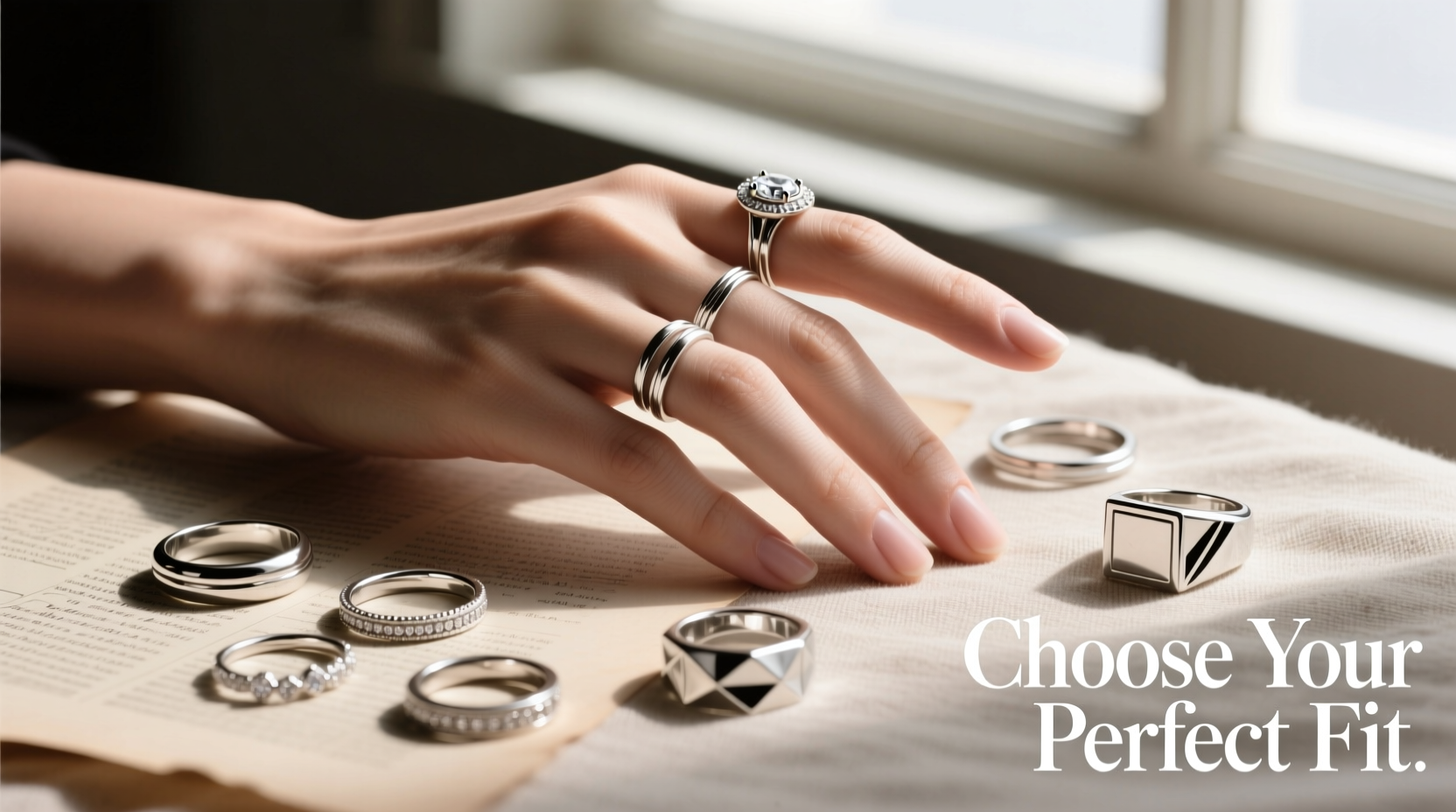
Just as clothing fits differently depending on body type, jewelry interacts uniquely with various hand shapes. There are four primary hand types: slender, short-fingered, wide-fingered, and tapered. Recognizing yours helps narrow down ring styles that create balance and elegance.
- Slender hands: Long fingers and narrow palms. These hands suit delicate bands, thin stacking rings, and intricate filigree designs.
- Short fingers: Compact digits relative to palm size. Wider bands or rings with vertical elements (like elongated stones) create the illusion of length.
- Wide-set fingers: Broader knuckles and finger bases. Bold, structured designs with geometric shapes or angular details offer visual harmony.
- Tapered fingers: Fingers that narrow gradually from base to tip. Oval or cushion-cut center stones in halo settings enhance symmetry.
Matching Ring Style to Your Personal Aesthetic
Your wardrobe, lifestyle, and self-expression guide should influence your choice of silver ring. Silver’s cool tone pairs well with modern, edgy, bohemian, or minimalist aesthetics, but its versatility means it can adapt to nearly any style when chosen thoughtfully.
For those favoring a minimalist approach, consider sleek solitaire bands or single-stone rings in polished sterling silver. These pieces exude quiet confidence without drawing excessive attention.
If your taste leans vintage or romantic, explore engraved bands, milgrain detailing, or Art Deco-inspired patterns. Oxidized silver adds depth and antique charm, especially when paired with small gem accents like cubic zirconia or moonstone.
Boho or free-spirited individuals may gravitate toward textured finishes, hammered metals, or nature-themed motifs such as leaves, feathers, or celestial symbols. Asymmetrical designs also resonate with this aesthetic.
Those embracing a bold, contemporary identity might prefer architectural forms, mixed-metal combinations, or chunky signet-style rings with personalized engravings.
“Jewelry is a silent language. The rings you wear communicate subtleties about your taste, values, and even mood.” — Lila Chen, Jewelry Stylist & Curator at Atelier Nuage
Choosing the Right Fit and Comfort Profile
A ring must not only look good but also feel right. Even the most stunning design becomes impractical if it pinches, spins, or catches on fabric. Consider these factors for long-term comfort:
- Band width: Narrow bands (1–3mm) are dainty and ideal for daily wear; wider bands (5mm+) make a statement but may require adjustment if worn constantly.
- Inner band shape: Opt for “comfort fit” interiors—slightly domed inside—for easier sliding and reduced friction during movement.
- Weight: Heavy rings can tire fingers over time. Lightweight silver alloys maintain durability while minimizing strain.
- Finger swelling: Fingers expand in heat and humidity. Ensure there's slight wiggle room unless opting for adjustable or open-back designs.
| Hand Type | Recommended Ring Styles | Styles to Approach Cautiously |
|---|---|---|
| Slender fingers | Thin bands, stacking rings, filigree details | Oversized cocktail rings (can overpower) |
| Short fingers | Vertical-set stones, high-shank rings, V-shaped designs | Very wide horizontal bands (shorten appearance) |
| Wide-set fingers | Bold geometrics, square settings, structured silhouettes | Overly delicate rings (may appear disproportionate) |
| Tapered fingers | Halo rings, oval center stones, contoured bands | Rings with sharp angles at the base |
Step-by-Step Guide to Selecting Your Ideal Silver Ring
Follow this practical sequence to ensure your selection aligns with both form and function:
- Assess your hand shape in natural light. Note finger length, width, and knuckle prominence.
- Determine your dominant style by reviewing your go-to outfits and accessories. Do you lean classic, modern, eclectic?
- Set a purpose: Is this ring for everyday wear, special occasions, or symbolic meaning (e.g., promise ring)?
- Try before you buy whenever possible. Visit stores or request samples if shopping online.
- Evaluate proportion: Hold potential rings against your hand. Does it balance visually?
- Test comfort: Wear it for at least 10 minutes. Check for pressure points or instability.
- Consider maintenance: High-polish silver shows scratches; matte finishes hide wear better.
Real-Life Example: Finding Balance Through Design
Sophie, a graphic designer with short, broad fingers, initially avoided rings altogether, feeling most looked “bulky” or awkward. After consulting a local jeweler, she discovered that vertical marquise-cut moissanite set in a rising gallery band created an optical elongation effect. Paired with a slim eternity band, the combination balanced her hand’s proportions and aligned with her modern-artistic style. She now wears them daily, reporting increased confidence and frequent compliments.
This case illustrates how understanding anatomy and intention leads to transformative results—not through changing the hand, but enhancing it.
Jewelry Care Checklist for Longevity
To keep your silver ring looking radiant, follow this essential care routine:
- Polish monthly with a microfiber cloth designed for silver.
- Store separately in anti-tarnish pouches or lined boxes.
- Avoid exposure to chlorine, perfume, and household cleaners.
- Remove during intense physical activity or sleep.
- Have prongs checked annually if the ring includes stones.
- Use a mild silver dip solution sparingly—overuse erodes texture.
Frequently Asked Questions
Can I wear silver if I have warm skin tones?
Absolutely. While silver complements cool undertones best, warm-toned individuals can balance it with mixed-metal layering or pairing silver with rose gold accents. Matte or oxidized silver also softens contrast and integrates seamlessly.
How do I know if a ring is too big or too small?
A properly fitting ring should slide over the knuckle with slight resistance and return to rest snugly at the base of the finger without tightness. If it slips off easily or causes indent marks, it’s ill-fitting.
Are all silver rings prone to tarnishing?
Most sterling silver (92.5% pure) will naturally tarnish due to sulfur exposure. However, proper storage and regular wear actually slow oxidation—skin oils help protect the surface. Rhodium-plated silver offers extra resistance but may require re-coating over time.
Final Thoughts
The ideal silver ring doesn’t exist in isolation—it emerges from the thoughtful intersection of anatomy, aesthetics, and authenticity. It should feel effortless when worn, catching the light—and attention—in just the right way. By considering your hand shape, lifestyle, and personal expression, you transform a simple accessory into a signature element of your presence.




 浙公网安备
33010002000092号
浙公网安备
33010002000092号 浙B2-20120091-4
Comments
No comments yet. Why don't you start the discussion?