
A keychain is more than a simple accessory—it's a daily tool that endures friction, impact, moisture, and constant handling. While many opt for aesthetics or novelty, those seeking longevity must prioritize durability. A poorly made metal keychain can break, corrode, or degrade within months, especially under frequent use. Choosing a truly durable model requires understanding material strength, build quality, and environmental resistance. This guide breaks down the essential factors that separate flimsy trinkets from heirloom-grade metal keychains built to last years—or even decades.
Choose the Right Metal: Material Matters Most
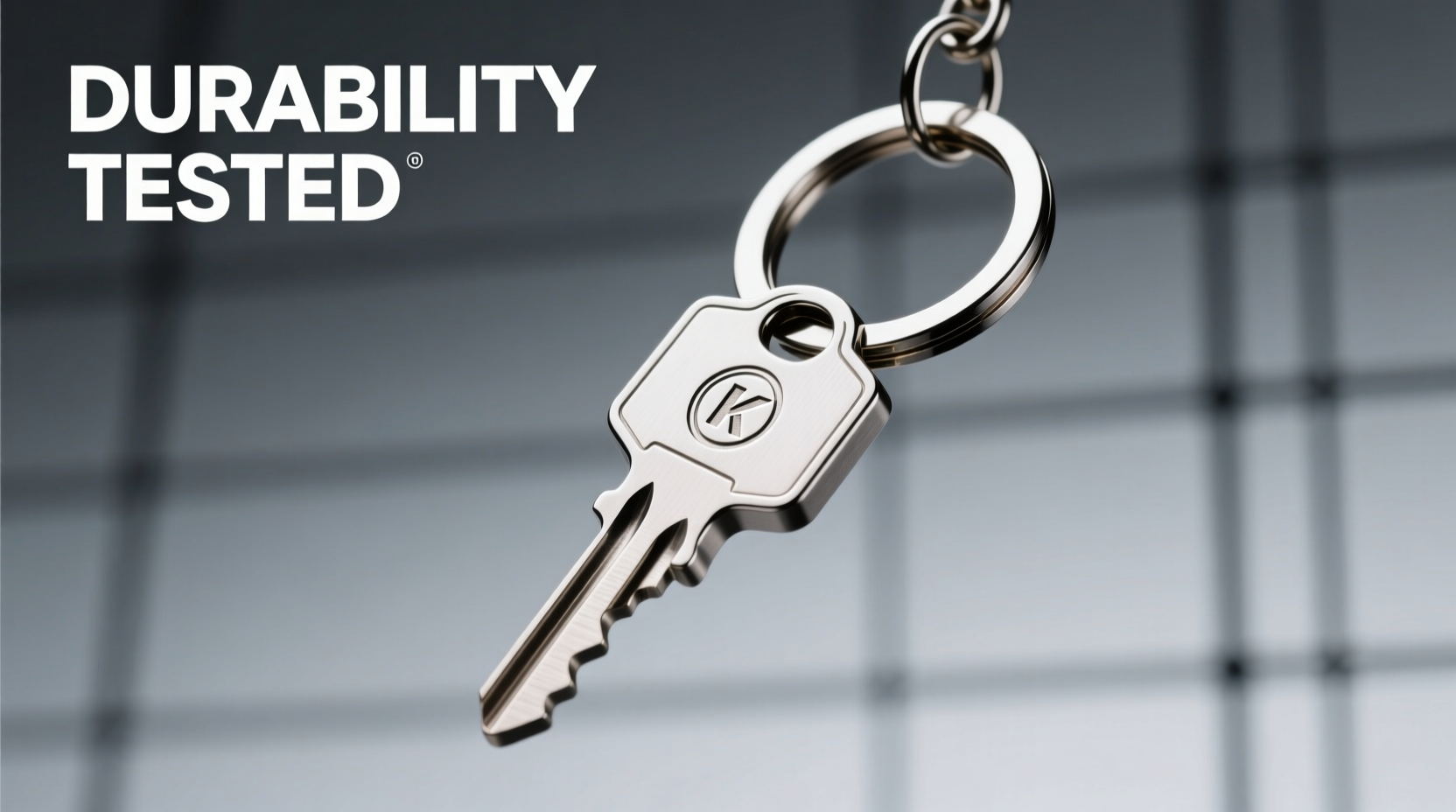
The foundation of any durable keychain is its base material. Not all metals perform equally under stress, exposure, or wear. Some are prone to corrosion; others may scratch easily or deform under pressure. The best choices combine tensile strength, resistance to oxidation, and weight efficiency.
- Stainless Steel: Widely regarded as the gold standard for durable keychains. Resistant to rust, scratches, and everyday wear. Grades like 304 and 316 offer excellent corrosion resistance, with 316 being marine-grade—ideal for coastal environments or sweaty hands.
- Titanium: Lightweight yet incredibly strong, titanium offers superior strength-to-weight ratio and exceptional resistance to saltwater and UV degradation. More expensive but worth it for active users.
- Brass: Naturally antimicrobial and visually appealing, brass develops a patina over time. While strong, it’s more susceptible to tarnishing unless plated (e.g., nickel or chrome).
- Aluminum: Lightweight and corrosion-resistant, but softer than steel or titanium. Best for decorative elements rather than load-bearing components.
- Avoid: Zinc alloys (often labeled “zamac”) and cheap pot metal. These are brittle, prone to cracking, and degrade rapidly when exposed to moisture.
Assess Construction Quality and Design Integrity
Beyond raw material, how a keychain is built determines its real-world resilience. Even high-grade metal fails if poorly manufactured.
Look for seamless welds or forged construction. Key rings should be fully closed, not spot-welded, which creates weak points. Split rings are common but often fail at the seam. Solid one-piece rings machined from bar stock are far more reliable.
Engraved or etched details are preferable to glued-on inserts, which can peel or chip. If the keychain includes moving parts—like bottle openers or folding tools—ensure tight tolerances and smooth operation without wobble.
| Feature | Durable Choice | Avoid |
|---|---|---|
| Key Ring Type | Solid forged ring or dual split ring | Thin, welded split rings |
| Joining Method | TIG welding, CNC machining, forging | Adhesives, snap-fits |
| Surface Finish | Bead-blasted, anodized, or powder-coated | Thin plating over base metal |
| Weight (indicator) | Substantial heft for size | Unusually light for metal |
“Durability isn’t just about hardness—it’s about how the entire system holds up under repeated stress. A weak link anywhere compromises the whole chain.” — Marcus Lin, Industrial Designer & Tool Engineer
Real-World Example: The Hiker’s Keychain Failure
Consider the case of Alex, an avid backpacker who relied on a compact multi-tool keychain during a week-long trek through the Pacific Northwest. The region’s damp climate and rugged trails put gear to the test. After just three days, the keychain’s zinc-alloy body cracked at the pivot point, rendering the tool useless. Worse, the broken piece snagged in his pack zipper, causing further damage.
In contrast, his companion used a titanium-reinforced stainless steel keychain with a one-piece design. Despite similar exposure to mud, rain, and drops onto rocky terrain, it remained intact and functional throughout the trip. The difference wasn’t price alone—it was informed material selection and structural integrity.
This scenario underscores a critical point: durability isn’t theoretical. It’s revealed only through consistent use under real conditions.
Step-by-Step Guide to Selecting a Long-Lasting Metal Keychain
Follow this practical sequence when shopping to ensure you’re investing in quality:
- Define your use case: Is it for daily carry, outdoor adventures, emergency backup, or sentimental value? High-impact use demands stronger materials.
- Check the material specification: Look for terms like “316 stainless steel,” “grade 5 titanium,” or “forged brass.” Avoid vague labels.
- Inspect the build: Zoom in on product images. Are seams visible? Are edges smooth and burr-free? Does the ring rotate freely without play?
- Test weight and feel: If purchasing in person, hold it. A quality metal keychain should feel dense, not hollow or flimsy.
- Research the brand: Reputable manufacturers often publish material certifications or stress-test data. Brands like Nite Ize, Maxpedition, and Ti Sport Machining have proven track records.
- Read user reviews: Focus on long-term feedback. Comments like “still going strong after two years” are more valuable than “looks cool.”
Essential Maintenance Tips to Extend Lifespan
Even the best keychain degrades without care. Regular maintenance prevents premature wear and preserves function.
- Clean monthly: Use warm water and mild soap. Dry thoroughly with a microfiber cloth. For stainless steel or titanium, isopropyl alcohol wipes remove grime and oils.
- Lubricate moving parts: Apply a drop of silicone-based lubricant to hinges or swivels every few months. Avoid petroleum-based oils that attract dust.
- Inspect for cracks: Check near weld points and stress zones. Early detection can prevent sudden failure.
- Store properly: Keep in a dry place. Humidity accelerates oxidation, especially in brass or lower-grade steels.
Frequently Asked Questions
Can a metal keychain be both lightweight and durable?
Yes. Titanium offers exceptional strength while weighing nearly half as much as steel. Some aerospace-grade aluminum alloys also balance lightness with resilience, though they’re less scratch-resistant.
Do engraved designs weaken a metal keychain?
Minimal engraving does not compromise structural integrity. However, deep cuts or large镂空 (cut-out) patterns can create stress concentration points. Opt for surface etching or shallow engraving on high-load areas.
Is a thicker keychain always better?
Not necessarily. Thickness helps, but poor metallurgy or weak joints will still lead to failure. A well-made 3mm stainless steel ring outperforms a thick but brittle zinc alloy version.
Durability Checklist Before Buying
Use this quick reference before making a purchase:
- ✅ Made from stainless steel, titanium, or solid brass
- ✅ No plastic or glued components
- ✅ Fully welded or forged construction
- ✅ Smooth finish with no rough edges or pitting
- ✅ Positive long-term user reviews
- ✅ Functional design without unnecessary weak points
- ✅ Brand provides material or durability information
Conclusion: Build a Keychain That Lasts a Lifetime
Selecting a durable metal keychain isn’t about paying more—it’s about choosing wisely. With the right combination of material, craftsmanship, and maintenance, a single keychain can serve reliably for decades. Whether it holds your house keys, serves as a daily EDC tool, or carries emotional significance, its longevity reflects your standards. Don’t settle for disposable accessories. Invest in quality, inspect the details, and treat your keychain as the essential tool it is.




 浙公网安备
33010002000092号
浙公网安备
33010002000092号 浙B2-20120091-4
Comments
No comments yet. Why don't you start the discussion?