
Gold stud earrings are timeless—elegant, versatile, and often treasured as heirlooms or meaningful gifts. But no matter how valuable or sentimental the pair, their worth means little if they slip off unnoticed. The secret to keeping your gold studs safe lies not just in the craftsmanship of the earring itself, but in the often-overlooked component: the earring back.
Choosing the right earring back is more than a matter of convenience—it’s about security, comfort, and long-term wearability. With so many styles available, from basic friction backs to locking mechanisms, selecting the best one can feel overwhelming. This guide breaks down everything you need to know to make an informed decision that protects your investment and keeps your studs securely in place.
Why Earring Backs Matter More Than You Think
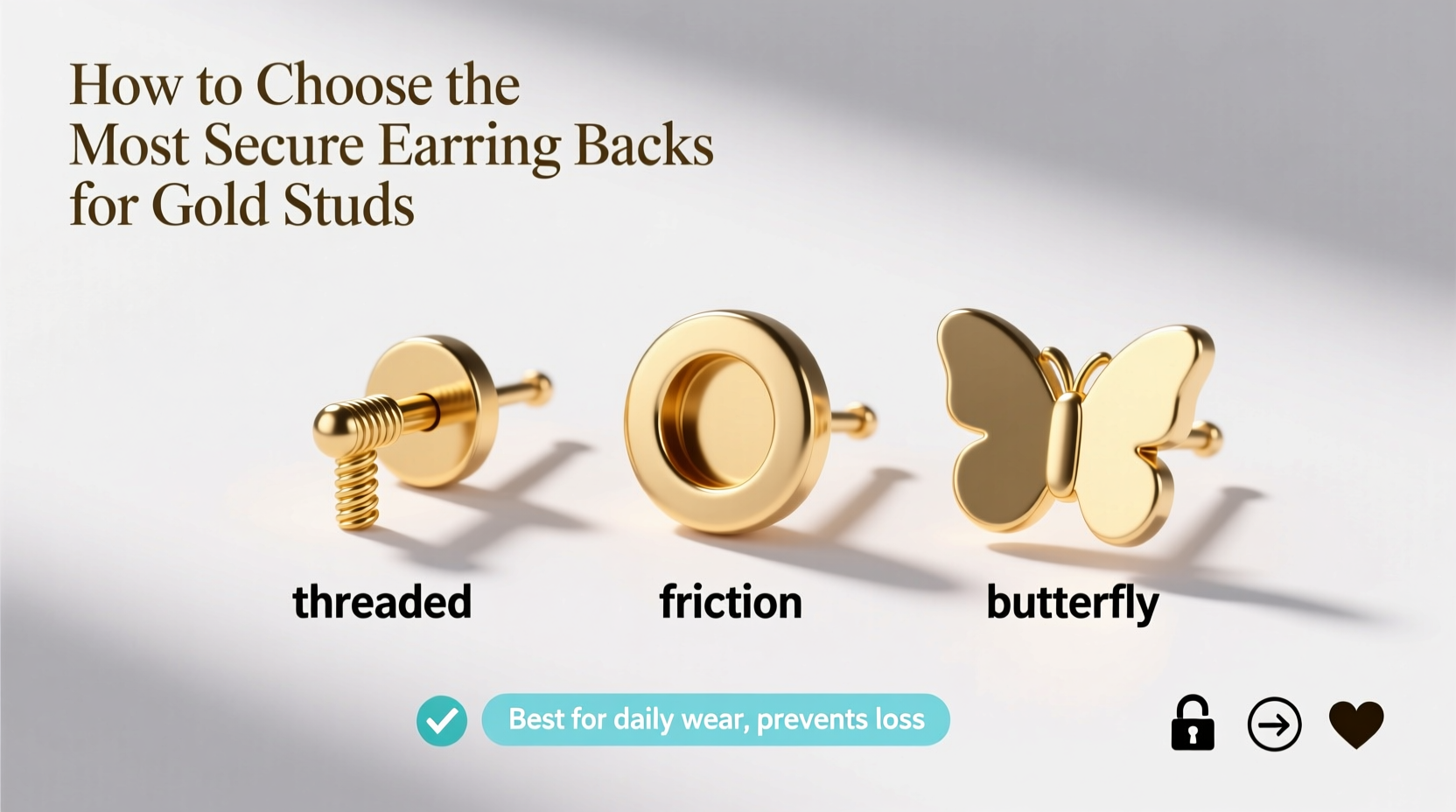
Many people assume all earring backs function the same way: hold the post in place behind the ear. In reality, performance varies dramatically based on design, material, and fit. A poorly chosen back can lead to lost earrings, irritated ears, or even injury from sharp posts poking through loose fittings.
Gold stud earrings, especially those with thin posts or lightweight designs, are particularly prone to slipping out. Because gold is relatively soft, repeated pressure from ill-fitting backs can also cause wear over time. Selecting the right back reduces stress on both the earring and the earlobe, extending the life of your jewelry.
“Most earring losses happen not because the earring falls out during activity, but because the back loosens gradually throughout the day without the wearer noticing.” — Lena Torres, Jewelry Security Consultant
Types of Earring Backs: Pros, Cons, and Best Uses
Not all earring backs are created equal. Each type offers different levels of security, ease of use, and comfort. Understanding these differences is key to making a smart choice.
| Type | Security Level | Comfort | Best For | Drawbacks |
|---|---|---|---|---|
| Friction (Butterfly) Backs | Low | Moderate | Casual wear, lightweight studs | Easily loosen; can pinch skin |
| Silicone Sleeves | Low-Moderate | High | Sensitive ears, kids | Wear out quickly; not lockable |
| Screw-On Backs | High | Moderate | Valuable or heavy studs | Slower to put on; may strip threads |
| Push-Back Locks (Lever) | Very High | High | Active lifestyles, frequent travelers | Higher cost; less common |
| Omega Backs (Hinged) | High | Moderate | Dressy wear, medium-weight studs | Bulkier; not ideal for small ears |
The table above highlights a critical point: security often comes at the expense of convenience. However, modern designs are increasingly balancing both. For example, push-back locks offer military-grade retention without sacrificing comfort, making them ideal for those who move frequently or sleep in earrings.
Step-by-Step Guide to Choosing the Right Back
Selecting the ideal earring back isn’t guesswork. Follow this five-step process to match your needs with the best option.
- Assess Your Lifestyle: Do you work out daily? Travel often? Sleep in earrings? High-motion activities demand higher-security backs like screw-ons or lever locks.
- Evaluate Earring Weight: Light studs (under 1g) can use silicone or butterfly backs. Anything heavier should use screw-on or omega backs.
- Consider Ear Sensitivity: If you’re prone to irritation, opt for hypoallergenic materials like surgical steel or titanium-coated backs, even if your earrings are gold.
- Test for Fit: Place the back on the post. It should slide smoothly but require firm pressure to close. If it feels too loose or too tight, it’s not the right match.
- Upgrade When Necessary: Don’t rely on the backs that came with your earrings. Many manufacturers include basic friction backs to cut costs. Invest in better ones separately.
Real Example: Preventing Loss During Travel
Sarah, a flight attendant, lost her grandmother’s gold diamond studs after a long-haul flight. She assumed they were stolen until she realized the butterfly backs had worked loose during turbulence. After consulting a jeweler, she switched to screw-on backs made of 14k gold to match her earrings. Over the next two years, she wore them on every flight—through layovers, naps, and sudden movements—without a single incident. “I didn’t realize how much difference the back made,” she said. “Now I never travel without them.”
Material Matters: What Your Back Is Made Of
While gold studs are typically made of 10k, 14k, or 18k gold, earring backs are rarely made entirely of gold due to cost and durability concerns. However, material choice affects both safety and longevity.
- Stainless Steel: Durable, hypoallergenic, and affordable. Ideal for everyday use.
- Titanium: Lightweight and highly resistant to corrosion. Excellent for sensitive skin.
- Sterling Silver: Cost-effective but tarnishes over time, especially with sweat exposure.
- Gold-Filled or Gold-Plated: Offers a gold-like appearance without the full cost. Ensure coating is thick to avoid chipping.
Avoid plastic or low-grade alloys, which degrade quickly and can cause allergic reactions. If you want a cohesive look, consider getting custom gold backs—but reserve them for special occasions due to maintenance needs.
Frequently Asked Questions
Can I use any earring back with my gold studs?
Most standard backs fit posts between 0.7mm and 1.0mm in diameter, which covers the majority of gold studs. However, vintage or custom pieces may have non-standard sizing. Always measure your post or consult a jeweler before purchasing replacements.
How do I keep my earring backs from falling off my dresser?
Use a magnetic tray or a small dish with a soft lining. Store backs attached to their earrings whenever possible. Consider investing in a travel case with individual compartments to prevent loss during transit.
Are locking earring backs worth the extra cost?
For valuable or sentimental pieces, absolutely. Locking backs can cost $10–$25 per pair, but they prevent losses that could cost hundreds—or be irreplaceable. Think of them as insurance for your jewelry.
Action Checklist: Secure Your Studs in 5 Steps
- ✔ Inventory your gold studs and note which backs they currently use
- ✔ Identify high-value or frequently worn pairs that need upgrading
- ✔ Measure earring post thickness or consult a jeweler for compatibility
- ✔ Choose appropriate back types based on lifestyle and sensitivity
- ✔ Purchase high-quality, secure backs from reputable jewelry suppliers
Final Thoughts: Small Detail, Big Impact
The earring back may be the smallest part of your jewelry, but its role is anything but minor. By choosing the right type, material, and fit, you significantly reduce the risk of losing precious gold studs—whether they’re a birthday gift, a milestone purchase, or a family heirloom.
Security doesn’t have to mean sacrificing style or comfort. Today’s market offers elegant, durable options that blend seamlessly with fine jewelry while providing peace of mind. Take a few minutes to evaluate your current setup. Chances are, a simple upgrade can make all the difference.




 浙公网安备
33010002000092号
浙公网安备
33010002000092号 浙B2-20120091-4
Comments
No comments yet. Why don't you start the discussion?