
A car tissue box may seem like a minor accessory, but its presence can significantly impact both comfort and cleanliness during your daily commute or long drives. Whether you're wiping away a spilled drink, clearing fogged glasses, or attending to a sneeze, having tissues within easy reach is essential. Yet most drivers overlook the importance of selecting the right tissue box—not just in terms of placement, but also design, material compatibility, and usability. The ideal car tissue box balances practicality with aesthetic harmony, fitting seamlessly into your vehicle’s interior while serving its purpose efficiently.
Assess Your Driving Needs and Usage Patterns
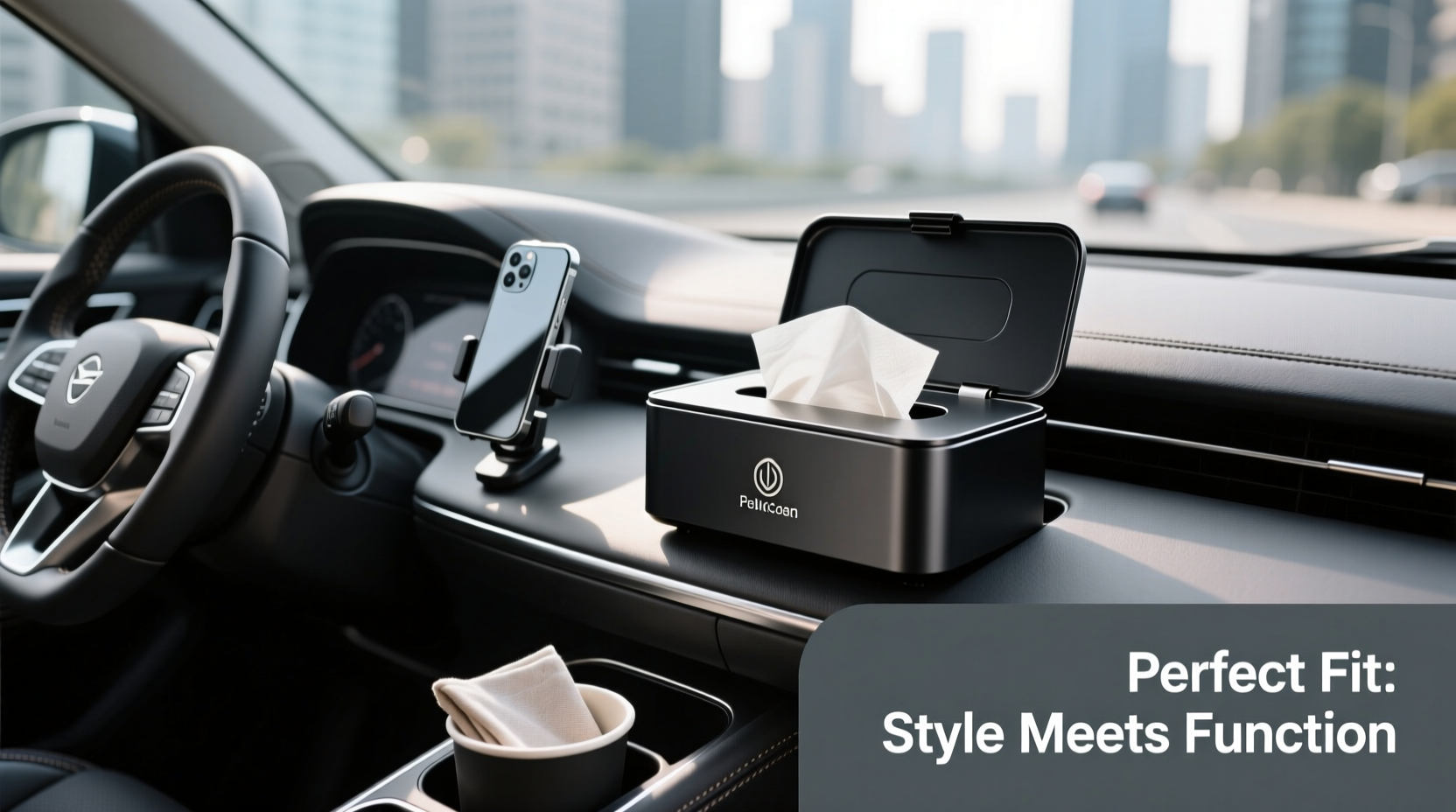
Before choosing a tissue box, consider how often and under what circumstances you use tissues in your car. Parents with young children may go through several boxes per week, while single commuters might only need one every few months. High usage calls for larger capacity or refillable models, whereas occasional users can opt for compact, decorative designs.
Think about environmental factors too. If you frequently drive in dusty areas or during allergy season, you’ll benefit from a sealed dispenser that keeps tissues clean and protected. Conversely, if you live in a humid climate, avoid materials that trap moisture, such as non-ventilated plastic enclosures, which can encourage mold growth.
Choose the Right Size and Capacity
Tissue boxes come in various sizes—mini, standard, jumbo, and travel-sized. While standard boxes (typically 5.5” x 3.5” x 2.5”) fit most cup holders and center consoles, oversized dispensers may block access to storage compartments or interfere with gear shifts.
For small cars or tight interiors, consider slimline or vertical dispensers that take up less dashboard space. Larger SUVs or family vehicles can accommodate bulkier models, especially those with dual compartments—one for tissues, another for wipes or gloves.
“Many drivers don’t realize that an oversized tissue box can become a distraction or even a safety hazard if it obstructs their view or rolls around during sudden stops.” — Marcus Lin, Automotive Interior Designer at DriveForm Labs
Material and Build Quality Matter
The material of the tissue box affects both durability and aesthetics. Common options include:
- Plastic: Lightweight and affordable, but can crack over time or look cheap.
- Silicone: Flexible, grippy, and heat-resistant—ideal for hot climates.
- Fabric-covered: Soft-touch finishes that match seat upholstery; often machine-washable.
- Leather or faux leather: Premium look and feel, resists spills and stains.
- Metal: Rare but durable; best suited for vintage or luxury vehicles.
Regardless of material, ensure the base has anti-slip features like rubber feet or silicone lining. This prevents the box from sliding during acceleration or braking—a small detail that enhances both safety and convenience.
Placement and Accessibility: Where Should It Go?
Even the most stylish tissue box fails if it’s hard to reach. Optimal locations include:
- Cup holder mount: Secure and stable; ideal for cylindrical or tapered boxes.
- Center console storage: Hidden yet accessible; good for minimalist setups.
- Dashboard tray: Visible and within arm’s reach, but avoid direct sunlight exposure.
- Hanging organizer: Attaches to headrests or seatbacks—great for families.
- Glove compartment: Out of sight, but may be forgotten when needed.
Test each location with your actual driving posture. Can you grab a tissue without taking your eyes off the road? Does the box stay upright when the car turns? These are critical usability checks.
| Placement Option | Pros | Cons |
|---|---|---|
| Cup Holder | Stable, always visible, easy access | Takes up drink space, may not fit all holders |
| Console Storage | Out of way, protects from dust | Less convenient, may require opening lid |
| Dash Tray | Quick access, decorative potential | Can slide, blocks vents, heats up in sun |
| Hanging Organizer | Great for backseat passengers, multi-use | May swing, looks cluttered |
Style That Matches Your Car’s Interior
Your car is an extension of your personal style. A well-chosen tissue box should complement, not clash with, the interior. Neutral tones like black, gray, beige, or navy blend easily with most dashboards. For a bolder statement, choose colors that echo your car’s stitching, seatbelts, or logo accents.
Some brands offer customizable covers or interchangeable panels. Others feature built-in themes—sports logos, nature prints, or holiday designs—perfect for seasonal flair. Just remember: overly flashy designs may attract unwanted attention or appear unprofessional in business settings.
Real Example: Sarah’s Family Commute Upgrade
Sarah, a mother of two in Austin, Texas, used to toss a plain cardboard tissue box onto her passenger seat. It constantly fell over, tissues scattered, and during summer, the box warped from heat. After researching better solutions, she switched to a silicone-mounted cup holder dispenser in charcoal gray. It stayed put, looked sleek next to her leather-trimmed console, and held a full-size pack. She added a second hanging organizer behind the driver’s seat for kids’ access. “It sounds small,” she says, “but not having to fish for tissues while stopping at red lights made my mornings calmer.”
Step-by-Step Guide to Selecting Your Ideal Car Tissue Box
Follow this five-step process to make a confident, informed choice:
- Evaluate your usage frequency: Daily? Weekly? With passengers?
- Measure available space: Test-fit potential boxes in your chosen location.
- Choose material based on climate: Silicone or metal in hot regions; breathable fabric in humid ones.
- Select a secure mounting style: Cup holder, adhesive pad, or hanging hook.
- Pick a color and finish: Coordinate with your car’s interior for a cohesive look.
“Functionality comes first, but never underestimate the psychological boost of a well-organized, aesthetically pleasing cabin.” — Dr. Lena Patel, Behavioral Researcher at AutoWellness Institute
Checklist: Before You Buy
- ✅ Measures correctly for your car’s storage area
- ✅ Has non-slip base or secure mounting mechanism
- ✅ Allows one-handed tissue extraction
- ✅ Made from easy-to-clean, durable material
- ✅ Fits standard tissue size or includes refills
- ✅ Matches your car’s color scheme and style
- ✅ Doesn’t obstruct air vents, controls, or visibility
Frequently Asked Questions
Can I use any tissue brand in my car dispenser?
Most dispensers are designed for standard U.S. tissue packs (approx. 6” x 3”), but some compact models require travel-sized boxes. Always check dimensions before purchasing. Also, avoid ultra-thick or quilted tissues if the dispenser has a narrow opening—they may jam.
How do I keep my car tissue box from drying out?
Exposure to heat and sunlight dries tissues quickly. Store the box away from direct sun, preferably in a shaded console or covered holder. For maximum freshness, choose a dispenser with a flip-top lid or silicone seal. Replace tissues every 2–3 months, even if not fully used.
Are there eco-friendly car tissue box options?
Yes. Look for dispensers made from recycled plastics, bamboo, or organic cotton. Pair them with biodegradable, chlorine-free tissues. Some reusable models allow you to insert refill packs, reducing paper waste from individual boxes.
Final Thoughts: Small Detail, Big Impact
The perfect car tissue box isn’t about luxury—it’s about thoughtful design meeting everyday needs. It reflects a driver who values preparedness, comfort, and attention to detail. By considering size, material, placement, and style, you transform a mundane item into a functional accent that enhances your driving experience.




 浙公网安备
33010002000092号
浙公网安备
33010002000092号 浙B2-20120091-4
Comments
No comments yet. Why don't you start the discussion?