
A ceramic mug is more than a vessel—it’s a daily companion. Whether you're sipping espresso at dawn or unwinding with herbal tea in the evening, the material of your mug plays a quiet but powerful role in both its longevity and the authenticity of your drink’s taste. Not all ceramics are created equal. Some absorb odors, others chip easily, and a few can subtly alter the flavor profile of what you pour into them. Understanding the nuances of ceramic composition, glazing techniques, and firing processes empowers you to make an informed choice that balances resilience with sensory integrity.
The Role of Ceramic Composition in Mug Performance
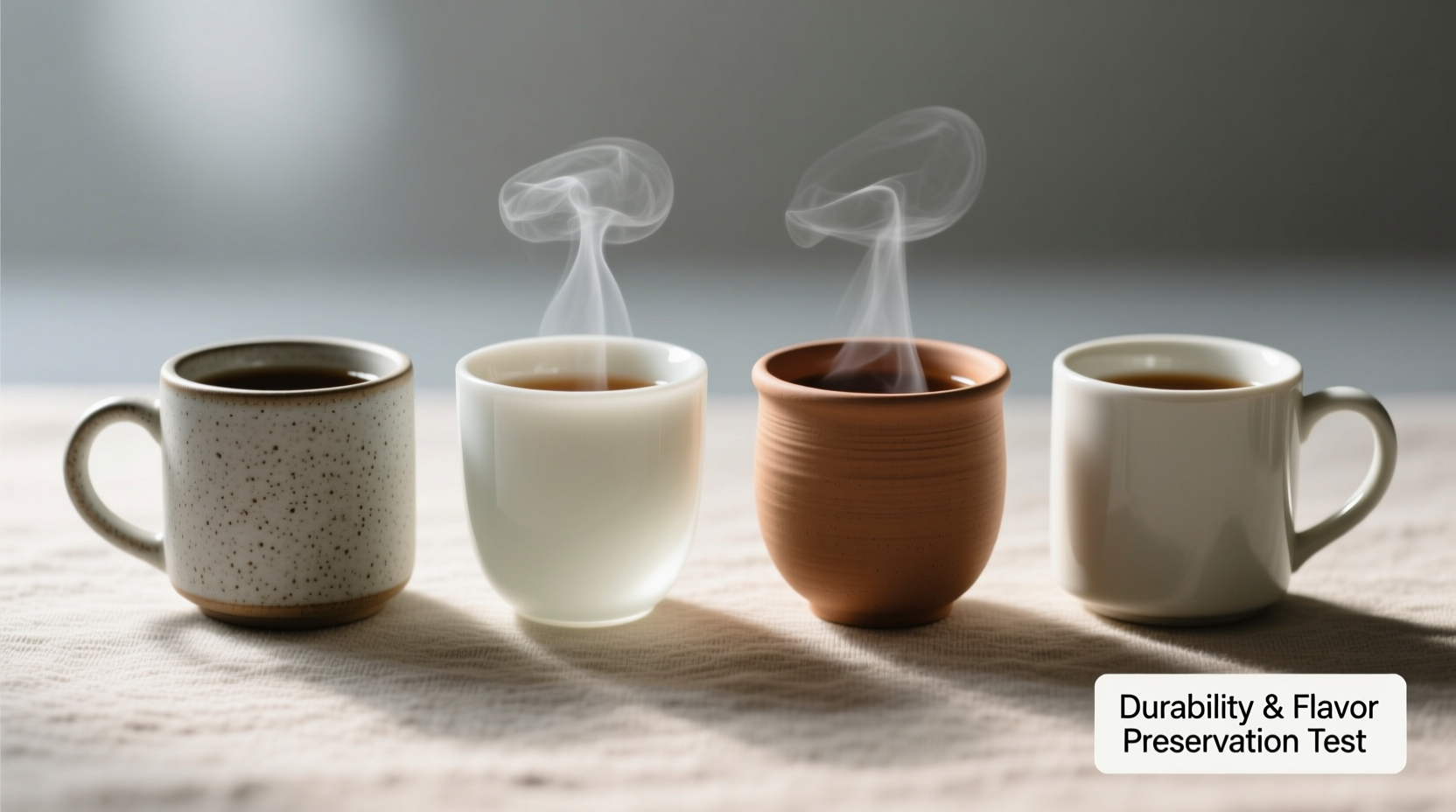
Ceramic mugs are typically made from one of three primary clay bodies: earthenware, stoneware, or porcelain. Each has distinct characteristics affecting durability, thermal stability, and interaction with beverages.
Earthenware is the most porous of the three, fired at lower temperatures (around 1,000–1,150°C). While often colorful and decorative, it’s less durable and more prone to chipping and liquid absorption unless heavily glazed. This porosity can lead to staining and flavor retention over time—especially with coffee or red wine.
Stoneware, fired between 1,200–1,300°C, is denser and non-porous when properly vitrified. It resists chipping better than earthenware and is dishwasher- and microwave-safe in most cases. Its neutral surface doesn’t interfere with taste, making it a top choice for everyday use.
Porcelain, crafted from kaolin clay and fired above 1,300°C, offers the highest refinement. It’s lightweight, smooth, and highly resistant to thermal shock. Porcelain is naturally non-porous and chemically inert, meaning it won’t leach substances or absorb flavors—ideal for preserving the subtle notes of specialty teas or single-origin coffees.
Glaze Quality: The Invisible Guardian of Flavor and Longevity
The glaze isn’t just about shine—it’s a functional barrier. A well-applied, food-safe glaze seals the ceramic body, preventing liquid penetration and microbial growth. Poorly formulated or cracked glazes can harbor bacteria and allow contaminants to seep into the clay, compromising both hygiene and taste.
Lead and cadmium were once common in ceramic glazes, especially in brightly colored designs. While banned in most reputable markets today, imported or artisanal pieces may still carry risks. Always ensure the mug is labeled “lead-free” and “food-safe.” Look for certifications such as FDA compliance or California Proposition 65 compliance for added assurance.
Glossy finishes are easier to clean than matte ones, which can trap residues in microscopic pores. However, high-quality matte glazes from trusted manufacturers offer both aesthetic appeal and functionality. Avoid mugs with visible cracks, crazing (fine web-like cracks in the glaze), or rough textures—these are signs of inferior firing or aging that compromise performance.
Comparing Ceramic Types: A Practical Guide
| Material | Durability | Flavor Neutrality | Thermal Shock Resistance | Best For |
|---|---|---|---|---|
| Earthenware | Low | Moderate (if fully glazed) | Poor | Decorative or occasional use |
| Stoneware | High | High | Good | Daily coffee/tea drinkers |
| Porcelain | Very High | Excellent | Excellent | Specialty beverages, long-term use |
Step-by-Step: How to Evaluate a Ceramic Mug Before Purchase
- Inspect the finish: Run your finger along the interior. It should feel completely smooth, with no pitting or roughness indicating poor glaze application.
- Check for certification labels: Look for “lead-free,” “cadmium-free,” and “microwave-safe” markings, preferably backed by recognized standards.
- Assess weight and thickness: A heavier mug often indicates denser ceramic, though excessive thickness may affect heat retention and balance.
- Evaluate the rim: The lip should be evenly glazed and rounded for comfort. Sharp or uneven edges suggest rushed craftsmanship.
- Tap test (if possible): Gently tap the mug with a fingernail. A clear, ringing sound suggests proper vitrification; a dull thud may indicate micro-cracks or porosity.
- Review manufacturer reputation: Brands with transparent sourcing and consistent quality control are more likely to deliver reliable products.
Real-World Example: The Café Owner’s Choice
When Maya Patel opened her specialty coffee shop in Portland, she tested over 20 mug types before settling on high-fired stoneware from a local ceramics studio. “We serve light-roast African beans with delicate floral notes,” she explains. “Some porcelain mugs muted the brightness, while cheap glazed earthenware left a chalky aftertaste after a few weeks.” Her final choice featured a glossy, non-reactive interior glaze and a balanced handle design. Two years later, 90% of the original mugs remain in rotation—proof that material selection directly impacts both customer experience and operational cost.
“Flavor starts the moment the liquid touches the container. A reactive or porous surface is like serving wine in a metal cup—it changes everything.” — Dr. Lena Torres, Materials Scientist & Beverage Consultant
Common Pitfalls to Avoid
- Choosing aesthetics over function: Bright colors and intricate designs may hide low-quality glazes or thin walls prone to cracking.
- Ignoring thermal expansion rates: Mismatched clay and glaze expansion coefficients cause crazing, creating breeding grounds for mold and off-flavors.
- Using abrasive cleaners: Steel wool or harsh scrubbing damages glazes over time, increasing porosity and reducing lifespan.
- Assuming ‘handmade’ means better: Artisan mugs vary widely in quality. Ask about firing temperature and glaze composition before buying.
FAQ: Your Ceramic Mug Questions Answered
Can ceramic mugs affect the taste of coffee?
Yes—especially if the mug is porous or has a reactive glaze. Low-fired earthenware or improperly sealed ceramics can absorb oils and residues, leading to stale or altered flavors over time. High-fired stoneware and porcelain are inert and preserve the original taste profile.
Are handmade mugs safe for daily use?
They can be, but only if fired to maturity and glazed with food-safe materials. Ask the maker about firing temperature and whether the glaze has been tested for leaching. Reputable artisans provide this information openly.
How long should a good ceramic mug last?
With proper care, a high-quality stoneware or porcelain mug can last 5–10 years or more. Factors like frequency of use, cleaning methods, and exposure to thermal shock influence lifespan. Chipping is the most common failure point—not material degradation.
Final Checklist: Selecting Your Ideal Mug
- ✅ Material Type:
- Choose stoneware or porcelain for durability and flavor neutrality.
- ✅ Glaze Safety:
- Verify lead- and cadmium-free certification.
- ✅ Surface Finish:
- Smooth, non-crazed interior with full coverage.
- ✅ Weight & Balance:
- Comfortable to hold, neither too heavy nor flimsy.
- ✅ Manufacturer Transparency:
- Clear details on firing process and materials used.
- ✅ Care Instructions:
- Follow recommended washing and heating guidelines to extend life.
Make Every Sip Better
The perfect ceramic mug doesn’t shout its value—it reveals it slowly, through years of reliable service and unaltered flavor. By prioritizing material science over marketing, you invest in a tool that honors your beverage rather than interfering with it. Whether you’re upgrading your kitchen collection or sourcing for a café, let density, safety, and neutrality guide your decision. The right mug won’t just survive daily use—it will enhance it.




 浙公网安备
33010002000092号
浙公网安备
33010002000092号 浙B2-20120091-4
Comments
No comments yet. Why don't you start the discussion?