
Navigating city streets, hopping on public transit, attending back-to-back meetings—modern professional women need a companion that keeps pace without sacrificing elegance. The right commuter bag does more than carry your laptop and documents; it reflects your professionalism, supports your routine, and withstands daily wear. Yet with countless styles, materials, and features flooding the market, choosing the ideal one can feel overwhelming. This guide cuts through the noise, offering practical, real-world advice to help business women find a commuter bag that blends sophistication with smart functionality.
Assess Your Daily Needs First
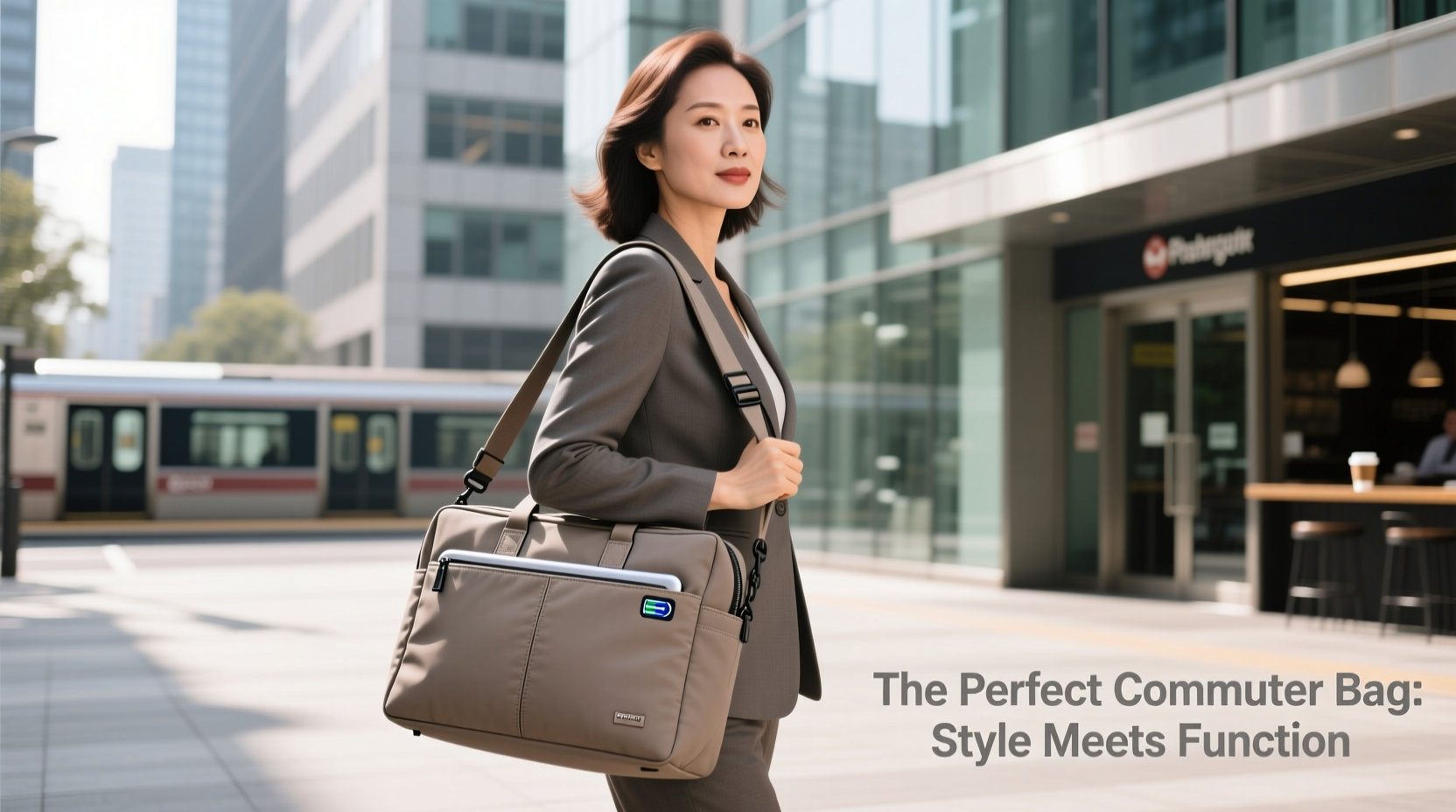
Before considering color or brand, start by mapping out what you actually carry each day. A bag that’s too small forces uncomfortable compromises; one that’s too large becomes burdensome. Take inventory of your essentials: laptop (and its size), tablet, notebook, pens, phone, wallet, makeup pouch, water bottle, and perhaps gym clothes or a change of shoes. Note how often you commute and whether you walk long distances, use stairs, or transfer between transport modes.
Understanding your load helps determine the ideal size and structure. For example, a 15-inch laptop requires a dedicated padded compartment. If you frequently present in meetings, quick-access pockets for USB drives or business cards become essential. Women who travel between office branches may benefit from trolley sleeve compatibility.
Balance Style and Professionalism
A commuter bag is an extension of your work persona. It should complement your wardrobe while projecting confidence and attention to detail. Neutral tones like black, navy, taupe, or deep burgundy are timeless and pair easily with both formal suits and casual Fridays. That said, subtle texture—like pebbled leather or woven fabric—adds depth without drawing undue attention.
Avoid overly trendy designs that may feel outdated in a year. Instead, opt for classic silhouettes: structured totes, satchels with clean lines, or minimalist backpacks with refined finishes. Metallic hardware should be minimal and cohesive—gold or silver depending on your jewelry preference.
“Professional bags don’t shout—they whisper quality. Look for understated elegance over logo-heavy branding.” — Lila Chen, Corporate Stylist & Wardrobe Consultant
Functionality Features That Matter
The best-looking bag fails if it doesn’t serve its purpose. Prioritize features that enhance usability and protect your belongings:
- Padded laptop compartment: Must fit your device snugly and be lined with soft material to prevent scratches.
- Multiple interior pockets: Separate spaces for phone, keys, and documents reduce clutter and save time.
- Secure closures: Zippers or magnetic snaps prevent accidental openings during transit.
- Water-resistant exterior: Essential for rainy commutes or spills on crowded trains.
- Comfortable straps: Padded shoulder straps or ergonomic backpack design reduce strain on longer walks.
- External access pocket: Ideal for transit cards, tissues, or hand sanitizer.
Consider closure placement. Top zippers offer full security but slower access. Front flap designs allow quicker reach but may expose contents if not secured properly.
Material Comparison: Pros and Cons
| Material | Pros | Cons |
|---|---|---|
| Full-grain leather | Durable, ages beautifully, professional appearance | Heavy, higher cost, requires maintenance |
| Ballistic nylon | Lightweight, water-resistant, scratch-proof | Less formal, may look sporty |
| Cotton canvas | Breathable, eco-friendly options available | Stains easily, less structure |
| Synthetic vegan leather | Affordable, cruelty-free, consistent finish | Prone to cracking, less breathable |
Real-World Case: Priya’s Commute Upgrade
Priya, a marketing manager in Chicago, spent two years lugging a sleek but flimsy tote that lacked padding and organization. Her 45-minute subway ride often left her laptop scuffed and her keys buried beneath papers. After a particularly stressful morning where she missed a call because she couldn’t find her earbuds, she decided to reassess.
She listed her non-negotiables: space for a 13-inch MacBook, side pocket for her water bottle, RFID-safe card slot, and lightweight construction. She tested several models at a specialty retailer, loading them with her daily items. Ultimately, she chose a hybrid backpack-tote in water-resistant nylon with convertible straps. The new bag reduced shoulder strain, kept her tech protected, and looked polished in client meetings. “It’s not just a bag,” she says. “It’s a productivity tool.”
Step-by-Step Guide to Choosing Your Bag
- Inventory your essentials: List everything you carry daily, including electronics and personal items.
- Determine preferred carrying style: Shoulder, crossbody, backpack, or tote? Consider comfort and posture.
- Select size based on load: Allow extra space for occasional items like jackets or files.
- Choose durable, weather-appropriate material: Prioritize protection over pure aesthetics.
- Test accessibility and security: Can you open it one-handed? Are valuables shielded?
- Try before you buy: Visit a store if possible. Load it up and walk around.
- Check return policy: Even well-researched choices can fall short in real use.
Frequently Asked Questions
Can a backpack still look professional for business settings?
Absolutely. Modern professional backpacks come in sleek designs using premium materials like textured leather or matte nylon. Look for structured shapes, minimal branding, and neutral colors. Avoid sporty elements like mesh panels or bright accents.
How do I clean and maintain my commuter bag?
Care depends on the material. Wipe leather with a damp cloth and use conditioner quarterly. Nylon and synthetic fabrics can be cleaned with mild soap and water. Always air dry away from direct heat. Store with stuffing to retain shape when not in use.
Is it worth investing in a high-end bag?
If you’re commuting five days a week, a $300 bag lasting three years costs less per use than replacing cheaper bags annually. High-end options often feature better craftsmanship, warranties, and timeless design—making them more sustainable and economical long-term.
Essential Checklist Before Purchase
- ✅ Fits your laptop securely (with padding)
- ✅ Has dedicated compartments for phone, wallet, and keys
- ✅ Features comfortable, adjustable straps
- ✅ Made from durable, easy-to-clean material
- ✅ Includes a secure main closure (zipper or snap)
- ✅ Offers external access for transit pass or umbrella
- ✅ Matches your professional wardrobe
- ✅ Lightweight when empty (under 3 lbs recommended)
Final Thoughts: Invest in Confidence
Your commuter bag isn’t just luggage—it’s part of your daily toolkit. The right choice reduces stress, enhances efficiency, and quietly communicates your standards. When style and function align, you move through your day with greater ease and assurance. Don’t settle for compromise. Use these insights to make a deliberate, informed decision that supports both your career and your comfort.




 浙公网安备
33010002000092号
浙公网安备
33010002000092号 浙B2-20120091-4
Comments
No comments yet. Why don't you start the discussion?