
Navigating a daily commute—whether by subway, bus, bike, or foot—requires gear that supports efficiency, safety, and comfort. One of the most overlooked yet essential tools is the crossbody bag. Unlike bulky backpacks or easily snatched totes, a well-chosen crossbody distributes weight evenly, keeps essentials secure, and moves seamlessly from sidewalk to office. But not all crossbody bags are built for the rigors of urban transit. The ideal choice balances function, durability, and subtle style without sacrificing accessibility.
Selecting the right one isn’t just about aesthetics; it’s about understanding your routine, prioritizing smart design features, and anticipating real-world challenges like crowded trains, sudden weather changes, and long walks between stations. This guide breaks down the critical factors that define a truly commuter-friendly crossbody bag, so you can make a confident, informed decision.
Key Features of a Commuter-Friendly Crossbody Bag
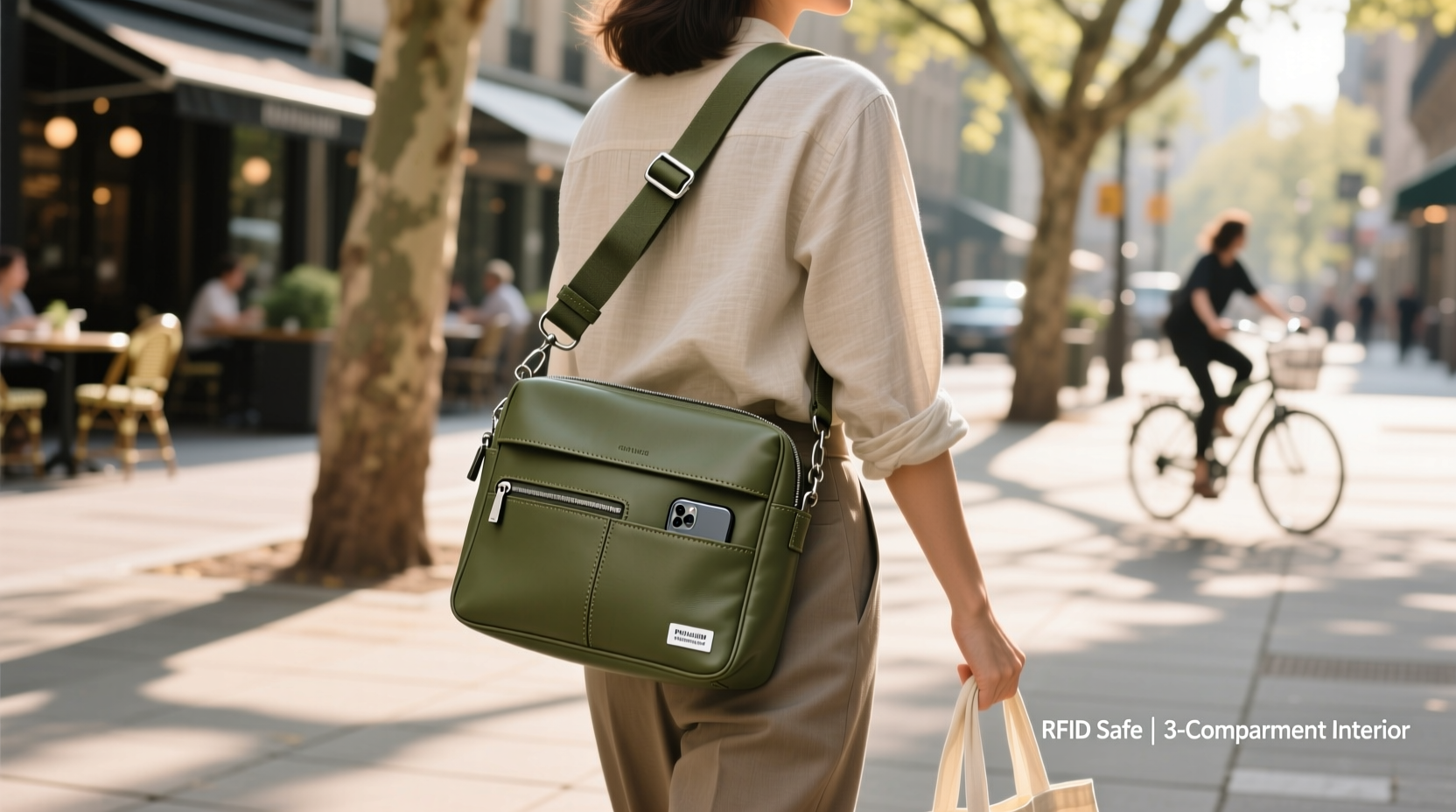
A great crossbody bag for commuting must meet specific functional demands. It should protect your belongings, minimize physical strain, and adapt to dynamic environments. Below are the core attributes to evaluate:
- Ergonomic strap design: A wide, padded, and adjustable strap prevents shoulder strain during extended wear.
- Secure closures: Zippered tops or magnetic snaps reduce the risk of pickpocketing and accidental drops.
- Theft-resistant elements: Hidden zippers, slash-proof materials, and RFID-blocking pockets add layers of protection in crowded spaces.
- Weather resistance: Water-repellent fabrics or included rain covers ensure your electronics and documents stay dry.
- Organization: Dedicated compartments for phones, wallets, keys, and transit cards streamline access and prevent frantic searching.
Material Matters: Balancing Durability and Weight
The material of your crossbody bag affects longevity, maintenance, and comfort. While leather exudes sophistication, it may absorb moisture and require regular conditioning. Synthetic options like ballistic nylon or recycled polyester offer lightweight resilience and are often easier to clean.
| Material | Pros | Cons |
|---|---|---|
| Full-Grain Leather | Durable, ages beautifully, professional appearance | Heavy when wet, expensive, requires upkeep |
| Ballistic Nylon | Lightweight, abrasion-resistant, water-repellent | Less formal, may show scuffs |
| Recycled Polyester | Eco-friendly, affordable, easy to wipe clean | May degrade faster under UV exposure |
| Cordura Fabric | Extremely tough, used in tactical gear | Can feel rugged or overly utilitarian |
For commuters who walk long distances or cycle, lighter materials reduce fatigue. However, those in rainy climates might prioritize water resistance over minimal weight. Consider your local conditions and daily load when making your selection.
“A commuter bag isn’t just a fashion statement—it’s a tool for urban survival. Prioritize function first, then refine for style.” — Marcus Lin, Urban Mobility Designer
Step-by-Step Guide to Choosing Your Ideal Crossbody
Selecting the right bag doesn’t have to be overwhelming. Follow this logical process to narrow down your options efficiently:
- Assess your daily essentials: List everything you carry—phone, wallet, keys, laptop, notebook, umbrella, etc.—and measure their combined volume.
- Determine size needs: Choose a bag that fits your items snugly but allows room for expansion (e.g., a light jacket or grocery item).
- Test wearing comfort: If shopping in person, wear the bag for at least five minutes. Check for pressure points and balance.
- Evaluate closure security: Ensure zippers glide smoothly and remain closed when jostled. Look for lockable zipper pulls if traveling frequently.
- Check interior layout: Verify there are designated slots for high-use items to avoid digging while on the move.
- Confirm external access: Side pockets for transit cards or quick-grab items save time during rush hours.
- Review warranty and brand reputation: Reputable brands often back their products with repair policies or lifetime guarantees.
Real-Life Scenario: From Frustration to Functionality
Sophia, a marketing associate in Chicago, used to carry a stylish but flimsy canvas crossbody. During winter, snow soaked through the fabric, damaging her tablet. On packed L trains, the thin strap dug into her shoulder, and the single snap closure made her vulnerable to theft attempts. After researching commuter-specific designs, she switched to a 14-liter crossbody made of water-resistant Cordura with an anti-slash strap and RFID-safe pocket. The wider strap eliminated discomfort, and dedicated tablet sleeve kept her device protected. Within weeks, her morning routine became smoother, and she felt more confident navigating rush hour.
Her experience underscores a key truth: small design details have outsized impacts on daily usability.
Essential Checklist Before You Buy
Before finalizing your purchase, run through this checklist to ensure your crossbody meets commuter standards:
- ✅ Adjustable, padded shoulder strap
- ✅ Main compartment with secure zippered closure
- ✅ Interior organization (zipper pocket, slip pockets, key leash)
- ✅ Exterior access for transit card or phone
- ✅ Water-resistant or treated fabric
- ✅ Anti-theft features (hidden zippers, slash-proof strap, lockable pulls)
- ✅ Comfortable weight when fully loaded (ideally under 1.5 lbs empty)
- ✅ Size appropriate for daily carry (typically 10–16 liters)
- ✅ Neutral color or professional finish suitable for work settings
- ✅ Manufacturer offers repair or replacement policy
Frequently Asked Questions
Can I carry a small laptop in a crossbody bag?
Yes, many modern crossbody bags include padded sleeves designed for laptops up to 13 inches. Look for models specifically labeled as “tech-ready” or “laptop-compatible.” Ensure the bag maintains balance when carrying heavier devices to avoid strain.
Are crossbody bags safe in crowded cities?
They can be—if designed with security in mind. Front-facing wear (across the chest) increases visibility and deters thieves. Opt for bags with locking zippers, cut-resistant straps, and internal RFID shielding to maximize protection in high-density areas.
How do I clean and maintain my commuter crossbody?
Cleaning depends on the material. For synthetic fabrics, wipe with a damp cloth and mild soap. Leather requires specialized conditioners to prevent cracking. Always remove contents before cleaning and air-dry away from direct heat. Regular maintenance extends the life of any bag significantly.
Final Thoughts: Make Your Commute Work for You
Your crossbody bag should enhance—not hinder—your daily journey. The perfect choice blends thoughtful engineering with practical elegance, turning what could be a chore into a seamless part of your routine. By focusing on ergonomics, security, and adaptability, you invest in more than just an accessory—you gain peace of mind, physical comfort, and greater control over your day.
Don’t settle for a bag that looks good in photos but fails on the platform. Test, compare, and prioritize features that align with your actual lifestyle. When you find the right match, you’ll wonder how you ever commuted without it.




 浙公网安备
33010002000092号
浙公网安备
33010002000092号 浙B2-20120091-4
Comments
No comments yet. Why don't you start the discussion?