
A man’s wallet is more than a functional accessory—it’s a silent statement of taste, discipline, and personal identity. In an age where digital payments are rising, the physical wallet remains a daily essential for cards, cash, and ID. Choosing the right designer wallet isn’t just about brand prestige; it’s about balancing craftsmanship, utility, and aesthetics in a way that complements your lifestyle. With so many options—from minimalist bi-folds to luxury trifold leather pieces—making the right choice requires attention to detail and intentionality.
Material Matters: What Your Wallet Is Made Of
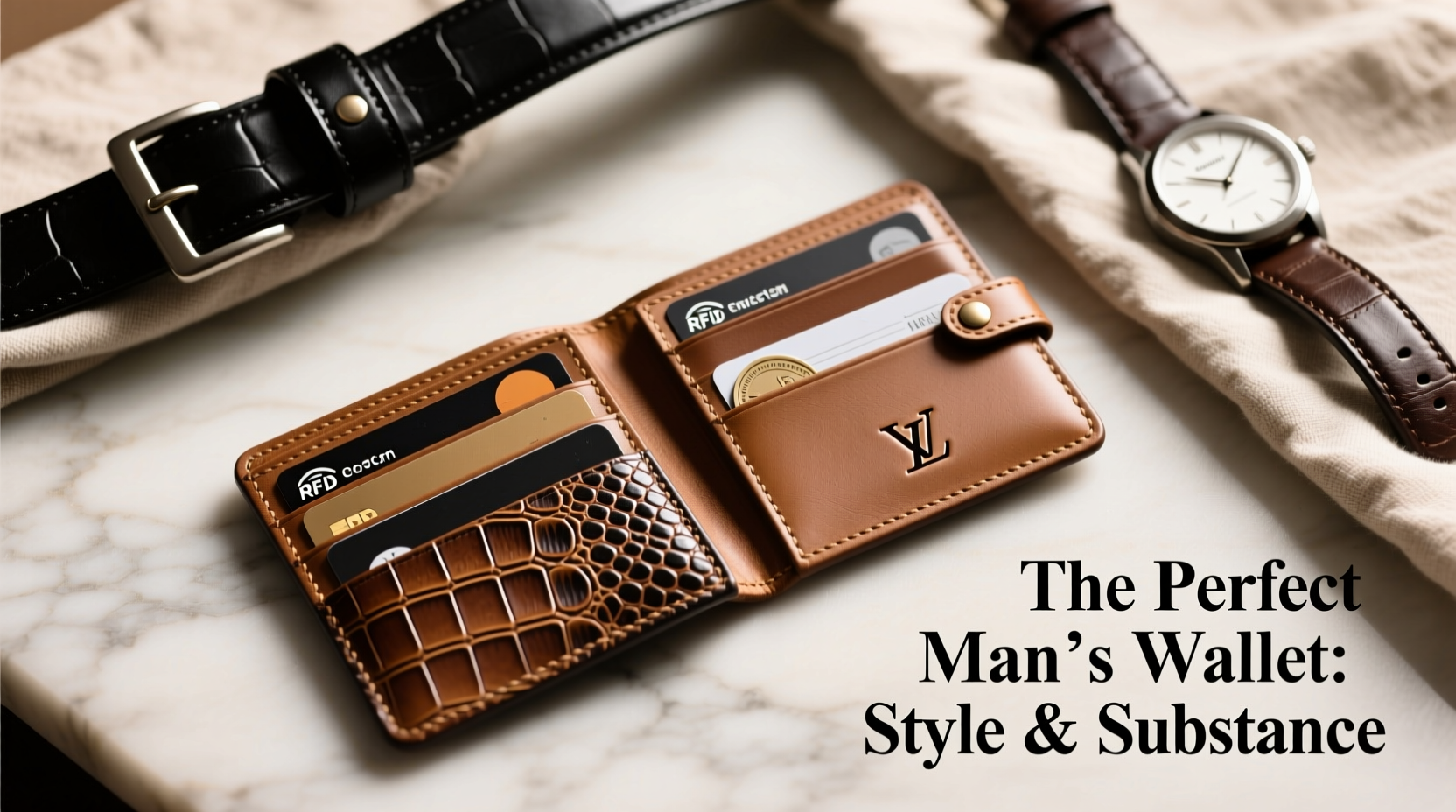
The foundation of any high-quality wallet lies in its material. The wrong choice can lead to premature wear, discoloration, or discomfort in the pocket. Designer wallets typically use premium leathers, exotic skins, or advanced synthetic textiles, each with distinct advantages.
| Material | Pros | Cons |
|---|---|---|
| Full-Grain Leather | Durable, ages beautifully, develops patina | Higher cost, initial stiffness |
| Top-Grain Leather | Smooth finish, more affordable, lighter | Less durable, minimal patina development |
| Exotic Leather (Ostrich, Alligator) | Luxurious texture, rare, status symbol | Expensive, requires specialized care |
| Technical Fabric (e.g., Cordura, Dyneema) | Water-resistant, lightweight, modern look | Lacks traditional warmth, less resale value |
Full-grain leather is widely considered the gold standard. It withstands daily use and improves with age, developing a unique character over time. Avoid bonded leather, which often peels and cracks within months.
Functionality vs. Minimalism: Striking the Right Balance
A wallet must serve its purpose without becoming a burden. The trend toward slim wallets has reshaped expectations, but practicality should never be sacrificed for aesthetics alone.
Consider your daily carry: Do you need space for eight credit cards, business cards, and folded bills? Or do you prefer a streamlined profile with only essentials? Designers now offer hybrid models—slim yet functional—with smart compartment layouts.
- Bi-fold wallets: Classic, balanced design with center gusset for cash and card slots on both sides.
- Tri-fold wallets: Extra folding panel increases capacity but adds bulk—best for those who carry cash regularly.
- Cardholders: Ultra-slim, ideal for urban professionals carrying only a few cards and no cash.
- Front-pocket wallets: Designed to sit comfortably in front pants pockets, reducing back strain and pickpocket risk.
“Modern men want elegance without excess. The best wallets disappear into the pocket while holding everything they need.” — Marcus Langford, Menswear Designer at Atelier LVM
Step-by-Step Guide: Choosing Based on Lifestyle
- Assess your daily carry: List every item you currently keep in your wallet.
- Measure your pocket space: Use a ruler to determine maximum dimensions for comfort.
- Decide on closure type: Zip-around for security, flap closure for ease, or open design for quick access.
- Test weight: A full wallet shouldn’t exceed 6–8 oz. Heavy loads affect posture and comfort.
- Evaluate RFID protection: Only necessary if you frequently travel or carry contactless cards.
Style Intelligence: Matching Your Wallet to Your Wardrobe
Your wallet should harmonize with your overall aesthetic—not clash with it. Just as you wouldn’t pair a formal watch with gym shorts, a flamboyant wallet undermines a tailored suit.
For formal or business settings, opt for understated designs in black, dark brown, or oxblood. Smooth finishes with minimal branding project quiet confidence. For casual or creative environments, textured leathers, contrast stitching, or subtle embossing can add personality.
Color coordination is critical. Match your wallet to your most-worn shoes or belt when possible. A chestnut-brown wallet pairs seamlessly with burgundy loafers, while a black calf leather model suits oxfords and charcoal suits.
Designer Brand Selection: Beyond the Logo
Not all designer labels deliver equal value. Some rely heavily on branding rather than construction. Focus on heritage, craftsmanship, and material sourcing.
Brands like Billfold by Bellroy, Smythson, and Montblanc emphasize function and refinement. Italian houses such as Bottega Veneta and Ferragamo showcase artisanal weaving and tanning. Japanese designers like Porter Yoshida prioritize precision engineering and minimalism.
Ask: Does the brand control its production? Limited-run pieces from vertically integrated manufacturers often outperform mass-market luxury goods.
Real-World Example: The Executive’s Upgrade
James, a 42-year-old finance director, carried a worn-out faux-leather wallet for years—bulky, cracked, and overflowing with receipts. After attending a client dinner where his wallet awkwardly spilled cards across the table, he decided to upgrade.
He researched and chose a slim full-grain leather bi-fold from a British brand known for hand-stitched edges and burnished corners. It held six cards, folded cash, and had a discreet coin pocket. Within weeks, colleagues noticed the subtle shift in his presentation. “It wasn’t flashy,” James said, “but it felt like I finally paid attention to the details that matter.”
This small change reinforced professionalism and self-respect—proof that accessories influence perception and confidence.
Essential Checklist Before You Buy
Before finalizing your purchase, run through this checklist to ensure long-term satisfaction:
- ✅ Made from full-grain or top-grain leather (or equivalent premium alternative)
- ✅ Dimensions fit comfortably in your front or back pocket
- ✅ Card slots accommodate your usual carry without bulging
- ✅ Stitching is tight, even, and saddle-stitched (not glued)
- ✅ Edges are painted or burnished, not raw or frayed
- ✅ Interior layout supports quick access to ID and most-used cards
- ✅ Brand reputation includes repair services or warranty
- ✅ Color complements your shoe and belt collection
Frequently Asked Questions
How much should I spend on a designer wallet?
A quality designer wallet typically ranges from $150 to $400. At this price point, you’re paying for durable materials, skilled labor, and longevity. While some luxury models exceed $1,000, evaluate whether the added cost reflects craftsmanship or merely branding.
Should I choose a wallet with RFID protection?
Only if you frequently travel internationally or carry multiple contactless payment cards. Most everyday users don’t face significant digital theft risks. Moreover, excessive metal lining can damage cards and make the wallet rigid. Consider a minimalist shielded sleeve instead of embedding it throughout the entire wallet.
How long should a good designer wallet last?
With proper care, a full-grain leather wallet should last 5 to 10 years. Regular conditioning, avoiding moisture, and rotating usage (if you own two) extend lifespan. Many high-end brands offer reconditioning services to restore worn pieces.
Final Thoughts: Invest in the Details
Selecting the perfect designer wallet is an act of personal curation. It reflects how you view yourself and how you wish to be perceived. More than a container for cards and cash, it’s a tool of daily ritual—one that rewards thoughtful selection with years of reliable service and quiet sophistication.
Don’t rush the decision. Hold samples, test the weight, consider the long-term wear. Choose durability over trendiness, function over flash. When you find the right piece, it won’t just hold your essentials—it will elevate them.




 浙公网安备
33010002000092号
浙公网安备
33010002000092号 浙B2-20120091-4
Comments
No comments yet. Why don't you start the discussion?