
Fools Paradise toys are more than collectibles—they’re artistic expressions of urban culture, limited-run craftsmanship, and personal taste. Whether you own a rare early edition or a recent release from the brand’s latest collaboration, protecting and presenting it properly is essential. A well-chosen display case does more than shield your piece—it elevates its presence in your space. The right case balances security, visibility, and aesthetic harmony, turning your toy into a focal point rather than just another shelf ornament.
Selecting the ideal display solution requires careful consideration of material, size, environmental factors, and design intent. Too many collectors invest heavily in the toy itself but overlook the importance of proper presentation. This guide walks through the key criteria for choosing a display case that keeps your Fools Paradise safe while enhancing its visual impact.
Assess Your Toy’s Dimensions and Fragility
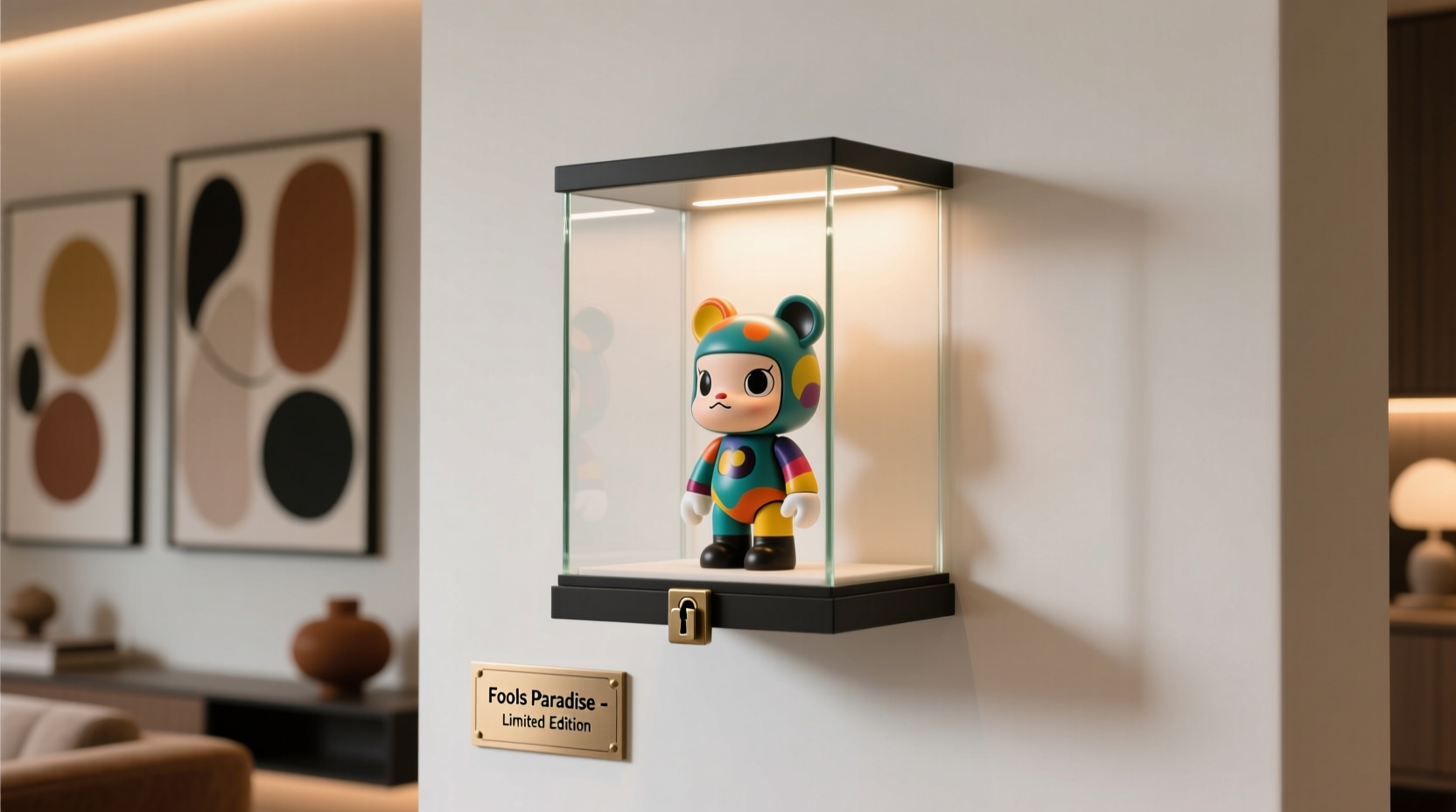
The first step in selecting a display case is understanding the physical characteristics of your Fools Paradise toy. These figures range from compact 6-inch designs to larger, articulated pieces exceeding 12 inches. Measure your toy’s height, width, depth, and any protruding elements—like antennae, wings, or accessories—before shopping for enclosures.
Additionally, consider fragility. Many Fools Paradise toys feature soft vinyl bodies, painted details, or delicate joints. Exposure to dust, moisture, or accidental contact can degrade their condition over time. A rigid, fully enclosed case prevents physical damage and minimizes handling risks.
Material Matters: Glass vs. Acrylic Cases
The two primary materials used in display cases are glass and acrylic (also known as plexiglass). Each has advantages and drawbacks depending on your priorities: clarity, weight, durability, and cost.
| Feature | Glass Case | Acrylic Case |
|---|---|---|
| Clarity | Excellent optical clarity; no color distortion | Slightly less clear; may have a blue or green tint at thickness |
| Durability | Scratch-resistant but can shatter if dropped | Impact-resistant, won’t shatter, but scratches more easily |
| Weight | Heavier; requires secure shelving | Lighter; easier to move and mount |
| Cost | Moderate to high | Generally lower |
| Cleaning | Use glass cleaner and microfiber cloth | Requires acrylic-safe cleaner to avoid hazing |
For high-traffic areas or homes with children or pets, acrylic offers superior safety due to its shatter resistance. However, if maximum visual fidelity is your goal—especially under spotlighting—optical-grade glass delivers unmatched transparency.
“Display cases aren’t just containers—they’re frames for storytelling. The material you choose affects how light interacts with the piece and how seriously viewers take its value.” — Daniel Reyes, Curator of Urban Collectibles at the Modern Pop Archive
Control Light and UV Exposure
One of the most overlooked threats to vinyl toys is ultraviolet (UV) radiation. Prolonged exposure to sunlight or strong artificial lighting can cause fading, yellowing, and material brittleness. Even indirect window light over months can degrade paint finishes and soften plastic integrity.
A quality display case should include or be compatible with UV-protective glazing. Many premium acrylic and glass options come with built-in UV filters that block up to 99% of harmful rays. If your chosen case lacks this feature, consider adding museum-grade UV-filtering film to the interior surfaces.
When positioning your case, avoid direct sunlight and fluorescent overhead lights. LED lighting with a color temperature between 3000K and 4000K provides warm, natural illumination without generating excess heat. Integrated LED strips or pin spots mounted above or beside the case enhance drama without risking damage.
Step-by-Step Guide to Choosing Your Display Case
Follow this structured approach to ensure you make an informed decision tailored to your specific needs:
- Measure your toy in all dimensions, including base and accessories.
- Determine the location—will it be on a shelf, desk, wall-mounted, or part of a gallery setup?
- Evaluate environmental conditions—check for sunlight exposure, humidity levels, and foot traffic.
- Select material type based on safety, clarity, and budget (glass vs. acrylic).
- Choose locking or ventilated features if you're in a dusty environment or want extra security.
- Add internal lighting if ambient room lighting is insufficient.
- Test fit the toy before final placement to ensure ease of access and visual balance.
Real Example: Protecting a Limited-Edition Fools Paradise x KAWS Collaboration
Carlos M., a collector in Los Angeles, acquired a numbered Fools Paradise x KAWS crossover figure released exclusively at a pop-up event. Valued at over $1,200, the piece featured intricate hand-painted details and a fabric jacket. Initially displayed on an open shelf, he noticed subtle fading after six months near a south-facing window.
He upgraded to a custom-sized acrylic case with UV-blocking coating and installed a low-heat LED backlight. The new setup not only halted further degradation but transformed the toy into a centerpiece in his living room. By measuring accurately and prioritizing light control, Carlos preserved both the condition and emotional value of the piece.
Do’s and Don’ts of Display Case Maintenance
Even the best case requires upkeep to maintain its protective function and visual appeal. Follow these guidelines to extend the life of your enclosure and collection.
| Action | Do | Don’t |
|---|---|---|
| Cleaning | Use microfiber cloths and appropriate cleaners (glass or acrylic-specific) | Use ammonia-based products like Windex on acrylic |
| Handling | Wear cotton gloves when placing or removing the toy | Touch painted surfaces directly with bare hands |
| Environment | Keep in stable temperature and low-humidity area | Place near radiators, windows, or bathrooms |
| Placement | Anchor heavy cases to walls or furniture | Set on unstable or wobbly shelves |
FAQ
Can I use a shadow box for my Fools Paradise toy?
Yes, but only if it has a sealed front with UV-protected glass or acrylic. Traditional shadow boxes often lack full environmental sealing, making them vulnerable to dust and oxidation. For long-term preservation, choose a fully enclosed model with a tight seal.
Should I climate-control my display area?
For serious collectors, yes. Ideal conditions are 68–72°F (20–22°C) and 45–55% relative humidity. Fluctuations in temperature or moisture can lead to warping, mold, or adhesive failure in composite toys. Consider using a small hygrometer inside the case for monitoring.
Are modular display systems worth the investment?
Modular systems—such as those from brands like IKEA’s SKUBB series or specialty units from DisplayPros—are excellent for expanding collections. They offer consistent aesthetics, interchangeable panels, and integrated lighting. If you plan to grow your Fools Paradise lineup, modular setups provide scalability and professional presentation.
Final Checklist Before Purchase
- ✅ Measured toy with clearance allowance
- ✅ Selected UV-protective glazing
- ✅ Confirmed ventilation or sealing based on environment
- ✅ Verified compatibility with lighting options
- ✅ Checked for lockability or child/pet safety features
- ✅ Ensured easy access for cleaning or rotation
- ✅ Matched case style to room décor (minimalist, industrial, modern, etc.)
Conclusion
Your Fools Paradise toy represents creativity, exclusivity, and personal passion. Treating it with the care it deserves means going beyond dusting—it means thoughtful curation. The right display case safeguards your investment, enhances visual impact, and honors the artistry behind the design. From material selection to lighting strategy, every detail contributes to a presentation that’s both secure and striking.




 浙公网安备
33010002000092号
浙公网安备
33010002000092号 浙B2-20120091-4
Comments
No comments yet. Why don't you start the discussion?