
For many children, wearing a princess dress is more than just play—it’s an expression of imagination, confidence, and joy. But for parents, the dreamy tulle and sparkling bodices often come with a practical dilemma: how do you balance fantasy with function? When your child is climbing playgrounds, spinning in circles, and chasing friends across the yard, a flimsy gown won’t last five minutes. The key lies in choosing a dress that’s as resilient as it is enchanting. Selecting the perfect durable princess dress means prioritizing materials, construction, and design features that support movement, withstand wear, and survive multiple washes—all while still making your little one feel like royalty.
Understand What Makes a Dress Truly Durable
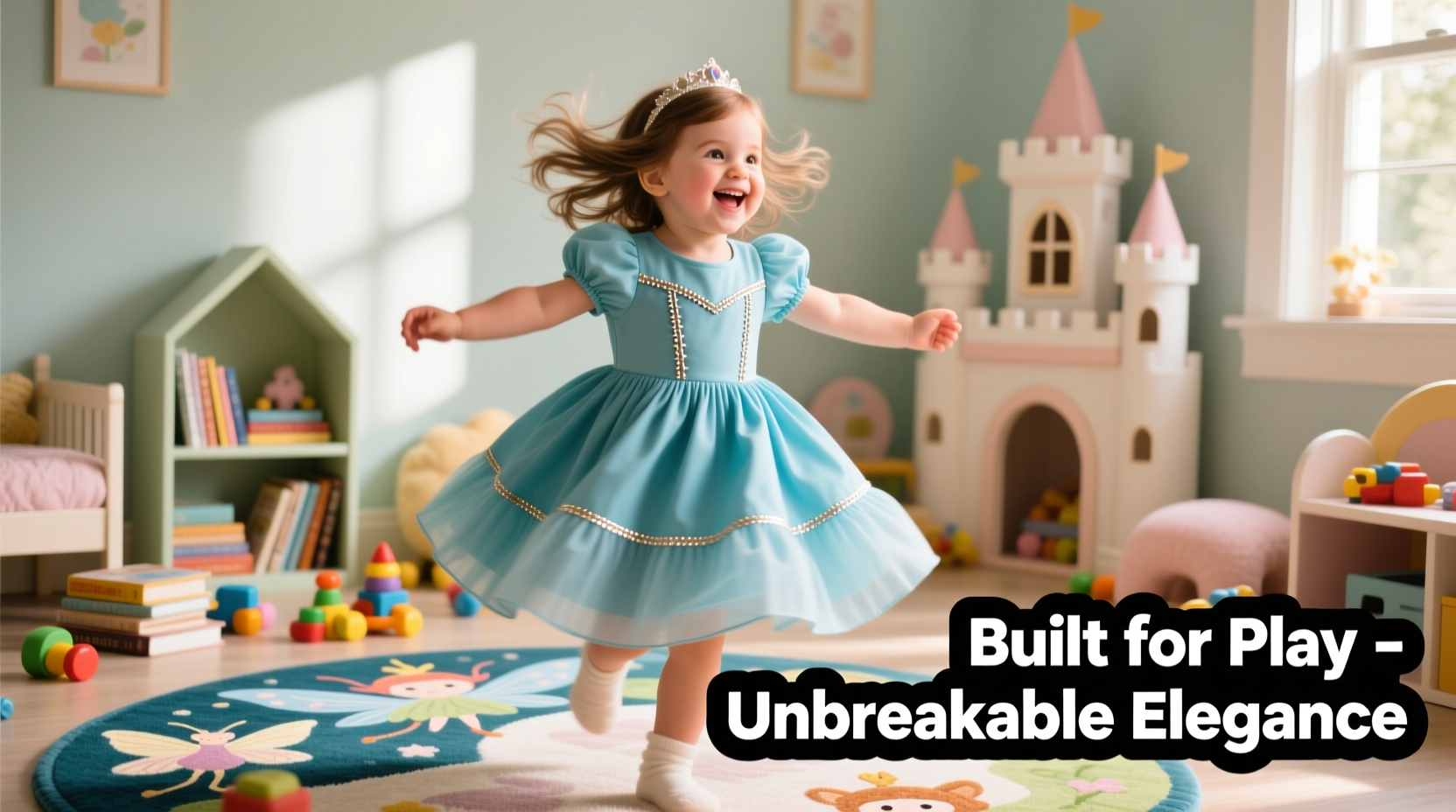
Durability isn’t just about thickness; it’s a combination of fabric quality, stitching integrity, and structural design. Many off-the-rack princess dresses are made from thin polyester netting and glued embellishments that fray after one energetic afternoon. A truly durable dress uses reinforced seams, breathable yet strong fabrics, and thoughtful details that reduce stress points.
Fabrics like cotton-polyester blends offer stretch and resilience, while double-layered tulle prevents tearing during rough play. Look for flatlock or zigzag stitching along high-movement areas like shoulders and waistbands—these techniques allow flexibility without compromising strength. Avoid dresses with excessive glued-on sequins or beads, which tend to peel or snag easily.
Choose the Right Fabric for Active Play
The fabric determines both comfort and longevity. While traditional princess gowns rely heavily on delicate satin and sheer organza, modern alternatives offer better performance for daily wear or outdoor events.
| Fabric Type | Pros | Cons |
|---|---|---|
| Cotton Blends | Breathable, soft, machine-washable, resists pilling | Less shiny, may wrinkle easily |
| Polyester Spandex | Stretchy, retains shape, colorfast, quick-drying | Can trap heat, less eco-friendly |
| Double-Layered Tulle | Holds volume, resists tearing, allows airflow | May require gentle washing |
| Satin (High-Quality) | Luxurious look, drapes beautifully | Prone to snags, needs careful handling |
For active kids, a blend of 95% polyester and 5% spandex strikes an ideal balance—offering durability, slight stretch, and resistance to fading. If possible, opt for dresses with cotton-lined bodices to prevent chafing and improve breathability.
Design Features That Enhance Longevity
Beyond fabric, smart design choices make a significant difference in how well a dress holds up. Consider these functional elements when shopping:
- Elasticated waistbands: Allow room for growth and ease of movement without putting strain on seams.
- Reinforced shoulder straps: Wider, padded, or crisscross styles distribute weight better and resist snapping.
- Hidden zipper with fabric guard: Prevents pinching and reduces wear on the closure mechanism.
- Attached underskirts: Provide structure without requiring separate petticoats that can shift or bunch.
- Subtle embellishments: Embroidered details or heat-transfer designs last longer than glued-on gems.
A well-constructed dress should feel balanced—not top-heavy from excessive layers or weighed down by bulky accessories. Dresses with modular elements, like removable capes or interchangeable sashes, extend versatility and reduce overall wear on the main garment.
“Durability starts at the seam. I always recommend checking stitch density—fewer than 10 stitches per inch is a red flag for low-quality construction.” — Lena Ruiz, Children’s Apparel Designer with 12 years in youth fashion
Step-by-Step Guide to Testing Durability Before Purchase
You don’t need a lab to assess a dress’s resilience. Use this simple evaluation process before buying:
- Inspect the label: Check fiber content and care instructions. Machine-washable garments typically endure better long-term use.
- Feel the seams: Run fingers along inner seams. They should be smooth, even, and securely finished—no loose threads.
- Test stretch recovery: Gently pull the bodice or waistband. It should snap back into place without distortion.
- Check embellishment attachment: Press on sequins or rhinestones. If they lift or feel unstable, they’ll likely fall off after washing.
- Assess layer integration: Skirt layers should be sewn at multiple points to prevent shifting during motion.
- Review return policy: Buy from retailers offering returns in case real-world wear reveals hidden flaws.
Real-World Example: How One Family Found the Right Fit
Sophia, age 5, loves pretending to be a warrior princess who battles dragons on the jungle gym. Her mother, Maria, had gone through three cheaply made dresses in two months—each ripped at the shoulder or lost its sparkle after a single wash. Frustrated, she turned to a specialty children’s boutique known for “play-friendly formalwear.” There, she found a dress made from moisture-wicking polyester-spandex with embroidered floral patterns instead of glued beads. The straps were adjustable, and the tulle skirt was layered over a soft mesh liner.
Six months later, the dress remains a favorite. It’s been washed eight times, survived birthday parties, preschool performances, and backyard adventures—and still looks vibrant. “It’s not just about lasting,” Maria said. “Sophia feels confident because it doesn’t restrict her. She runs, spins, climbs… and still feels like a princess.”
Essential Checklist for Parents
- ✅ Fabric is machine-washable and breathable
- ✅ Seams are tight and double-stitched
- ✅ Embellishments are sewn or embroidered (not glued)
- ✅ Waistband includes elastic for comfort and fit flexibility
- ✅ Shoulder straps are wide and securely attached
- ✅ Skirt has built-in structure (no extra petticoat needed)
- ✅ Lining is soft and non-irritating
- ✅ Design allows full range of motion
Frequently Asked Questions
Can a durable princess dress still look fancy?
Absolutely. Modern manufacturing allows for luxurious appearances without sacrificing strength. Look for dresses with iridescent fabrics, subtle shimmer weaves, or intricate embroidery that mimics the elegance of traditional gowns but with enhanced durability.
How often can I wash a durable princess dress?
Most high-quality, durable dresses can be machine washed every 2–3 wears using cold water and a gentle cycle. Always turn the dress inside out and avoid bleach. Air drying preserves elasticity and prevents shrinkage.
Are expensive dresses always more durable?
Not necessarily. Price doesn’t guarantee quality. Some premium brands prioritize aesthetics over function. Always inspect construction details regardless of price point. Mid-range brands focused on active kids’ wear often deliver better value and resilience.
Final Thoughts: Style Meets Strength
Selecting the perfect durable princess dress isn’t about settling for something plain—it’s about finding a garment where magic and practicality coexist. Today’s best options prove that children don’t have to choose between feeling regal and staying active. With the right materials, thoughtful design, and attention to craftsmanship, a princess dress can be both a symbol of imagination and a reliable companion for everyday adventures.




 浙公网安备
33010002000092号
浙公网安备
33010002000092号 浙B2-20120091-4
Comments
No comments yet. Why don't you start the discussion?