
Selecting an iPhone case might seem like a simple decision—pick a color, slap it on, and go. But in reality, the right case does far more than look good. It protects your investment, enhances usability, and reflects your personal style. With hundreds of options flooding the market—from minimalist sleeves to rugged armor—it’s easy to feel overwhelmed. The key is balancing aesthetics, durability, functionality, and value. This guide breaks down everything you need to know to make a confident, informed choice.
Assess Your Protection Needs First
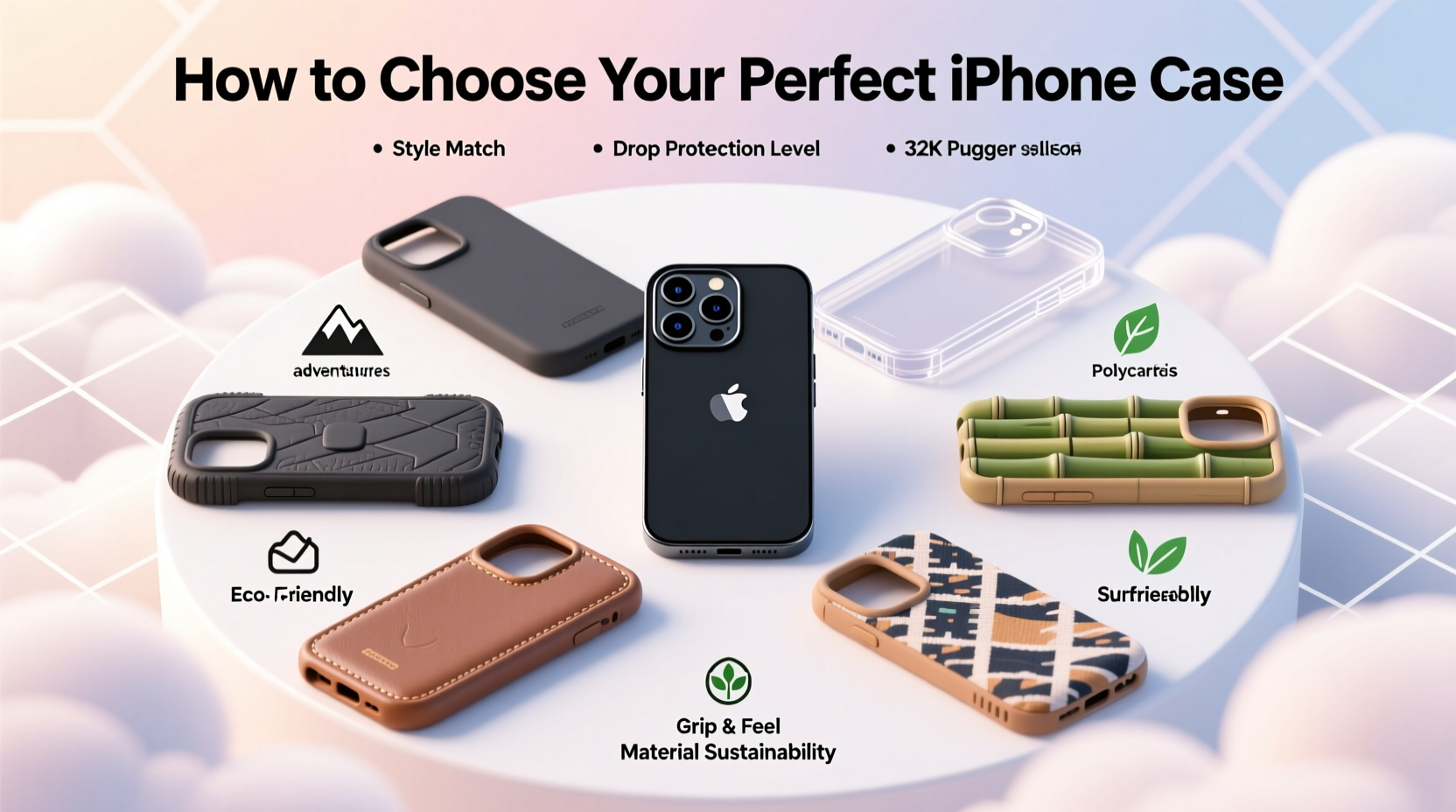
Before considering design or price, ask yourself: What kind of protection do I actually need? Your lifestyle plays a critical role here. A desk-bound professional has different requirements than a parent juggling kids, a construction worker, or an outdoor enthusiast.
iPhone cases generally fall into three protection tiers:
- Light Protection: Slim, form-fitting cases made from silicone or TPU. Ideal for users who keep their phones in pockets or bags and avoid rough handling.
- Moderate Protection: Hybrid cases combining flexible edges with rigid backs (often polycarbonate). These absorb shock from minor drops and resist scratches.
- Heavy-Duty Protection: Rugged cases with raised bezels, reinforced corners, and sometimes MIL-STD drop ratings. Best for high-risk environments or accident-prone users.
“Most iPhone damage occurs within the first 3 feet off the ground. A good case can reduce repair costs by up to 70%.” — David Lin, Mobile Device Durability Analyst at TechShield Labs
Material Matters: Pros and Cons of Common Case Types
The material of your iPhone case influences grip, weight, durability, and even signal strength. Here’s a breakdown of the most common types:
| Material | Pros | Cons |
|---|---|---|
| Silicone | Soft touch, excellent grip, scratch-resistant | Attracts dust, may discolor over time |
| Thermoplastic Polyurethane (TPU) | Flexible, shock-absorbent, affordable | Can yellow with UV exposure, feels rubbery |
| Polycarbonate (Hard Plastic) | Durable, slim profile, retains color well | Limited impact absorption, can crack under pressure |
| Leather | Elegant aging, develops patina, premium feel | Expensive, requires maintenance, less impact protection |
| Hybrid (TPU + PC) | Balances shock absorption and rigidity | Slightly bulkier than single-material cases |
For example, genuine leather cases age beautifully but offer minimal drop protection. They’re best suited for users who prioritize elegance over ruggedness. Meanwhile, hybrid models are ideal for daily drivers—offering both structure and flexibility.
Style That Matches Your Lifestyle
Your phone case is one of the few accessories you carry every day, making it a subtle yet powerful extension of your personality. Whether you lean toward minimalist design, bold patterns, or functional utility, your case should resonate with how you live.
Consider these style categories:
- Minimalist: Clear cases, matte finishes, neutral tones. Perfect for showcasing the iPhone’s original design.
- Professional: Sleek leather or textured polycarbonate. Avoid flashy colors or bulky designs in corporate settings.
- Casual & Fun: Colorful prints, cartoon graphics, glow-in-the-dark elements. Great for personal expression.
- Functional: Cases with card slots, kickstands, or lanyard loops. Ideal for those minimizing pocket clutter.
Mini Case Study: From Screen Cracks to Confidence
Sarah, a freelance photographer based in Denver, went through four iPhones in three years—each damaged by drops during shoots. She initially used thin silicone cases for their sleek look but realized they offered little defense against concrete sidewalks or gravel trails. After researching, she switched to a MIL-STD-810G-rated hybrid case with a built-in screen protector. Over the next 18 months, despite multiple falls from waist height, her phone remained intact. “It’s not the prettiest case,” she admits, “but it’s saved me over $1,200 in potential repairs.”
Functionality Features Worth Considering
Beyond looks and protection, think about how you use your phone daily. Certain features can significantly enhance convenience:
- MagSafe Compatibility: Ensures seamless attachment to chargers, wallets, and car mounts. Look for cases explicitly labeled “MagSafe-enabled” with embedded magnets.
- Wireless Charging Support: Most modern cases support it, but thick or metal-reinforced ones may interfere. Test before committing.
- Card or Cash Storage: Slim wallet cases hold IDs or a credit card—ideal for quick errands without a full wallet.
- Kickstands: Useful for watching videos hands-free, though they add thickness and potential break points.
- Water Resistance: While iPhones have IP ratings, some cases add extra sealing for beach trips or rainy commutes.
Step-by-Step Guide: Choosing Your Ideal Case
- Evaluate your risk level: Do you often place your phone on unstable surfaces? Work in high-movement environments?
- Determine your must-have features: MagSafe, wallet function, kickstand, or none?
- Choose a material: Prioritize durability, aesthetics, or a balance of both.
- Select a style: Match it to your wardrobe, profession, or mood.
- Read verified reviews: Focus on long-term feedback about yellowing, button wear, and fit accuracy.
- Purchase from reputable brands: Apple, OtterBox, Spigen, Incipio, and Nomad consistently deliver quality.
Frequently Asked Questions
Do clear cases really yellow over time?
Yes, especially cheaper TPU-based clear cases. UV exposure, skin oils, and heat accelerate this process. High-quality brands now use anti-yellowing coatings that can delay discoloration for up to a year or more.
Are expensive cases worth it?
Not always—but premium cases often use better materials, precise cutouts, and superior engineering. A $50 case may last three years, while five $10 cases over the same period cost more and perform worse.
Can a case affect my iPhone’s performance?
Poorly designed cases with internal metal components can interfere with wireless charging, GPS, or cellular signals. Always check compatibility details, especially if using MagSafe or NFC features.
Final Checklist Before Buying
- ✅ Confirmed compatibility with your exact iPhone model
- ✅ Includes necessary ports and speaker cutouts
- ✅ Supports wireless charging (if needed)
- ✅ Has positive long-term user reviews
- ✅ Matches your daily protection and style needs
- ✅ Backed by a warranty or return policy
Make a Choice That Lasts
Your iPhone is a tool, a companion, and often a statement. The case you choose should honor all three roles. Don’t settle for something just because it’s trendy or cheap. Instead, align your selection with how you move through the world—whether that means military-grade drop protection or a hand-stitched leather sleeve that ages with grace. The perfect case isn’t about following trends; it’s about making a practical, personal decision that stands the test of daily life.




 浙公网安备
33010002000092号
浙公网安备
33010002000092号 浙B2-20120091-4
Comments
No comments yet. Why don't you start the discussion?