
Carrying a crossbody bag has become more than a fashion statement—it’s a functional necessity. Whether navigating a busy commute, running errands, or enjoying a casual day out, the right crossbody bag keeps your essentials secure, accessible, and stylish. But with countless designs, materials, and brands available, finding the perfect one that aligns with your lifestyle requires thoughtful consideration. The ideal bag balances form and function, offering comfort, durability, and a touch of personality. Understanding what to look for—beyond just aesthetics—can transform your everyday carry from chaotic to seamless.
Define Your Daily Needs First
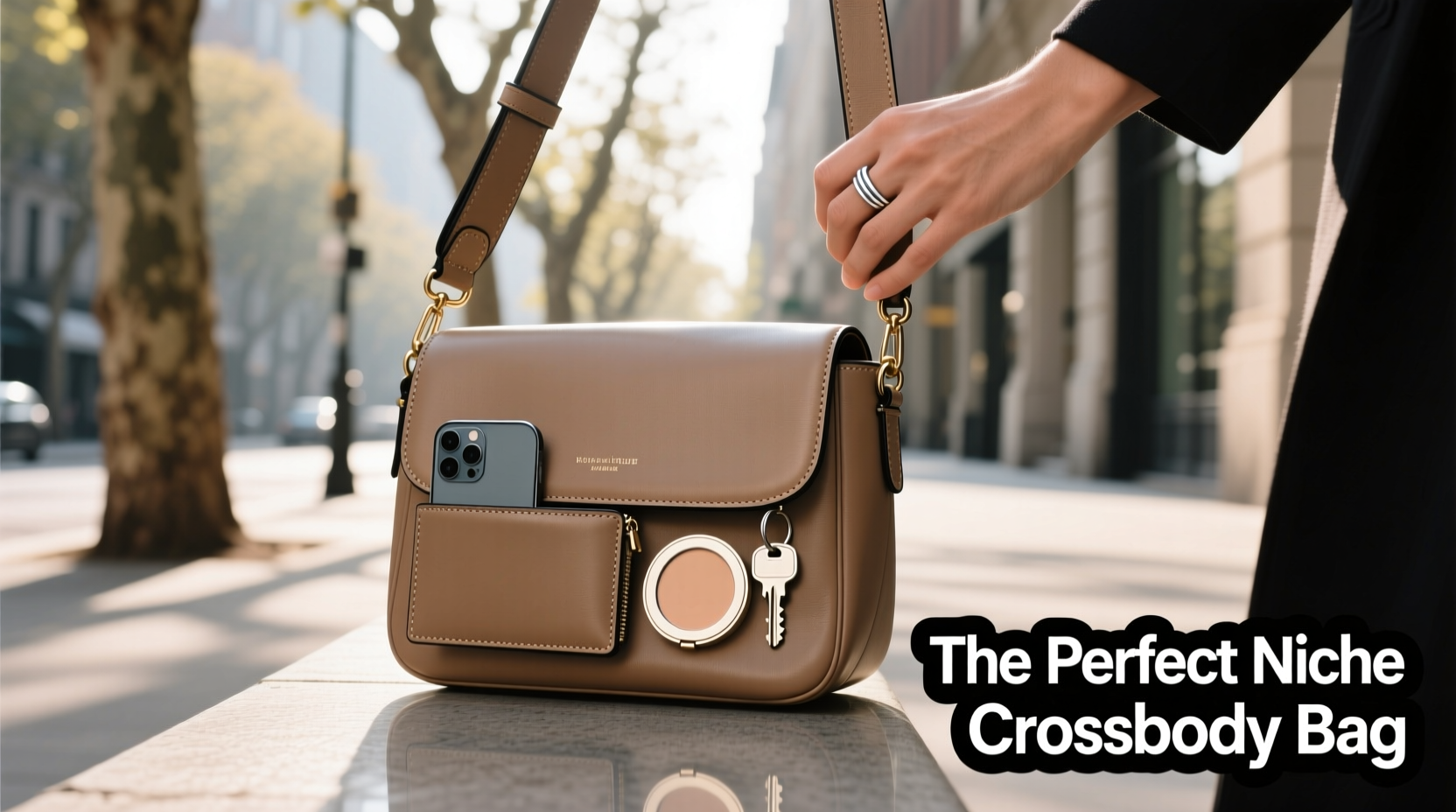
Before browsing styles or colors, assess what you actually carry every day. A minimalist who only needs a phone, keys, and cardholder has different requirements than someone juggling a tablet, wallet, sunglasses, and lip balm. Start by laying out all the items you typically bring with you. Then, consider frequency: do you need space for occasional extras like a small notebook or hand sanitizer?
Once you’ve mapped your essentials, categorize them by size and priority. This helps determine the ideal dimensions and compartment layout. A well-organized interior with dedicated slots for your phone and cards reduces fumbling and enhances security. Some niche bags feature RFID-blocking pockets or hidden zippers—ideal for urban environments where pickpocketing is a concern.
Evaluate Material and Durability
The material of your crossbody bag affects not only its appearance but also its longevity and maintenance. Common options include genuine leather, vegan leather, nylon, canvas, and recycled fabrics. Each has strengths depending on your environment and usage.
Genuine leather ages beautifully, developing a unique patina over time. It’s naturally water-resistant to light rain and highly durable, though it requires occasional conditioning. Vegan leather offers a cruelty-free alternative and comes in diverse textures, but lower-quality versions may crack after prolonged use. For active lifestyles or humid climates, water-resistant nylon or waxed canvas provides resilience against the elements without sacrificing style.
“Material choice should reflect both aesthetic preference and real-world conditions. A city commuter benefits from scratch-resistant fabric, while a weekend traveler might prioritize lightweight packability.” — Lena Torres, Accessory Designer at Urban Stride Co.
Comparison of Crossbody Bag Materials
| Material | Durability | Water Resistance | Maintenance Level | Best For |
|---|---|---|---|---|
| Genuine Leather | High | Moderate | Medium | Everyday elegance, long-term use |
| Vegan Leather | Low to Medium | Low | Low | Budget-friendly, ethical fashion |
| Nylon | High | High | Low | Travel, outdoor activities |
| Waxed Canvas | Medium to High | High | Low | Rainy climates, rugged use |
| Recycled Fabrics | Medium | Moderate | Low | Eco-conscious buyers |
Fit, Comfort, and Adjustability
No matter how stylish a bag looks, discomfort will discourage regular use. The strap length and weight distribution are critical factors. A crossbody bag should sit snugly against your torso, ideally between hip and waist level, without swinging or slipping off your shoulder.
Adjustable straps allow customization based on outfit or activity. For example, a longer drop suits layered winter wear, while a shorter setting works under jackets or during brisk walks. Look for padded or wide straps if you carry heavier loads. Narrow straps may dig into the shoulder, especially when the bag is full.
Weight matters too. Even compact bags can feel burdensome if constructed with dense hardware or thick linings. Aim for a base weight under 1 pound when empty. Test the balance by placing your essentials inside and wearing it around your home for an hour. Does it pull forward? Shift sideways? These subtle cues indicate poor ergonomics.
Step-by-Step Guide: Finding the Right Fit
- Measure your torso: From shoulder to opposite hip to estimate ideal strap drop.
- Try adjustable settings: Set the strap to mid-length and wear the empty bag.
- Add your essentials: Load in your daily items to test real-world weight.
- Move naturally: Walk, bend, and reach to check stability and comfort.
- Assess positioning: The bag should rest near your hip, not dragging below or riding high under the arm.
Style That Matches Your Identity
Niche crossbody bags stand out because they reflect individuality. Unlike mass-market designs, niche brands often focus on craftsmanship, unique detailing, or sustainable practices. When selecting a bag, ask whether the design complements your wardrobe and personal expression.
Neutral tones like black, tan, or olive offer maximum versatility, pairing easily with both casual and polished outfits. Bold colors or textured finishes make a statement but may limit coordination. Consider seasonal rotation—a classic black leather bag for winter, a bright recycled nylon option for summer.
Details matter: brushed metal zippers, contrast stitching, or hand-stitched edges signal quality. Some niche designers incorporate cultural motifs or artisan techniques, adding narrative depth to your accessory. If sustainability is important, research brand transparency—look for certifications like OEKO-TEX or membership in the Sustainable Apparel Coalition.
Real-Life Example: Sarah’s Search for the Ideal Commuter Bag
Sarah, a graphic designer in Seattle, needed a reliable crossbody for her 45-minute bike commute. She carried her phone, wallet, sketchbook, and reusable coffee cup. Early attempts with flimsy vegan leather bags failed—the straps stretched, and the base wore thin from frequent pavement contact. After researching, she chose a waxed canvas crossbody with a reinforced base and magnetic closure. The wide, padded strap stayed comfortable even with added weight, and the water-resistant fabric survived rainy mornings. Two years later, the bag shows character—not damage—and remains her go-to.
Essential Buying Checklist
- ✅ Measures at least 1” larger than your biggest item (e.g., phone)
- ✅ Features secure closures (zipper, snap, or magnetic flap)
- ✅ Offers internal organization (card slots, zip pocket)
- ✅ Made from durable, appropriate material for your climate
- ✅ Adjustable strap with comfortable padding
- ✅ Weighs less than 1 lb when empty
- ✅ Aligns with your personal style and values (e.g., eco-friendly, artisan-made)
Frequently Asked Questions
Can a crossbody bag be both stylish and secure?
Absolutely. Many niche brands integrate anti-theft features like slash-resistant straps, lockable zippers, and hidden compartments without compromising design. Look for discreet yet functional details—such as a back-wall zipper pocket against your body—for added peace of mind in crowded areas.
How do I clean and maintain my crossbody bag?
Care depends on the material. Wipe leather with a damp cloth and condition quarterly. Spot-clean canvas with mild soap and air dry flat. Avoid machine washing unless specified by the manufacturer. Store in a breathable dust bag when not in use to prevent dust buildup and shape loss.
Are niche crossbody bags worth the higher price?
Often, yes. Niche brands typically invest in better materials, ethical labor, and smaller production runs, resulting in higher quality and uniqueness. While the upfront cost may be greater, the extended lifespan and reduced environmental impact often justify the investment compared to fast-fashion alternatives.
Make the Choice That Works for You
Selecting the perfect niche crossbody bag isn’t about following trends—it’s about aligning practicality with personal values. The right bag simplifies your routine, protects your belongings, and expresses who you are. Take your time evaluating fit, function, and fabrication. Try before you buy when possible, and don’t hesitate to support independent makers who prioritize craftsmanship over mass appeal. When you find that ideal match, it becomes more than an accessory—it becomes a trusted companion for everyday life.




 浙公网安备
33010002000092号
浙公网安备
33010002000092号 浙B2-20120091-4
Comments
No comments yet. Why don't you start the discussion?