
The pillow bag has emerged as a modern fashion staple—soft, slouchy, and effortlessly chic. With its unstructured silhouette and relaxed drape, it exudes casual elegance. But beyond aesthetics, choosing the right pillow bag means aligning form with function. Whether you're commuting, running errands, or heading out for brunch, your bag should support your lifestyle without compromising on style. The challenge lies in finding one that feels luxurious to carry while holding everything you need. This guide breaks down the essential factors to help you make a confident, informed decision.
Understand the Pillow Bag Aesthetic
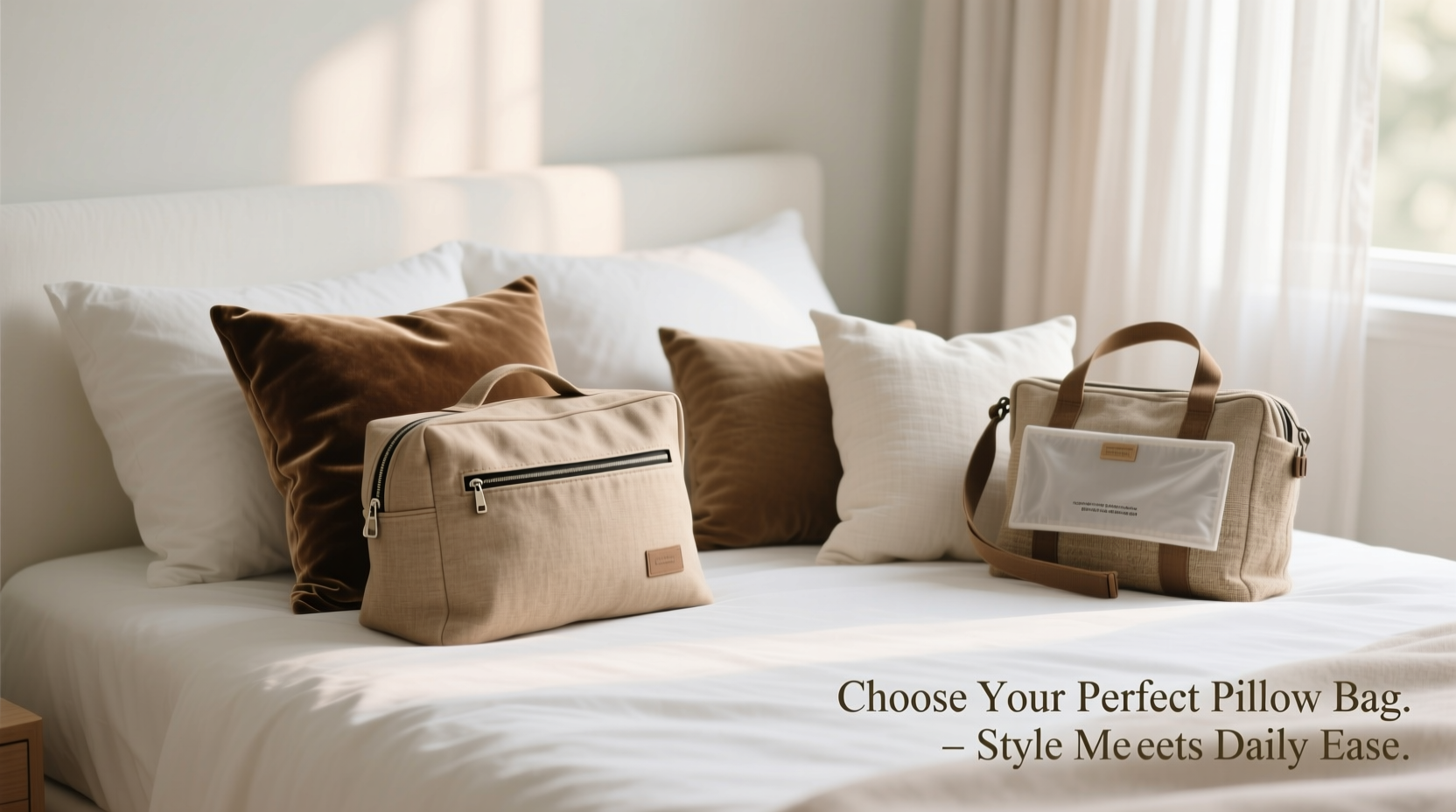
The pillow bag is defined by its soft, rounded edges and lack of rigid structure. Often crafted from supple leathers or textured fabrics, it collapses slightly when set down, giving it a relaxed, lived-in look. Designers like Jacquemus and By Far popularized this trend, blending minimalist lines with tactile materials. While visually appealing, the very features that make it stylish—lightweight construction, minimal hardware, and fluid shape—can affect usability.
When selecting a pillow bag, recognize that its appeal isn’t just in how it looks on Instagram, but how it integrates into your daily rhythm. A well-chosen piece enhances your outfit while serving as a reliable companion throughout the day. Avoid getting swayed solely by trends; instead, assess whether the design complements both your wardrobe and routine.
Evaluate Material Quality and Durability
Material choice significantly impacts both appearance and longevity. Common options include:
- Grained leather: Offers excellent scratch resistance and maintains shape over time.
- Suede or nubuck: Provides a velvety texture but requires careful maintenance and is less weather-resistant.
- Vegan leather: An affordable, cruelty-free alternative, though lower-tier versions may peel after months of use.
- Cloth or canvas blends: Lightweight and washable, ideal for casual settings but less formal.
For everyday use, prioritize materials that balance elegance with resilience. Full-grain or top-grain leather stands out as a premium option—develops a patina, resists wear, and ages gracefully. If sustainability matters to you, explore brands using recycled textiles or bio-based leathers.
“Durability doesn’t have to come at the cost of beauty. High-quality leather molds to your body over time, making the bag feel uniquely yours.” — Lena Torres, Sustainable Accessory Designer
Assess Practicality: Size, Compartments, and Weight
A pillow bag’s unstructured nature can make organization tricky. Without internal pockets or dividers, essentials tend to sink to the bottom, requiring frequent digging. To maintain practicality:
- Choose the right size: Small (under 10”) works for evenings or minimalists; medium (10–13”) suits most daytime needs; large (13”+) offers space but may lose its elegant drape.
- Check interior layout: Look for at least one zippered pocket and a phone sleeve. Some models now include RFID-blocking slots or key leashes.
- Consider weight when empty: A lightweight frame ensures comfort during extended wear, especially if carried crossbody or on one shoulder.
| Size Category | Best For | Limits |
|---|---|---|
| Small (8–10”) | Evening outings, minimalist carry | Fits only phone, wallet, lipstick |
| Medium (10–13”) | Daily errands, work commutes, travel | Holds tablet, notebook, small umbrella |
| Large (13–15”) | Weekend trips, heavy-load days | May appear bulky; harder to keep organized |
Match Strap Design to Your Lifestyle
The strap is where style meets ergonomics. Pillow bags typically feature one of three types:
- Short top handles: Elegant for hand-carrying but impractical for long walks or multitasking.
- Adjustable shoulder straps: Offer versatility—wear short on the shoulder or long across the body.
- Detachable crossbody straps: Increase security and comfort, especially in crowded areas.
If you’re often on foot or cycling, a padded, adjustable crossbody strap reduces strain. For office use or dinners, shorter handles may suffice. Test strap drop length: ideally, a crossbody strap should rest between your hip and mid-thigh to prevent swinging or slipping.
Mini Case Study: Sarah’s Commute Upgrade
Sarah, a graphic designer in Seattle, loved her cream suede pillow bag for its soft look and Instagram-worthy drape. But after two months of daily subway rides and rainy walks, the material stained easily, and the lack of pockets made finding her transit card frustrating. She switched to a medium-sized pebbled leather pillow bag with a removable crossbody strap and an interior zipper compartment. Though slightly less trendy, it stayed cleaner, held her sketchbook and phone securely, and felt comfortable after full workdays. Her new choice proved that balancing practicality with personal style leads to longer satisfaction.
Step-by-Step Guide to Choosing Your Ideal Pillow Bag
- Define your primary use: Will you carry it daily, for work, weekends, or special occasions?
- List must-have items: Phone, wallet, keys, makeup, notebook, charger. Measure their combined volume.
- Set a budget: Quality pillow bags range from $100 (affordable vegan brands) to $1,000+ (luxury designers). Decide what you’re willing to invest.
- Test virtual or in-store: If buying online, check dimensions and customer photos. In-store, load it with your usual items to test accessibility.
- Evaluate closure type: Magnetic snaps are easy; drawstrings offer softness but less security; zippers protect contents but alter the bag’s fluid look.
- Assess color versatility: Neutrals like taupe, black, or oatmeal pair with most outfits. Bold hues make statements but limit coordination.
- Read return policies: Ensure you can exchange if the bag doesn’t meet expectations in real-life use.
Common Pitfalls to Avoid
- Overprioritizing trends: A viral bag on social media might not suit your body type or routine.
- Ignoring hardware quality: Flimsy zippers or weak clasps fail quickly under daily stress.
- Choosing oversized styles for petite frames: Large pillow bags can overwhelm smaller individuals.
- Skipping care requirements: Suede needs protective sprays; patent finishes show scratches easily.
FAQ
Can I use a pillow bag as a work bag?
Yes, if you choose a medium to large size with structured compartments. Opt for professional colors like navy, gray, or black, and ensure it fits your laptop or portfolio if needed.
How do I clean a fabric pillow bag?
Spot-clean with a damp cloth and mild soap. For machine-washable liners, remove and wash separately. Always air dry—never use heat.
Are pillow bags suitable for travel?
They work well as carry-ons or day bags during trips due to their lightweight design. Choose water-resistant materials and secure closures to protect belongings in transit.
Final Checklist Before Buying
- ✅ Dimensions fit my daily essentials
- ✅ Material is durable and appropriate for my climate
- ✅ Has at least one secure internal pocket
- ✅ Strap length is comfortable for my height and posture
- ✅ Color matches multiple outfits in my wardrobe
- ✅ Closure keeps items safe without sacrificing ease of access
- ✅ Brand has positive reviews on long-term durability
Conclusion: Style Meets Substance
Selecting the perfect pillow bag isn’t about chasing the latest trend—it’s about curating a piece that moves seamlessly through your life. When style and practicality align, your bag becomes more than an accessory; it becomes an extension of your rhythm. Invest time in evaluating materials, proportions, and functionality. Try before you buy, read between the lines of marketing claims, and trust real-world usability over fleeting visuals.




 浙公网安备
33010002000092号
浙公网安备
33010002000092号 浙B2-20120091-4
Comments
No comments yet. Why don't you start the discussion?