
A well-chosen plush pillow cover can transform a room from ordinary to inviting, adding texture, color, and personality. Unlike permanent furniture, pillow covers are an affordable, low-commitment way to refresh your space. But with endless patterns—from geometric prints to botanical motifs—finding the right one can feel overwhelming. The key lies not just in personal taste, but in understanding how pattern choice interacts with room function, existing decor, and emotional tone. When selected thoughtfully, a plush pillow cover does more than decorate; it harmonizes, anchors, and expresses.
Understand Your Room’s Design Personality
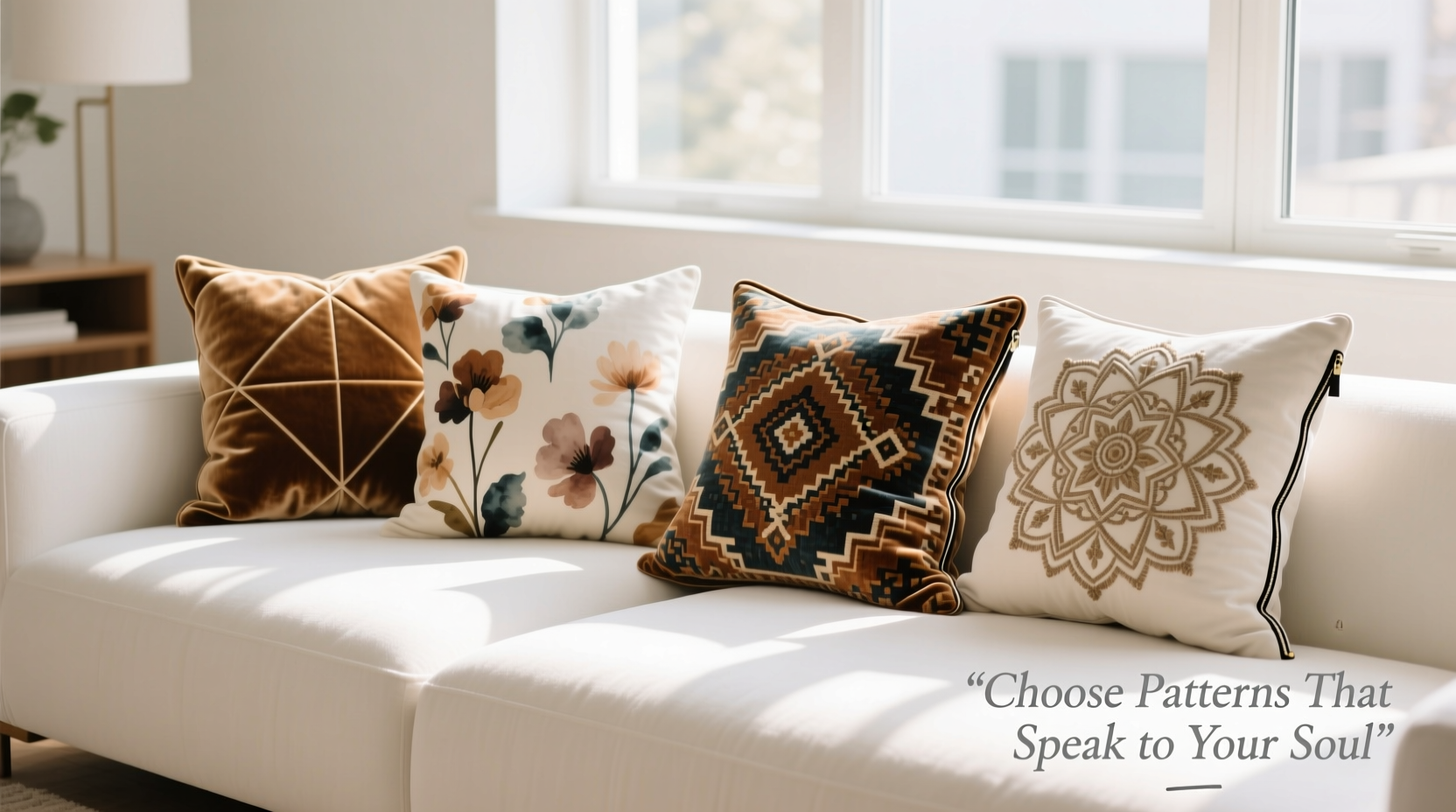
Before browsing patterns, assess the current energy of the room. Is it minimalist and serene? Warm and rustic? Bold and eclectic? Each design style responds best to certain types of patterns. A modern loft benefits from clean lines and monochrome geometrics, while a cottage-style bedroom welcomes floral or gingham prints. Ignoring this alignment risks visual clutter or a disjointed look.
Start by identifying your dominant interior style. Use these general guidelines:
- Scandinavian: Opt for subtle textures, muted tones, and small-scale patterns like herringbone or tiny checks.
- Bohemian: Embrace layered patterns—think tribal, ikat, or Persian-inspired designs in rich jewel tones.
- Transitional: Blend classic and contemporary with damask, toile, or abstract watercolor prints.
- Coastal: Choose nautical stripes, seashell motifs, or soft ombre patterns in blues and whites.
- Industrial: Stick to solid colors or understated grids in neutral palettes to avoid clashing with raw materials.
Balance Pattern Scale and Placement
Pattern scale refers to the size of the repeating design on the fabric. A large floral print reads differently from a micro-dot, even if both are “floral.” Misjudging scale is a common mistake that can overwhelm a sofa or vanish on a loveseat.
In general:
- Large-scale patterns work best on statement pieces like a single accent pillow or a bold armchair.
- Small-scale patterns are ideal for layering and blending with other textiles.
- Medium-scale prints offer versatility and are often safest for beginners.
Consider placement. In a seating area, use larger patterns toward the back (like lumbar pillows) to create depth. Smaller or solid-color plush covers should be in front for balance. Avoid placing high-contrast patterns directly beside each other unless intentional contrast is the goal.
Do’s and Don’ts of Pattern Sizing
| Scenario | Do | Don't |
|---|---|---|
| Small living room | Use medium or small patterns to avoid visual crowding | Choose oversized prints that dominate the space |
| Neutral-colored sofa | Add interest with bold, large-scale patterns | Stick only to solid pillows—misses opportunity |
| Busy wallpaper or rug | Pair with textured solids or very subtle patterns | Layer multiple loud patterns |
| Bedroom with minimal decor | Introduce calming organic patterns (e.g., leafy prints) | Use chaotic or high-contrast graphics |
Harmonize Color and Texture
Even the most beautiful pattern will fall flat if its colors clash with the room. Begin by extracting 2–3 dominant hues from your existing palette—walls, flooring, or major furniture. Then, choose a pillow cover that includes at least one of those colors, either as a primary or accent shade.
Texture amplifies the effect. Plush fabrics like velvet or chenille naturally catch light, making patterns appear richer. A matte cotton print may look flat in the same setting. For rooms with smooth surfaces (leather sofas, glass tables), textured plush covers add warmth and tactile contrast.
“Color harmony isn’t about matching everything—it’s about creating rhythm. A pillow cover should echo, not repeat, your room’s story.” — Lila Monroe, Interior Stylist & Author of *Textile Alchemy*
Follow a Step-by-Step Selection Process
Selecting the perfect pattern doesn’t have to be guesswork. Follow this five-step method to make confident choices:
- Assess the room’s current palette and mood. Note dominant colors, materials, and emotional tone (calm, energetic, cozy).
- Determine the pillow’s role. Is it decorative, functional, or both? Accent pillows allow bolder patterns; everyday cushions benefit from durable, subtle designs.
- Choose a base color that ties into the room. Pull from curtains, artwork, or a throw blanket to ensure cohesion.
- Select pattern type based on style. Match the motif to your interior theme—geometric for modern, floral for traditional, abstract for artistic spaces.
- Lay out options visually. If shopping online, hold swatches or printouts against your furniture. In-store, drape samples over your sofa or bed.
Real Example: Transforming a Dated Living Room
Sarah, a homeowner in Portland, struggled with a beige sectional that made her living room feel lifeless. The walls were warm gray, and a vintage rug featured rust, navy, and cream. She initially considered solid gray pillow covers for simplicity but worried it wouldn’t add enough character.
Instead, she chose two plush pillow covers: one with a navy-and-cream trellis pattern and another with a subtle rust-toned medallion print on a textured velvet. Both patterns pulled colors from the rug and introduced structure and luxury. The result was immediate—a cohesive, curated space that felt intentional and inviting.
The lesson? Patterns don’t need to be wild to be effective. Even restrained designs, when aligned with existing elements, can elevate a room dramatically.
Essential Checklist Before You Buy
Before finalizing your selection, run through this checklist to ensure lasting satisfaction:
- ✅ Does the pattern complement, rather than compete with, other room elements?
- ✅ Are the colors represented in at least one other item in the space?
- ✅ Is the fabric plush but durable enough for its intended use?
- ✅ Have I considered scale relative to the furniture size?
- ✅ Can the cover be removed and washed easily?
- ✅ Does the pattern align with the room’s overall style (e.g., modern, farmhouse, etc.)?
- ✅ Am I buying at least one solid or textured neutral to balance patterned pieces?
Frequently Asked Questions
Can I mix different patterns on the same sofa?
Yes—but do so intentionally. Combine one dominant pattern (like a large floral) with a supporting print (such as a small stripe or dot) in shared colors. Always include a solid or textured neutral pillow to break up the visual noise and create breathing room.
How many patterned pillow covers should I use per couch?
For a standard three-cushion sofa, two patterned covers and one solid or textured neutral usually strike the right balance. In larger spaces, odd numbers (3 or 5) tend to look more natural. Avoid covering every cushion in busy prints.
Are bold patterns outdated?
Not at all. Bold patterns are cyclical and currently trending in maximalist and eclectically styled homes. The key is context. A vibrant, large-scale print works beautifully as a focal point in a well-edited space but can overwhelm a cluttered or small room.
Final Thoughts: Make It Personal
The perfect plush pillow cover pattern isn’t just about following rules—it’s about reflecting who you are. Decor should feel lived-in and meaningful. Whether you’re drawn to vintage paisleys, modern asymmetrical art prints, or cozy cable-knit solids with subtle tonal patterns, let your choice resonate with your lifestyle.
Remember, decor evolves. Start with one standout pillow cover that excites you, then build around it. Test, adjust, and refine. Over time, your collection of plush covers will tell a story—one of comfort, creativity, and thoughtful curation.




 浙公网安备
33010002000092号
浙公网安备
33010002000092号 浙B2-20120091-4
Comments
No comments yet. Why don't you start the discussion?