
For many pet owners, traveling with a small dog means bringing along a trusted companion—literally. Backpacks designed specifically for small dogs have surged in popularity, offering a hands-free way to keep pets close while navigating busy streets, hiking trails, or airport terminals. But not all pet backpacks are created equal. The right choice balances ventilation, structural support, safety features, and ergonomic design to protect your dog’s physical well-being and emotional comfort. Selecting the wrong model can lead to overheating, restricted movement, or even injury. Understanding what makes a backpack truly safe and comfortable is essential for responsible pet ownership.
Understanding Your Dog’s Needs Before Choosing a Backpack
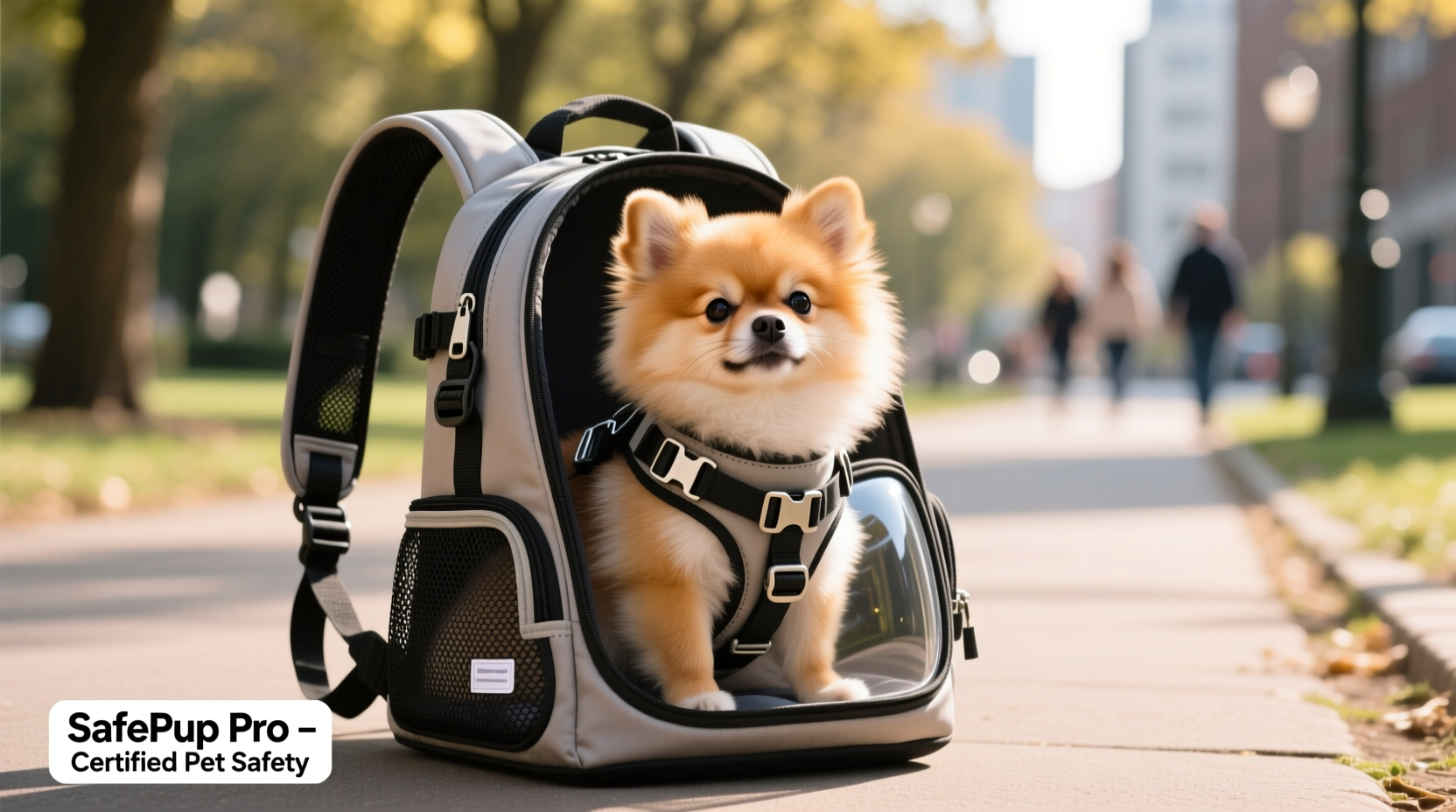
Before browsing product listings, consider your dog’s size, breed, temperament, and health. Small dogs vary widely—from a 4-pound Chihuahua to a 20-pound Cocker Spaniel—and their needs differ accordingly. A dog with brachycephalic syndrome (like a Pug or French Bulldog) requires superior airflow and shorter carry durations due to breathing limitations. Similarly, older dogs or those with joint issues need extra lumbar support and minimal jostling.
Behavior also plays a role. Some dogs enjoy being enclosed in a secure space; others become anxious when visibility is limited. Observe how your dog reacts to carriers or crates at home. If they retreat into tight spaces willingly, a front-facing or enclosed backpack may suit them. If they’re easily startled, a top-loading model with panoramic mesh windows might reduce stress.
Key Safety Features Every Dog Backpack Should Have
Safety isn’t just about keeping your dog inside the bag—it’s about preventing injury, ensuring breathability, and maintaining stability. Look for these non-negotiable features:
- Secure harness attachment point inside: The backpack should include an internal D-ring or clip that connects to your dog’s harness. This prevents jumping out if the zipper opens and reduces strain on their body by distributing weight evenly.
- Sturdy, escape-proof zippers: Double sliders or locking zippers prevent accidental openings. Avoid single-pull zippers without secondary fasteners.
- Adequate ventilation: At minimum, two large mesh panels (front and side) ensure cross-ventilation. For hot climates, 360-degree mesh is ideal.
- Rigid bottom insert: A firm base supports your dog’s spine and prevents compression when setting the backpack down.
- Reflective trim: Essential for evening walks or low-light conditions, enhancing visibility to drivers and cyclists.
“Many pet injuries from carriers stem from poor weight distribution or lack of internal tethering. A backpack must support the dog’s natural posture.” — Dr. Lena Torres, DVM, Canine Mobility Specialist
Comfort Considerations: Design That Works for Both You and Your Dog
Comfort is mutual. If the backpack strains your shoulders or back, you’ll be less likely to use it consistently, and sudden movements could jolt your dog. Prioritize ergonomics in both pet and human design.
Look for padded shoulder straps with chest and waist stabilizers—these transfer weight from your shoulders to your hips, reducing fatigue. Adjustable straps ensure a snug fit regardless of height or build. On the pet side, soft fleece lining prevents chafing, and contoured walls provide space without excess room that could allow sliding during motion.
Two primary styles dominate the market:
| Backpack Type | Best For | Limits |
|---|---|---|
| Front-Facing (Chest Carrier) | Dogs under 12 lbs; urban walking; bonding | Limited visibility rearward; not ideal for long hikes |
| Back-Mounted (Hiking Style) | Dogs up to 25 lbs; outdoor adventures; longer trips | Less interaction; requires stronger core support from user |
Step-by-Step Guide to Choosing and Using Your Dog Backpack Safely
- Measure your dog: Length from neck to tail base, height at shoulders, and weight. Compare these to manufacturer specs.
- Select the right size: Your dog should stand, sit, and turn comfortably—but not have so much room that they shift during movement.
- Inspect materials: Outer fabric should be water-resistant and durable (e.g., ripstop nylon). Interior should be soft, washable, and non-toxic.
- Attach the safety tether: Always clip your dog’s harness to the internal anchor point. Never rely solely on the zipper.
- Start slow: Use the empty backpack near your dog with treats. Gradually increase time spent inside, then short stationary carries.
- Limit carry duration: Begin with 10–15 minute intervals, especially for first-time users. Watch for panting, whining, or restlessness.
- Monitor environmental conditions: Avoid using backpacks in temperatures above 75°F (24°C), as heat buildup can be dangerous.
Real-World Example: How Mia Chose the Right Backpack for Her Pomeranian
Mia, a nurse living in Seattle, wanted a reliable way to transport her 9-pound Pomeranian, Leo, during weekend farmers markets and light hikes. After researching, she ruled out sling-style carriers due to poor back support and opted for a back-mounted hiking backpack with dual mesh panels and a rigid base. She measured Leo carefully—he was 14 inches long and 10 inches tall—and selected a medium-sized model rated for 12–25 lbs.
She introduced the backpack over three days: first letting Leo sniff and enter voluntarily with treats, then clipping him in for five minutes while sitting, and finally taking short walks around the block. During a visit to a local park, Leo remained calm and curious, peering through the mesh. Mia appreciated the waist strap, which reduced shoulder pressure after 30 minutes of use. By following a gradual process and prioritizing safety features, Mia ensured both of them enjoyed the experience.
Checklist: What to Verify Before Buying a Dog Backpack
- ✅ Weight capacity matches your dog’s current weight (with room for clothing or blankets)
- ✅ Internal safety tether included and securely anchored
- ✅ Ventilation covers at least 50% of two sides
- ✅ Bottom is firm and elevated slightly off the ground
- ✅ Zippers are double-ended or lockable
- ✅ Straps are padded and adjustable for your body type
- ✅ Easy to clean (removable, machine-washable liner preferred)
- ✅ Reflective elements for low-light safety
Frequently Asked Questions
Can I use a regular hiking backpack with a dog insert?
Yes, some outdoor brands offer dog inserts for standard hiking packs. However, ensure the insert includes ventilation, a safety tether, and doesn’t obstruct your ability to wear the pack safely. These are best for occasional use, not daily commuting.
How do I know if my dog is stressed in the backpack?
Signs include excessive panting, trembling, whining, attempts to chew the mesh, or refusing to enter the backpack. If observed, stop use immediately and reassess fit, duration, or acclimation process.
Are airplane-approved dog backpacks different?
Yes. Airlines require under-seat dimensions, so look for compact front-facing models under 17” x 10” x 9”. Confirm carrier policies in advance—some ban backpacks entirely unless fully enclosed and leak-proof.
Final Thoughts: Prioritizing Well-Being Over Convenience
A dog backpack should never be chosen for style alone. The perfect model reflects a deep understanding of your pet’s physical limits, behavioral tendencies, and health needs. When safety, comfort, and thoughtful design align, the backpack becomes more than a carrying tool—it becomes a trusted extension of your care.




 浙公网安备
33010002000092号
浙公网安备
33010002000092号 浙B2-20120091-4
Comments
No comments yet. Why don't you start the discussion?