
A well-chosen long sleeve jacket can be the most reliable piece in a woman’s wardrobe—offering comfort, style, and adaptability across seasons and settings. Whether stepping into a boardroom, heading out for brunch, or layering up for a weekend hike, the right jacket bridges function and fashion seamlessly. Yet, with countless fabrics, cuts, and features on the market, finding one truly versatile option can feel overwhelming. The key lies not in chasing trends, but in identifying design elements, materials, and fits that serve multiple purposes without sacrificing performance or elegance.
Understand Your Lifestyle Needs First
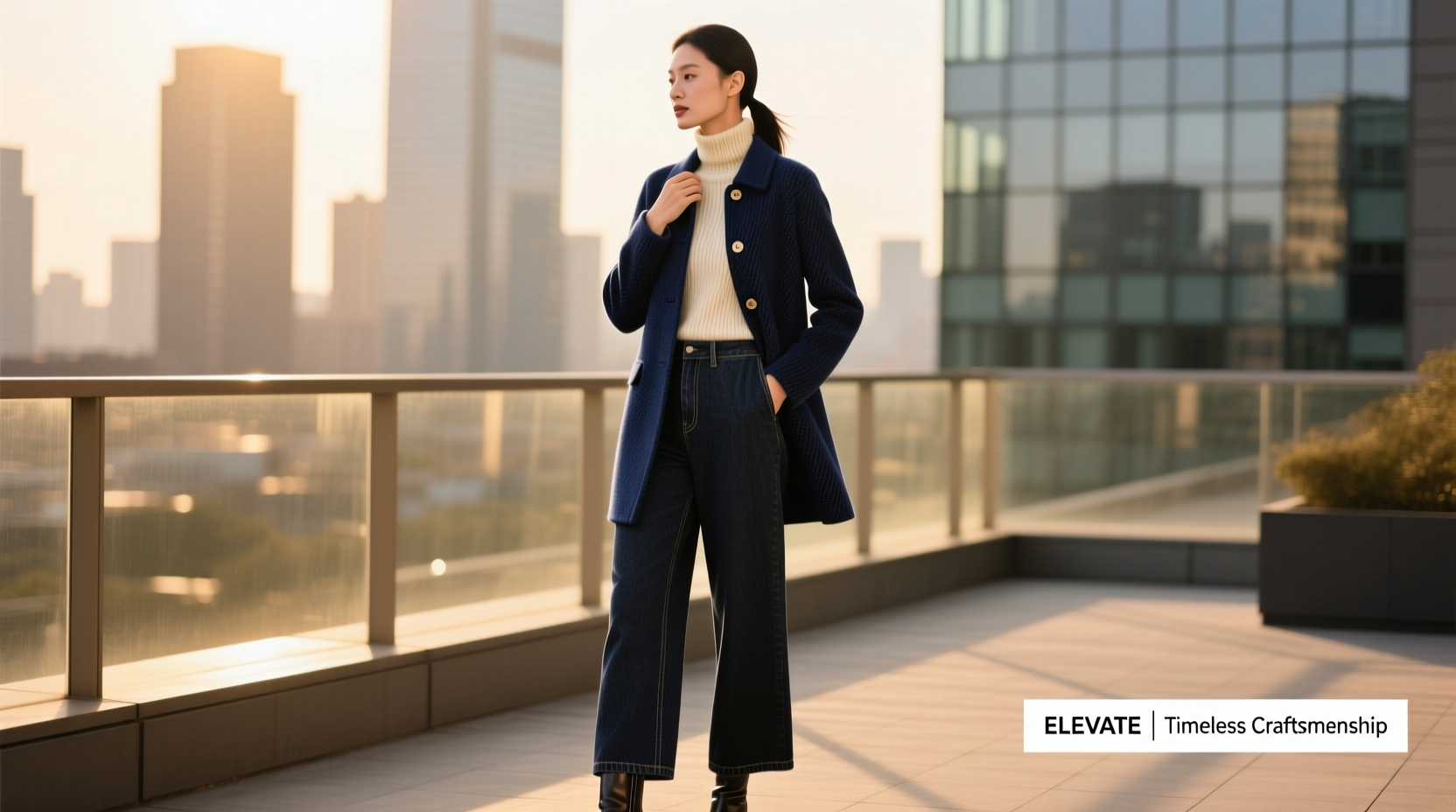
Before browsing racks or scrolling online, take stock of your daily routine. A jacket ideal for urban commuting may differ from one suited to outdoor adventures or professional environments. Consider these questions: How often do you transition from indoor to outdoor spaces? Do you need weather resistance? Is breathability important during active days? Are neutral tones preferred for easy pairing?
For example, someone working in a climate-controlled office but walking to and from transit might prioritize a lightweight wool-blend jacket with subtle structure. In contrast, a parent managing school drop-offs and errands in variable weather benefits more from a water-resistant, machine-washable style with room for layering.
Material Matters: Balancing Comfort, Durability, and Care
The fabric of your jacket determines its longevity, comfort, and suitability for different conditions. Natural fibers like merino wool offer temperature regulation and breathability, while technical synthetics provide stretch, moisture-wicking, and quick-drying capabilities. Blends often deliver the best of both worlds.
| Material | Best For | Limitations |
|---|---|---|
| Merino Wool | Temperature control, odor resistance, elegant drape | Requires hand washing; avoid high heat |
| Cotton Twill | Casual wear, breathability, soft texture | Wrinkles easily; minimal weather protection |
| Polyester-Elastane Blend | Mobility, durability, wrinkle resistance | Less breathable; may retain odors |
| Recycled Nylon (with DWR finish) | Light rain protection, packability, eco-conscious choice | Limited insulation; higher cost |
When evaluating materials, also consider care requirements. A jacket that looks stunning but demands dry cleaning is less practical for everyday use than one that maintains shape and color after machine washing.
“Versatility starts with fabric intelligence. Choose materials that align with your movement, climate, and maintenance habits.” — Lena Torres, Sustainable Fashion Designer
Design Features That Enhance Functionality
Look beyond color and cut. Functional details elevate a jacket from merely stylish to genuinely useful. Thoughtful zippers, adjustable cuffs, hidden pockets, and convertible collars can transform how a single piece performs across scenarios.
- Hidden interior pockets: Ideal for securing phones, keys, or transit cards discreetly.
- Ribbed or elasticated hems: Provide a snug fit without bulk, improving wind resistance and silhouette.
- Twin-way zippers: Allow bottom opening for ease of movement when seated or cycling.
- Roll-up sleeves with tab holders: Enable quick adjustment as temperatures change.
- Removable liners: Add warmth in winter and can be taken out for spring wear.
Jackets with minimalist hardware and clean lines tend to transition more smoothly from casual to formal settings. Avoid excessive branding or flashy embellishments if aiming for broad compatibility.
Real-World Example: One Jacket, Three Days
Sophie, a marketing consultant based in Portland, relies on a charcoal gray, mid-length jacket made from recycled wool-polyester blend. On Monday, she pairs it with tailored trousers and a silk blouse for client meetings. Tuesday, she wears it over a hoodie with jeans for a podcast recording and coffee run. By Saturday, she layers it over a thermal base during a coastal walk. The jacket’s neutral tone, moderate weight, and slightly tailored fit make it adaptable without requiring additional outerwear.
Its secret? Functional yet understated details: zippered side pockets, a storm flap at the back yoke, and a collar that stands upright in wind or folds flat for a softer look.
Fit and Proportion: The Foundation of Versatility
No amount of technical fabric can compensate for poor fit. A versatile jacket should allow room for layering—a light sweater or turtleneck—without appearing boxy. Shoulder seams should align with your natural shoulder line, and sleeve length must permit full arm extension without riding up.
Consider these guidelines:
- Silhouette: Slightly tapered or straight cuts work better than oversized styles for professional settings.
- Length: Hip-length jackets balance coverage and mobility; longer styles (below hips) add polish but may restrict motion.
- Armhole height: High armholes increase range of motion and reduce bunching under the arms.
Try the “coat check test”: wear the jacket with your most common base and mid-layers. Sit down, raise your arms, and simulate reaching forward. If the jacket pulls tightly or rides up excessively, it may not support dynamic use.
Color Strategy for Maximum Outfit Pairing
Neutral hues—navy, charcoal, olive, camel, or heather gray—are the backbone of a flexible wardrobe. They pair effortlessly with both brights and muted tones, making them ideal for a go-to jacket. If you prefer bolder choices, consider deep jewel tones like burgundy or forest green, which are more versatile than pastels or neon shades.
Step-by-Step Guide to Choosing Your Jacket
Follow this sequence to ensure a smart, lasting purchase:
- Assess your top 3 use cases (e.g., commute, work, weekend).
- Determine necessary features (water resistance, pockets, layering capacity).
- Select a seasonally appropriate weight (light for layering, medium for all-season use).
- Narrow to 2–3 colors that complement your core wardrobe.
- Try on with typical layers and move through daily motions.
- Check care instructions and confirm they match your routine.
- Evaluate cost per wear: Divide price by estimated uses per year to gauge value.
Frequently Asked Questions
Can one jacket really work for both work and casual outings?
Yes—if it has a balanced silhouette, neutral color, and minimal branding. Pair it with tailored pieces for professionalism, then switch to jeans and sneakers for downtime. The key is avoiding extremes in style (like heavy distressing or formal lapels).
What’s the ideal thickness for an all-purpose long sleeve jacket?
A medium-weight fabric (around 300–400 gsm) offers the best compromise. It provides enough insulation for cool mornings but won’t overheat indoors. Look for breathable weaves or strategic ventilation zones.
Are sustainable materials less durable?
Not necessarily. Recycled wool, organic cotton blends, and plant-based polyesters often meet or exceed conventional fabric performance. Certifications like OEKO-TEX or Bluesign indicate rigorous quality and safety standards.
Your Checklist Before Buying
- ✅ Fits comfortably over a light sweater
- ✅ Works with at least three outfits in your current wardrobe
- ✅ Includes functional pockets (zippered or secure flap)
- ✅ Made from low-maintenance, durable fabric
- ✅ Neutral or complementary color
- ✅ Allows full range of motion when arms are raised
- ✅ Aligns with your lifestyle (weather, activity level, dress code)
Final Thoughts: Build Around Longevity, Not Trends
The perfect versatile women’s long sleeve jacket isn’t defined by fleeting style, but by thoughtful engineering and personal relevance. It should feel intuitive to wear, adapt to changing conditions, and endure repeated use without losing shape or appeal. Investing time in selecting such a piece pays dividends in reduced decision fatigue, fewer replacements, and greater confidence in your daily appearance.




 浙公网安备
33010002000092号
浙公网安备
33010002000092号 浙B2-20120091-4
Comments
No comments yet. Why don't you start the discussion?