
Selling a business is one of the most significant financial and emotional decisions an entrepreneur will make. Whether you're retiring, pursuing a new venture, or simply capitalizing on years of hard work, doing it right can mean the difference between a successful exit and a missed opportunity. The process demands preparation, strategy, and timing. Jumping into a sale without a plan often leads to undervaluation, prolonged negotiations, or even deal collapse. The best outcomes come not from luck, but from deliberate, well-executed steps that position your business as an attractive, low-risk investment.
Assess Readiness and Set Clear Objectives
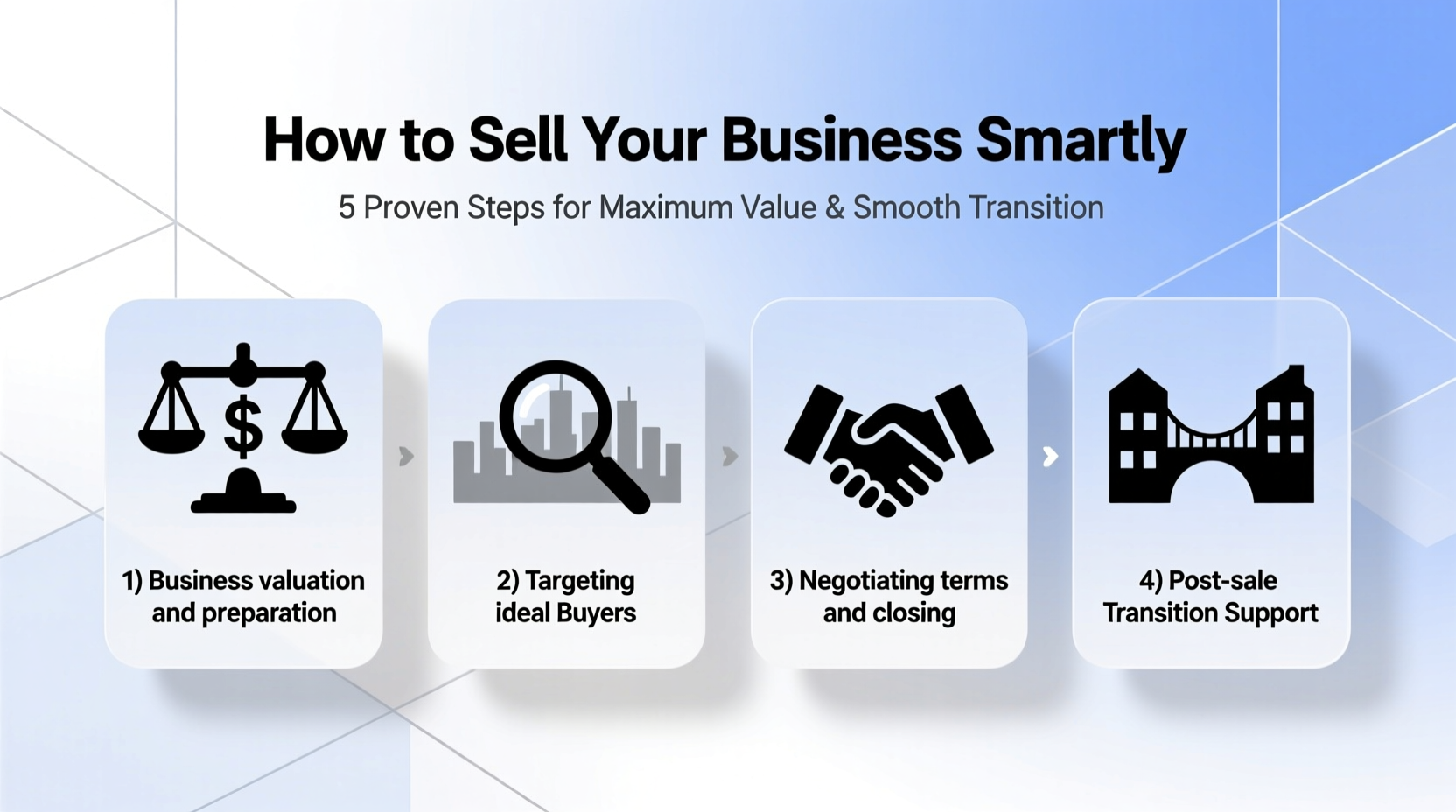
Before listing your business, take an honest look at its current state. Is it financially healthy? Are operations streamlined? Do customer contracts provide recurring revenue? Buyers scrutinize every aspect, so gaps in documentation, inconsistent profits, or over-reliance on the owner are red flags.
Equally important is defining your personal goals. Are you aiming for maximum price, a quick sale, or a structured transition where you stay involved temporarily? Knowing this shapes your approach—whether you target strategic buyers willing to pay a premium or private equity firms focused on scalability.
Determine Accurate Business Valuation
Overpricing deters serious buyers; underpricing leaves money on the table. Valuation isn’t just about past earnings—it’s about risk, growth potential, industry trends, and market comparables.
Common methods include:
- Multiple of Earnings (SDE or EBITDA): Small businesses often use Seller’s Discretionary Earnings (SDE), while mid-sized companies rely on EBITDA multiples.
- Asset-Based Valuation: Useful for capital-intensive businesses with significant tangible assets.
- Market Approach: Compares recent sales of similar businesses in your industry and region.
“Accurate valuation starts with clean financials. If your books aren’t audit-ready, buyers will assume the worst.” — Linda Torres, M&A Advisor, Beacon Capital Group
Hiring a professional appraiser or business broker adds credibility and helps defend your asking price during negotiations.
Prepare Your Business for Maximum Appeal
First impressions matter—even in B2B transactions. A well-prepared business sells faster and at a higher multiple. Focus on three key areas:
- Financial Documentation: Ensure three years of profit-and-loss statements, balance sheets, tax returns, and cash flow statements are accurate and organized.
- Operational Efficiency: Document standard operating procedures (SOPs). Reduce dependency on the owner by empowering management.
- Customer & Contract Strength: Highlight recurring revenue, long-term client relationships, and diversified customer bases.
| Preparation Area | Do’s | Don’ts |
|---|---|---|
| Financials | Use GAAP-compliant accounting; reconcile all accounts | Mix personal and business expenses |
| Employees | Document roles; train leadership | Let key staff operate without oversight |
| Marketing | Create a professional information memorandum | Disclose sensitive data upfront |
Real Example: How a Restaurant Chain Increased Its Sale Price by 35%
Mark Chen owned a regional chain of five fast-casual restaurants. Initially, brokers valued his business at $1.2 million based on SDE. But Mark invested six months preparing: he systematized recipes and training, signed multi-year leases, and hired a general manager to run day-to-day operations. He also cleaned up his books and separated his personal vehicle lease from business expenses.
When relisted, the same broker revised the valuation to $1.6 million. A franchise operator acquired the business, citing “transferability and reduced owner dependence” as key reasons for the premium offer. Mark’s preparation didn’t just speed up the sale—it added nearly half a million dollars to his return.
Choose the Right Selling Strategy and Channels
How you sell matters as much as how you prepare. Options include:
- Business Brokers: Ideal for small to mid-sized businesses. They maintain buyer networks, handle marketing discreetly, and manage negotiations.
- M&A Advisors: For larger transactions ($5M+), they offer deeper financial modeling and access to institutional buyers.
- Direct Outreach: Strategic competitors may pay more, but identifying them requires research and tact.
- Online Marketplaces: Platforms like BizBuySell or FE International work for smaller deals but attract less qualified buyers.
Confidentiality is critical. Announce the sale internally only when necessary, and use non-disclosure agreements (NDAs) before sharing details.
Step-by-Step Timeline: 12-Month Roadmap to Selling
- Month 1–3: Assess readiness, set goals, hire advisor if needed.
- Month 4–6: Improve financials, document operations, boost profitability.
- Month 7–8: Obtain formal valuation, finalize marketing materials.
- Month 9: List with broker or begin targeted outreach.
- Month 10–11: Field inquiries, qualify buyers, enter negotiations.
- Month 12+: Due diligence, legal review, closing.
“Timing the market is less important than being ready when the right buyer appears.” — Daniel Reeves, Investment Banker, Summit Transactions
Avoid Common Pitfalls That Derail Sales
Even well-prepared sellers stumble. Common mistakes include:
- Emotional Pricing: Attaching sentimental value inflates expectations.
- Withholding Information: Omitting pending lawsuits or customer churn destroys trust.
- Rushing Due Diligence: Skipping buyer background checks risks failed closings.
- Neglecting Tax Planning: Structuring the deal as asset vs. stock sale impacts after-tax proceeds significantly.
Work with a CPA and attorney early to model different sale structures and minimize liabilities.
Frequently Asked Questions
How long does it typically take to sell a business?
From listing to close, most small to mid-sized businesses take 6 to 12 months. Factors like pricing accuracy, market demand, and complexity of due diligence affect timeline. Businesses priced correctly and professionally presented often receive offers within 90 days.
Should I sell to employees, family, or outside buyers?
Each option has trade-offs. Selling to employees (via ESOP or installment plan) preserves culture but may lack capital. Family sales simplify communication but risk personal relationships. Outside buyers often pay more but may rebrand or downsize. Align the choice with your financial and legacy goals.
What documents do I need for due diligence?
Buyers will request: financial statements, tax returns, leases, employee contracts, customer lists, intellectual property records, and organizational charts. Prepare a secure virtual data room with categorized, labeled files to streamline access.
Final Checklist: Key Actions Before You Sell
- ✅ Obtain a professional business valuation
- ✅ Clean up financial statements and separate personal expenses
- ✅ Document SOPs and reduce owner dependency
- ✅ Choose a broker or advisor with industry experience
- ✅ Prepare a confidential information memorandum (CIM)
- ✅ Consult a tax advisor on optimal deal structure
- ✅ Screen buyers with NDAs before sharing sensitive data
Conclusion: Take Control of Your Exit with Confidence
Selling a business isn’t a one-off event—it’s the culmination of years of effort, and it deserves careful stewardship. By preparing early, valuing accurately, and executing strategically, you position yourself for a transaction that reflects your true worth. Whether you’re aiming for full liquidity or a gradual transition, the smartest sellers are those who act with clarity, not urgency.




 浙公网安备
33010002000092号
浙公网安备
33010002000092号 浙B2-20120091-4
Comments
No comments yet. Why don't you start the discussion?