
Starting a clothing business is more than just designing stylish apparel—it’s about building a brand, understanding your market, and executing a strategic plan from concept to customer. While the fashion industry is competitive, it remains accessible to entrepreneurs who combine creativity with sound business practices. With careful planning, lean operations, and customer-focused branding, you can launch a sustainable label that stands out. This guide walks through every critical phase of starting a clothing brand from zero, offering actionable insights and real-world strategies.
Define Your Niche and Target Market
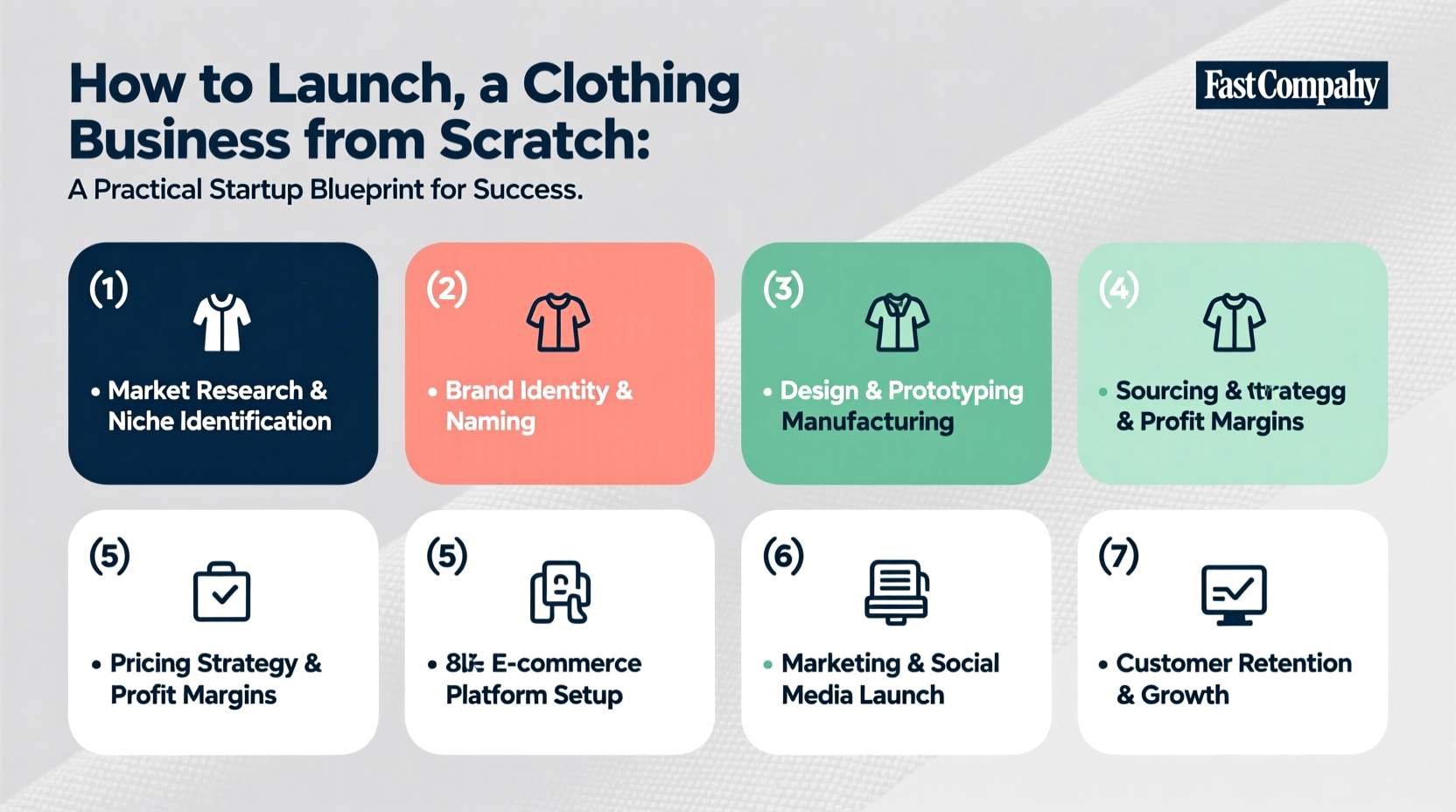
The foundation of any successful clothing brand is a clearly defined niche. Jumping into the market without a focused identity leads to diluted messaging and poor customer connection. Begin by asking: Who are you designing for? What problem does your clothing solve? Is it sustainability, affordability, inclusivity, or bold self-expression?
Conduct market research to identify gaps in current offerings. Study competitors not just in style but in pricing, distribution, and audience engagement. Use tools like Google Trends, social media analytics, and customer surveys to validate demand. For example, if you're drawn to eco-conscious activewear, examine brands like Girlfriend Collective or Tentree—not to copy them, but to understand what they do well and where opportunities remain unmet.
Key Questions to Clarify Your Positioning
- What values does my brand stand for?
- Who is my ideal customer (age, lifestyle, income level)?
- Where will they shop—online, pop-ups, boutiques?
- What price point aligns with their expectations and my margins?
“Brands that win today aren’t just selling clothes—they’re selling identity and belonging.” — Jasmine Lee, Fashion Entrepreneur & Founder of Thread Theory
Create a Lean Business Plan
A formal business plan doesn’t need to be 50 pages long. For startups, a concise one-page plan covering mission, model, market, and money is often more effective. This document keeps you aligned and is essential when seeking funding or partnerships.
Essential Components of a Clothing Startup Plan
| Section | Description |
|---|---|
| Mission Statement | Briefly state your brand’s purpose beyond profit (e.g., “Empowering women over 40 with confidence through timeless silhouettes”) |
| Revenue Model | Direct-to-consumer e-commerce, wholesale, subscription box, etc. |
| Startup Costs | Design, sampling, website, initial inventory, marketing (~$3,000–$15,000 depending on scale) |
| Pricing Strategy | Keystone markup (2x cost) is standard; ensure margin covers returns, ads, and overhead |
| Growth Timeline | Phase 1: Launch MVP collection; Phase 2: Add seasonal drops; Phase 3: Expand channels |
Your plan should also include a break-even analysis. If your average garment costs $25 to produce and ship, and you sell it for $75, your gross profit is $50. After factoring in platform fees (3%), marketing (15%), and operations (10%), your net margin may be closer to 22%. You’ll need volume—or loyal repeat customers—to scale profitably.
Sourcing Materials and Manufacturing
One of the most complex steps is finding reliable suppliers. Many new designers assume overseas factories are cheaper, but minimum order quantities (MOQs) can range from 300–1,000 units per style—prohibitively high for beginners.
Consider starting locally or regionally with small-batch manufacturers. Platforms like Sewport or Maker’s Row connect designers with vetted ateliers willing to work on smaller runs. Alternatively, use print-on-demand services like Printful or Awkward Styles to test designs without inventory risk.
Do’s and Don’ts of Sourcing
| Do | Don't |
|---|---|
| Request fabric swatches before ordering | Assume all “organic cotton” is equal—ask for certifications |
| Start with 3–5 core styles instead of 20 | Overcommit to large orders before validating demand |
| Negotiate payment terms (e.g., 50% deposit, 50% on delivery) | Pay full upfront without a contract |
Build a Brand Identity and Launch Online
Your brand is more than a logo—it’s the entire experience from unboxing to Instagram storytelling. Invest time in crafting a cohesive visual language: color palette, typography, packaging, and tone of voice.
Choose a memorable brand name and secure the domain and social handles early. Use platforms like Shopify or Big Cartel to build a professional storefront. Include high-quality product photos, detailed size guides, and compelling product descriptions that speak to your customer’s aspirations.
Launch Checklist: First Collection
- Finalize 3–5 signature pieces with consistent styling
- Hire a photographer or use mockup tools for visuals
- Set up secure payment gateways and shipping options
- Write a brand story page explaining your mission
- Launch with an email list (start collecting pre-launch via landing page)
- Run a soft launch with friends/family for feedback
Marketing doesn’t start after launch—it starts before. Build anticipation through behind-the-scenes content on TikTok or Instagram Reels. Share fabric selections, sketch concepts, and factory visits to humanize your process.
Real Example: From Dorm Room to DTC Success
In 2020, Maya Chen, a college student in Portland, launched “Low Tide,” a minimalist swimwear line made from recycled nylon. She started with $800 saved from part-time jobs. Using a local seamstress, she produced 50 units of her first two-piece design. She photographed the collection herself on friends at the beach and sold out within three weeks via Instagram DMs and a simple Shopify store.
Instead of reinvesting in more inventory immediately, she used customer feedback to refine sizing and introduced a second color. Within six months, she was fulfilling 200+ orders monthly and landed a feature in a regional lifestyle magazine. Today, Low Tide generates six figures annually, primarily through organic social growth and word-of-mouth referrals.
Her advice? “Don’t wait for perfection. Launch with what you have, learn fast, and let your customers shape the next version.”
Scale Strategically and Avoid Burnout
Early success can tempt founders to expand too quickly—adding too many SKUs, hiring prematurely, or overspending on ads. Sustainable growth means measuring unit economics closely.
Track key metrics: Customer Acquisition Cost (CAC), Lifetime Value (LTV), return rate, and conversion rate. Aim for an LTV:CAC ratio of at least 3:1. If you spend $20 to acquire a customer who spends $60 on average, you’re in a healthy zone.
Reinvest profits wisely. Prioritize improvements that enhance customer experience—better packaging, faster shipping, loyalty programs—over flashy expansions. Consider collaborations with complementary brands or pop-up events to grow visibility without heavy ad spend.
Frequently Asked Questions
How much does it cost to start a clothing line?
It varies widely. A micro-brand using print-on-demand can launch for under $1,000. A small batch of custom-designed garments (50–100 units) might cost $3,000–$7,000 including samples, photography, and website setup. The largest expenses are usually production, branding, and initial marketing.
Do I need a fashion degree to succeed?
No. While design skills help, many successful founders partner with freelance designers or use tech-enabled platforms. Business acumen, customer insight, and persistence matter more than formal training. Learning pattern-making or using pre-existing templates can reduce barriers.
How do I protect my designs?
Clothing designs are generally not protected by copyright, but trademarks can safeguard your brand name and logo. In the U.S., file with the USPTO. For unique prints or patterns, consider registering as artwork. Keep design records and contracts with manufacturers to establish ownership.
Conclusion: Start Small, Think Long-Term
Building a clothing brand from scratch is a marathon, not a sprint. The most enduring labels didn’t begin with runway shows or celebrity endorsements—they began with a clear vision, scrappy execution, and relentless attention to customer needs. By focusing on a specific audience, controlling costs, and iterating based on real feedback, you can grow a brand that resonates and lasts.




 浙公网安备
33010002000092号
浙公网安备
33010002000092号 浙B2-20120091-4
Comments
No comments yet. Why don't you start the discussion?