
In a world where remote work has become the norm for millions, carving out a dedicated workspace at home is no longer optional—it’s essential. But when your living space is limited to a compact urban apartment, creating a functional and inspiring home office can feel like an impossible puzzle. The good news? With thoughtful planning, strategic furniture choices, and clever design hacks, even the tiniest corner can transform into a high-performing productivity hub.
The goal isn’t just to fit a desk and chair into a small room. It’s about designing a space that supports focus, minimizes clutter, and seamlessly integrates with your lifestyle. Whether you’re working from a studio apartment, a converted closet, or a shared bedroom, this guide delivers practical, tested solutions to help you build a workspace that works—without expanding your square footage.
Assess Your Space and Prioritize Function
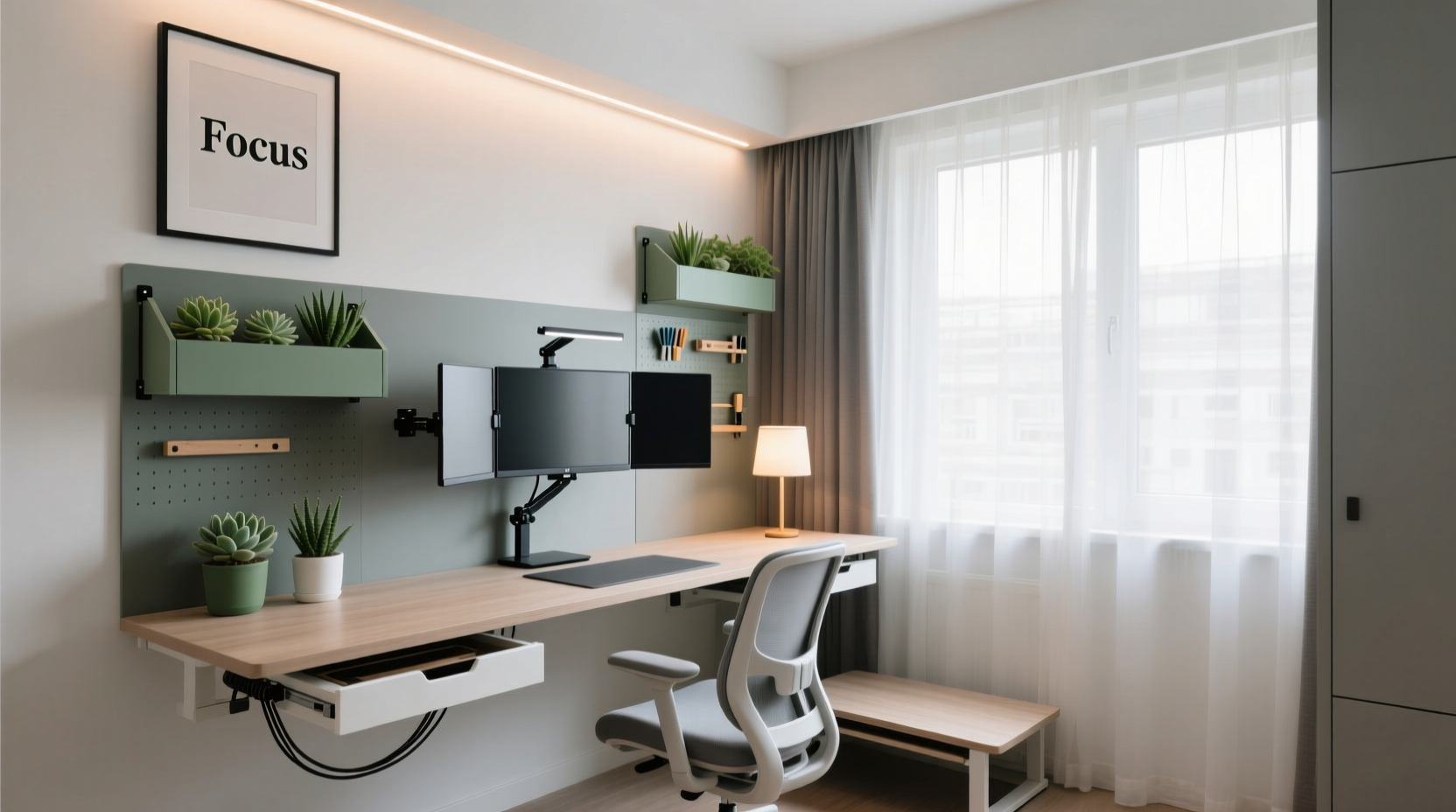
Before purchasing any furniture or supplies, take a clear-eyed look at your available space. Walk through your apartment and identify potential zones: a quiet corner near a window, a section of the living room, or even behind a sofa. Measure the area precisely—width, depth, ceiling height—and sketch a rough layout on paper or use a free room-planning app.
Ask yourself: What kind of work do I do? Do I need multiple monitors, physical filing, or frequent video calls? Answering these questions will determine how much surface area, storage, and privacy you require. For example, a graphic designer might prioritize desk depth and cable management, while a writer may value natural light and noise reduction.
Avoid the temptation to fill every inch of space. Leave at least 24–30 inches behind the chair for comfortable movement. If possible, position your desk perpendicular to a wall to maintain openness in the room. In micro-apartments, multifunctionality is key—one piece should ideally serve more than one purpose.
Choose Space-Saving Furniture Wisely
Furniture selection makes or breaks a small home office. Opt for pieces designed specifically for compact spaces: wall-mounted desks, fold-down tables, nesting units, and vertical storage systems. These not only save floor space but also create a sense of order and intentionality.
Consider a wall-mounted drop-leaf desk. When open, it provides enough surface for a laptop and notebook; when closed, it disappears into the wall like a piece of art. Pair it with a slim, stackable stool or a rolling task chair that tucks neatly underneath.
| Furniture Type | Best For | Space-Saving Benefit |
|---|---|---|
| Wall-mounted desk | Tiny corners, studio apartments | Folds away when not in use |
| Nesting desks | Multi-monitor setups occasionally used | Expands only when needed |
| Ladder shelf | Books, decor, supplies | Uses vertical space efficiently |
| Storage ottoman | Seating + document storage | Doubles as seat and hidden cabinet |
| Floating shelves | Displaying essentials, reducing desk clutter | Keeps surfaces clear, eye-level access |
Desks with built-in drawers or under-shelf baskets maximize utility without adding bulk. Look for models with integrated power strips or USB ports to reduce cord clutter. Avoid oversized executive desks—they dominate small rooms and make them feel cramped.
“Small-space design is about editing, not filling. Every item in a tiny home office must earn its place.” — Lena Tran, Interior Designer & Small Space Specialist
Create Zones Without Walls
In open-plan or multi-use spaces, defining boundaries is crucial. You don’t need drywall to create separation. Use rugs, lighting, furniture arrangement, and visual cues to signal “this is my office.”
Place a small area rug under your desk and chair to anchor the workspace. Choose a color or texture that contrasts with the rest of the floor, reinforcing the zone’s identity. Overhead, hang a pendant light directly above the desk. Lighting psychology shows focused illumination increases alertness and signals “work time” to your brain.
If your office shares space with the bedroom or living area, use a room divider. Options include:
- A tall bookshelf (open-back for sightlines)
- A folding screen with acoustic padding
- A curtain on a ceiling track
- A low console table with plants on top
These dividers offer subtle separation without blocking light or making the space feel smaller. For added functionality, choose a shelving unit that stores office supplies on one side and books or decor on the other.
Maximize Vertical and Hidden Storage
Floor space is precious in a tiny apartment. Shift your storage strategy upward. Install floating shelves above your desk for frequently used items: notebooks, headphones, pens. Use pegboards or magnetic strips to hang tools, scissors, or even lightweight speakers.
Go beyond walls. Utilize often-overlooked areas:
- Inside cabinet doors: attach adhesive hooks for cords or sticky trays for thumb drives.
- Under-desk mounts: secure a keyboard tray or small drawer for mouse and dongles.
- Back of the door: install an over-door organizer with pockets for files or tablets.
For document storage, ditch bulky filing cabinets. Instead, use slim, vertical file boxes that slide behind a bookshelf or under a console. Label clearly and limit yourself to three active categories—archive the rest digitally.
Cable management is non-negotiable. Tangled cords drain mental energy. Use twist ties, velcro straps, or adhesive clips to bundle wires. Run them along baseboards or behind furniture. A simple fabric sleeve can hide a cluster of cords running from desk to outlet.
Step-by-Step: Build a Hidden Office Nook
- Identify a recessed wall or unused alcove. Even 36 inches of depth can house a mini workstation.
- Install a floating desk surface. Cut a sturdy wood plank to size and mount with heavy-duty brackets.
- Add overhead shelves. One or two levels provide storage without overwhelming the space.
- Mount task lighting. A swing-arm LED lamp saves surface space and directs light exactly where needed.
- Use a foldable or wall-mounted chair. Or opt for a cushioned bench that doubles as storage.
- Personalize minimally. One plant, a framed quote, or a small artwork keeps the mood uplifted without clutter.
Real-Life Example: Maya’s Studio Apartment Transformation
Maya, a freelance copywriter living in a 400-square-foot Brooklyn studio, struggled with distractions and disorganization. Her laptop lived on the couch, leading to back pain and blurred work-life boundaries. She decided to reclaim a 5-foot-wide alcove next to her kitchenette.
She installed a white wall-mounted desk (30” x 20”) with a matching floating shelf above. Below, she placed a narrow rolling cart for supplies—tucked away when guests arrived. A $40 IKEA mirror mounted on the adjacent wall created the illusion of depth. She added a single hanging plant and a warm-toned desk lamp.
The result? A defined workspace that took five minutes to set up each morning and disappeared just as fast. Within two weeks, Maya reported a 30% increase in daily output and fewer headaches. “It’s not big,” she said, “but it feels like mine. That makes all the difference.”
Essential Checklist: Tiny Home Office Setup
Follow this checklist to ensure your micro office is both functional and sustainable:
- ✅ Measure your space and mark clearances
- ✅ Choose a compact, multi-functional desk
- ✅ Select an ergonomic chair that fits under the desk
- ✅ Install at least one layer of task lighting
- ✅ Plan cable routes and conceal cords
- ✅ Use vertical storage (shelves, pegboards, wall organizers)
- ✅ Define the zone with rug, lighting, or divider
- ✅ Limit decorative items to 3–5 meaningful pieces
- ✅ Go digital: scan documents, use cloud storage
- ✅ Schedule a weekly 10-minute reset to declutter
Frequently Asked Questions
Can I have a home office in a bedroom without disrupting sleep?
Yes—but strict boundaries are essential. Avoid facing your bed while working. Use a room divider or angle the desk toward a window. At the end of the day, shut down your computer, cover your desk with a decorative cloth, or close a sliding panel. This visual cue helps your brain transition from work to rest.
What if I don’t have any spare wall space?
Focus on furniture that serves dual roles. A console table behind the sofa can double as a desk. A dining table with a designated “office corner” works if you stick to a schedule. Use mobile solutions like a laptop stand on wheels or a tray that converts your coffee table into a temporary workspace—just pack it away after use.
How do I stay organized with limited storage?
Adopt a “one in, one out” rule. For every new notebook or gadget, remove an old one. Digitize receipts, manuals, and reference materials. Use labeled bins or drawers with dividers. Audit your supplies monthly—donate what you haven’t used in 90 days.
Final Thoughts: Small Space, Big Impact
A tiny apartment doesn’t mean compromising on professionalism or productivity. In fact, constraints often spark creativity. By focusing on intentionality, ergonomics, and smart design, you can build a home office that enhances your workflow—not hinders it.
The most effective small offices aren’t defined by size, but by clarity of purpose. Every object has a role. Every square inch earns its keep. And every day begins with a space that invites focus, not frustration.




 浙公网安备
33010002000092号
浙公网安备
33010002000092号 浙B2-20120091-4
Comments
No comments yet. Why don't you start the discussion?