
For many households, putting up the Christmas tree marks the true beginning of the holiday season. The scent of pine, the sparkle of lights, and the shared laughter while hanging ornaments create lasting memories. But behind the festive joy, there’s often an unspoken tension: who takes on the responsibility of setting up the tree? Over time, this task can fall disproportionately on one person, leading to resentment or burnout. A rotating schedule ensures fairness, reduces stress, and keeps the tradition inclusive for everyone involved.
Whether you're managing a growing family, a group of roommates, or extended relatives sharing holiday duties, establishing a clear, agreed-upon rotation can transform a chore into a cherished shared ritual. This guide walks through everything you need to consider—from choosing the right method to handling exceptions—so your tree tradition remains joyful for years to come.
Why a Rotating Schedule Makes Sense
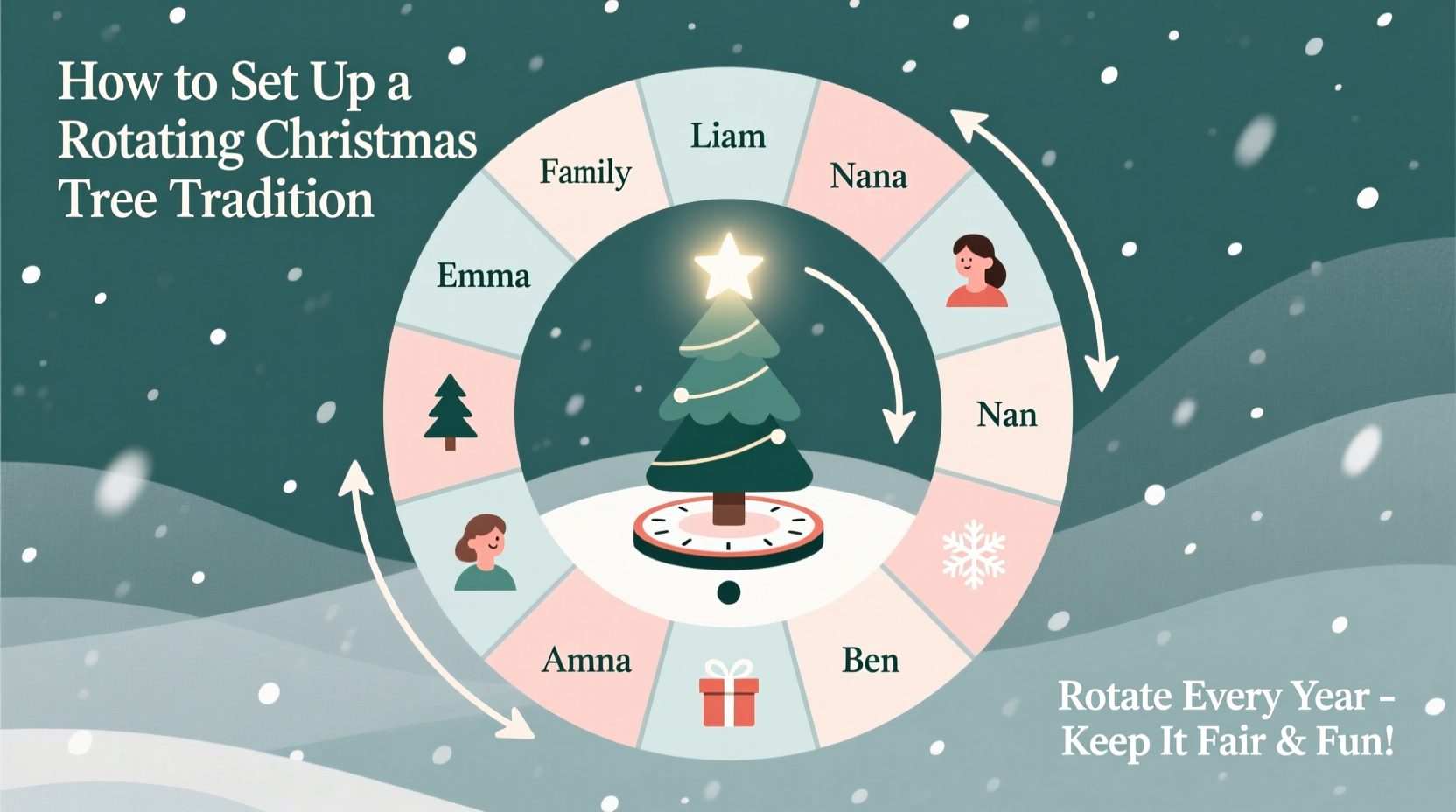
The Christmas tree setup is more than just decoration. It involves shopping for or retrieving the tree, assembly (real or artificial), watering, lighting, decorating, and later, breakdown and storage. These tasks can take several hours and require physical effort, creativity, and emotional energy. When one person consistently handles it all, the burden grows, especially during an already busy season.
A rotating system distributes responsibility equitably. It acknowledges that holiday traditions should be shared, not shouldered. More importantly, it fosters a sense of ownership and involvement across generations or household members. Children learn responsibility; adults share the load; and no one feels taken for granted.
“Shared traditions are strongest when everyone has a role. Rotation isn’t about passing the buck—it’s about building belonging.” — Dr. Lena Peterson, Family Rituals Researcher, University of Vermont
Step-by-Step Guide to Creating a Fair Rotation System
Setting up a rotation doesn’t have to be complicated. Follow these steps to design a system that works for your unique household dynamics.
- Identify All Participants: List everyone eligible to participate—adults, teens, older children, or even extended family if they help annually.
- Assess Availability and Preferences: Some may dislike certain aspects (e.g., climbing ladders, handling fragile ornaments). Discuss openly to assign roles that suit individuals.
- Choose a Rotation Method: Decide whether to rotate annually, by household, or via random draw. Simplicity is key.
- Document the Schedule: Write it down and share it. Use a family calendar, group chat, or printed chart on the fridge.
- Set Clear Expectations: Define what “putting up the tree” includes—decorating, lights, tinsel, skirt placement, etc.—to avoid confusion.
- Include Accountability: Agree on consequences or support if someone can’t fulfill their turn (e.g., swapping in advance).
- Review Annually: Reassess every year as kids grow, schedules change, or new members join.
Rotation Models That Work
No single system fits every family. Consider your group size, age range, and living arrangements when selecting a model.
1. Annual Alphabetical Rotation
Assign turns based on first names in alphabetical order. Each year, the next person takes over. Best for families with consistent annual participation.
2. Household-Based Rotation
If multiple families gather at one home each year (e.g., alternating between parents’ houses), let the hosting household lead the tree setup. This aligns responsibility with logistics.
3. Random Draw (Lottery Style)
Write names on slips, draw one each year. Adds excitement and fairness. Ideal for larger groups or friends sharing a space.
4. Age-Based Inheritance
When a child turns 16 or moves out, they start their own tradition. Until then, parents rotate or share duties. Works well in multigenerational homes.
5. Team Rotation
Pair people together—parent-child, siblings, or roommates—to share the task. Encourages bonding and reduces individual pressure.
| Model | Best For | Pros | Cons |
|---|---|---|---|
| Annual Alphabetical | Small families, consistent members | Predictable, easy to track | Rigid; hard to adjust mid-cycle |
| Household-Based | Families alternating hosts | Logically aligned with hosting | May favor one household long-term |
| Random Draw | Larger groups, informal settings | Fair, fun element of surprise | Unpredictable; some may dread it |
| Age-Based Inheritance | Multigenerational homes | Teaches independence | Not applicable for non-family groups |
| Team Rotation | Roommates, blended families | Builds teamwork, less pressure | Requires coordination between pairs |
Real Example: The Thompson Family Rotation
The Thompsons, a family of six across three generations, used to argue every December about who would set up the tree. For years, Sarah, the eldest daughter, did it alone while others “helped” minimally. Resentment built until she threatened to skip the tradition altogether.
In response, they held a family meeting in October. They chose an annual alphabetical rotation among the five adult participants (excluding the youngest child). They created a shared Google Calendar event titled “Tree Duty – [Name]” for each year, with reminders set two weeks in advance. They also established a “Tree Kit”—a labeled bin with all decorations, lights, and tools—stored in the garage.
The first year under the new system, Mark (next in line alphabetically) took charge. He enlisted his teenage son to help, turning it into a father-son bonding night. The following year, Grandma Linda volunteered to decorate earlier due to her winter arthritis, and the group agreed to shift her turn forward. Flexibility within structure made the system sustainable.
Now in its fifth year, the rotation has become part of their identity. “It’s not just about the tree,” Sarah says. “It’s about knowing we’re all in this together.”
Handling Exceptions and Special Circumstances
No plan survives contact with reality unchanged. Life happens—someone gets sick, travels, or faces personal challenges. Build flexibility into your system from the start.
- Allow Swaps: Let participants trade years with mutual agreement. Document the change to avoid confusion.
- Designate a Backup: Assign a willing alternate in case of emergencies. Rotate the backup role separately.
- Adjust for Major Life Events: Pregnancy, new jobs, or grief may warrant a temporary pass. Handle with empathy, not guilt.
- Split Responsibilities If Needed: One person sets up the tree; another handles lights; a third decorates. Distribute micro-tasks fairly.
Checklist: Setting Up Your Tree Rotation Plan
Use this checklist to ensure your rotation is clear, fair, and sustainable:
- ☐ Gather all stakeholders for an open discussion
- ☐ Define what “tree duty” includes (setup, lights, decor, cleanup)
- ☐ Choose a rotation method that fits your group
- ☐ Create a written schedule (digital or printed)
- ☐ Share the schedule with reminders in place
- ☐ Prepare a centralized tree kit for efficiency
- ☐ Establish rules for swaps and backups
- ☐ Review and adjust the system annually
Frequently Asked Questions
What if someone refuses to participate?
Start with understanding. They may feel overwhelmed, lack confidence, or have negative associations with the task. Offer support—pair them with a mentor, simplify expectations, or let them contribute in smaller ways (e.g., buying ornaments). If refusal persists, discuss how shared traditions require shared effort. In extreme cases, redistribute the load among willing members, but address the imbalance openly.
Can kids be part of the rotation?
Yes, but with age-appropriate roles. Younger children can help with safer tasks like hanging unbreakable ornaments or sorting tinsel. Rotate leadership among teens who can handle full responsibility. This builds lifelong habits and emotional investment in family rituals.
How do we handle it if we use a real tree one year and artificial the next?
Clarify expectations each year. Real trees require more labor (cutting, watering, disposal), so consider adjusting responsibilities accordingly. You might give the person in charge extra help or a small budget for assistance. The key is transparency and adaptability.
Making the Tradition Last
A rotating Christmas tree schedule isn’t just about logistics—it’s about preserving the spirit of the season. When responsibility is shared, the act of decorating becomes less of a chore and more of a collective celebration. It teaches accountability, empathy, and the value of contributing to something bigger than oneself.
The goal isn’t perfection. It’s progress. Some years will be smoother than others. Lights will tangle, ornaments will break, and someone might forget to buy a stand. But when the tree finally glows in the corner, lit by hands that took turns caring for it, the warmth reflects more than electricity—it reflects unity.
“The most beautiful ornament on any tree is the effort of those who put it up together.” — Rev. Daniel Cho, Community Traditions Advocate
Final Call to Action
This holiday season, don’t let tradition rest on one pair of shoulders. Take thirty minutes now to talk, plan, and agree on a rotation that honors everyone’s time and energy. Write it down. Share it. Stick to it—with kindness and flexibility. Whether you’re a family of four or a group of roommates starting your first holiday together, a fair system today builds stronger memories tomorrow.




 浙公网安备
33010002000092号
浙公网安备
33010002000092号 浙B2-20120091-4
Comments
No comments yet. Why don't you start the discussion?