
Starting an online store has never been more accessible. With the right approach, even complete beginners can launch a profitable e-commerce business from scratch. The digital marketplace is growing rapidly, and consumers increasingly prefer shopping online for convenience and variety. However, success doesn’t come from simply listing products—it requires strategy, planning, and execution. From choosing a winning product niche to mastering customer acquisition, every step shapes your store’s potential.
Choose a Profitable Niche and Validate Demand
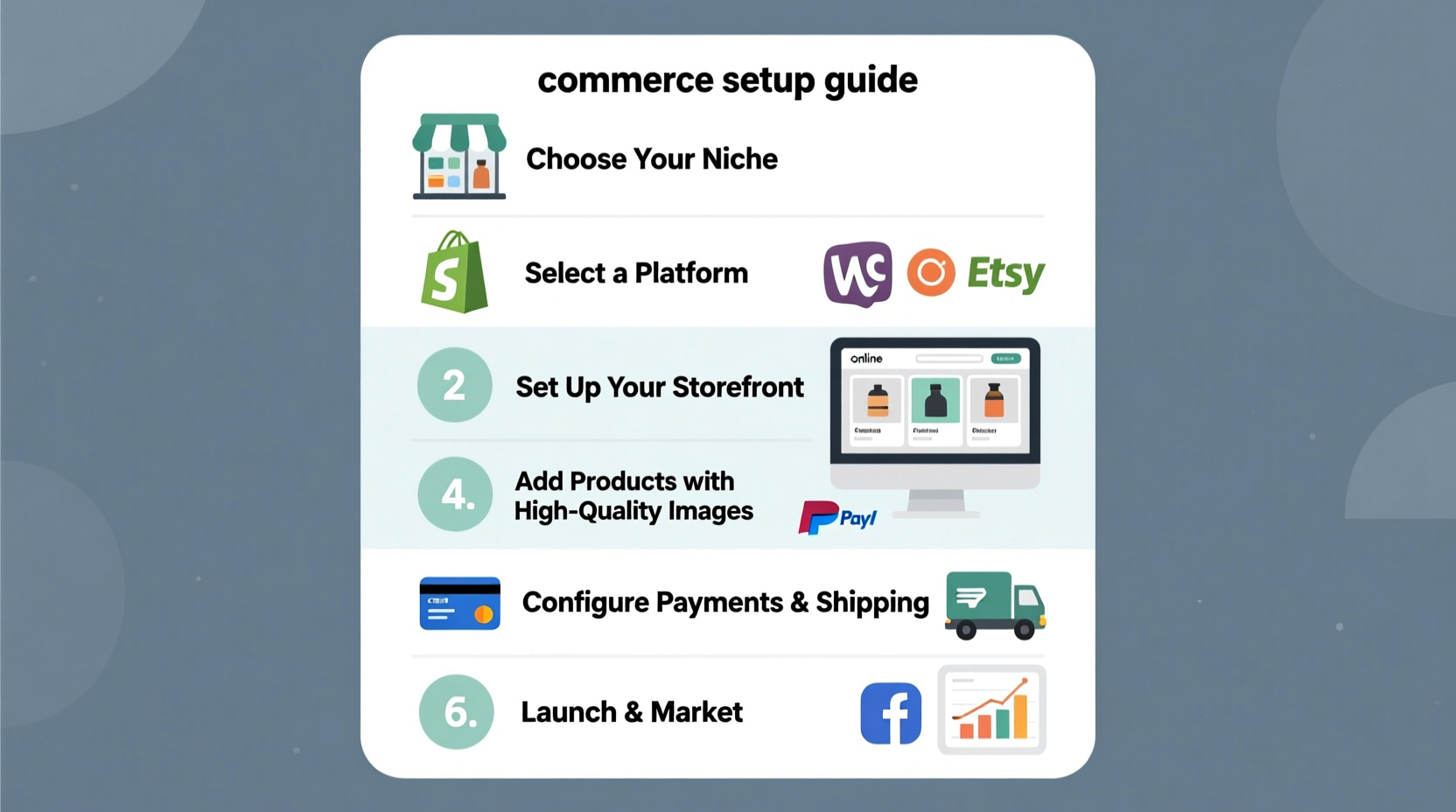
The foundation of any successful online store is a well-researched niche. A niche defines your target audience and helps you stand out in a crowded market. Instead of selling everything, focus on a specific category—like eco-friendly pet supplies, minimalist home office gear, or sustainable activewear.
To validate demand, use tools like Google Trends, Amazon Best Sellers, and social media insights. Look for consistent search volume and engagement around your niche topics. Ask yourself: Is there a problem my product solves? Are people already searching for solutions?
Plan Your Business Model and Legal Structure
Before building your website, decide how you’ll operate. Will you handle inventory (dropshipping vs. holding stock), manage shipping, or offer digital products? Each model has different costs and responsibilities.
- Dropshipping: Low upfront cost; supplier ships directly to customers.
- Private Label: Customize existing products with your branding.
- Handmade/DIY: Create unique items yourself—ideal for crafters and artisans.
- Digital Products: Sell printables, courses, or templates with no physical shipping.
You’ll also need to register your business legally. Choose a structure—sole proprietorship, LLC, or corporation—based on liability protection and tax needs. Register your business name, obtain necessary licenses, and open a separate bank account to keep finances organized.
“Clarity in your business model early on prevents costly pivots later.” — Sarah Lin, E-Commerce Consultant & Founder of StoreFlow Academy
Build Your Online Store: Platform, Design, and Setup
Selecting the right e-commerce platform is critical. Each offers different levels of customization, scalability, and ease of use.
| Platform | Best For | Monthly Cost (Est.) | Key Advantage |
|---|---|---|---|
| Shopify | Beginners, all-in-one solution | $29–$299 | Easy setup, 24/7 support, app ecosystem |
| WooCommerce (WordPress) | Customization, control | $10–$100+ (hosting + plugins) | Full ownership, SEO-friendly |
| BigCommerce | Scaling fast-growing stores | $29–$299 | Built-in features, no transaction fees |
| Squarespace | Aesthetic-focused brands | $26–$45 | Beautiful templates, simple interface |
Once your platform is chosen, focus on design. Use clean layouts, mobile-responsive themes, and intuitive navigation. Essential pages include Home, Product Listings, About Us, Contact, and a clear Checkout process. High-quality product photos and compelling descriptions boost trust and conversions.
Step-by-Step: Launch Timeline (First 30 Days)
- Days 1–5: Finalize niche, source suppliers, and define brand identity (name, logo, values).
- Days 6–10: Set up legal structure, register domain, choose e-commerce platform.
- Days 11–15: Build core site pages, upload first 5–10 products with optimized descriptions.
- Days 16–20: Configure payment gateways (PayPal, Stripe), set up shipping rules.
- Days 21–25: Test checkout flow, fix bugs, run speed optimization.
- Days 26–30: Soft launch to friends/family, collect feedback, go live publicly.
Marketing and Customer Acquisition Strategies
Your store won’t succeed without visibility. Even the best-designed site needs traffic. Begin with low-cost, high-impact strategies:
- Search Engine Optimization (SEO): Optimize product titles, descriptions, and blog content around keywords people actually search for.
- Social Media Marketing: Share behind-the-scenes content, user-generated photos, and short videos on Instagram, TikTok, or Pinterest.
- Email List Building: Offer a discount in exchange for sign-ups. Use tools like Mailchimp or Klaviyo to automate follow-ups.
- Paid Ads: Start with small Facebook or Google ad budgets ($5–$10/day) to test what converts.
Focus on building relationships, not just sales. Engage with comments, answer questions promptly, and create content that educates or entertains your audience.
Mini Case Study: From Side Hustle to Six Figures
Jamie started a Shopify store selling ergonomic desk cushions after noticing frequent complaints in remote work forums. She sourced samples from Alibaba, tested three designs with a small Facebook ad campaign, and refined her top seller based on feedback. Within six months, she was generating $12,000 in monthly revenue by combining influencer collaborations, SEO-optimized blog posts (“Best Desk Setup for Back Pain”), and email automation. Her key insight? “Listen to real customer pain points—they tell you exactly what to sell.”
Frequently Asked Questions
How much does it cost to start an online store?
Startup costs vary widely. A basic Shopify plan starts at $29/month, plus a domain (~$12/year). If dropshipping, initial product investment can be under $100. Factor in marketing, photography, and apps—budget $200–$500 for a lean launch.
Do I need technical skills to build an online store?
No. Platforms like Shopify and Squarespace are designed for non-technical users. Most tasks involve drag-and-drop editing, pre-built templates, and guided setup wizards. You can always hire freelancers for advanced customizations.
How long does it take to make a profit?
Most new stores break even within 6–12 months. Success depends on product-market fit, marketing consistency, and customer retention. Focus on learning and iterating—early losses are part of the journey.
Essential Pre-Launch Checklist
- ✅ Choose a memorable, available domain name
- ✅ Register business and obtain required permits
- ✅ Select reliable suppliers or finalize product creation
- ✅ Set up secure payment processing (credit cards, PayPal)
- ✅ Write clear return, refund, and privacy policies
- ✅ Optimize site for mobile devices
- ✅ Install analytics (Google Analytics or platform-native tools)
- ✅ Test order fulfillment process from start to finish
Conclusion: Take Action and Build Momentum
Setting up a successful online store isn’t about perfection—it’s about progress. The most effective entrepreneurs start small, learn quickly, and adapt based on real customer feedback. Every major e-commerce brand began with a single product and a simple website. Your journey starts the same way: with clarity, preparation, and the courage to hit “publish.”
Don’t wait for ideal conditions. Use the steps outlined here to build momentum today. Refine as you grow, stay customer-focused, and treat each challenge as a lesson. The digital economy rewards action, persistence, and authenticity.




 浙公网安备
33010002000092号
浙公网安备
33010002000092号 浙B2-20120091-4
Comments
No comments yet. Why don't you start the discussion?