
Keychains are more than just functional accessories—they’re powerful branding tools, thoughtful gifts, and low-cost impulse buys that can significantly boost customer loyalty and retail margins. For entrepreneurs, boutique owners, and gift shop operators, sourcing distinctive, high-quality keychains in bulk is a strategic move. But standing out in a crowded market requires more than generic metal tags. The real opportunity lies in offering original designs that resonate emotionally or culturally with customers. This guide walks through the practical steps to find, evaluate, and partner with suppliers who deliver truly unique wholesale keychains—without sacrificing quality or profitability.
Why Uniqueness Matters in Keychain Design
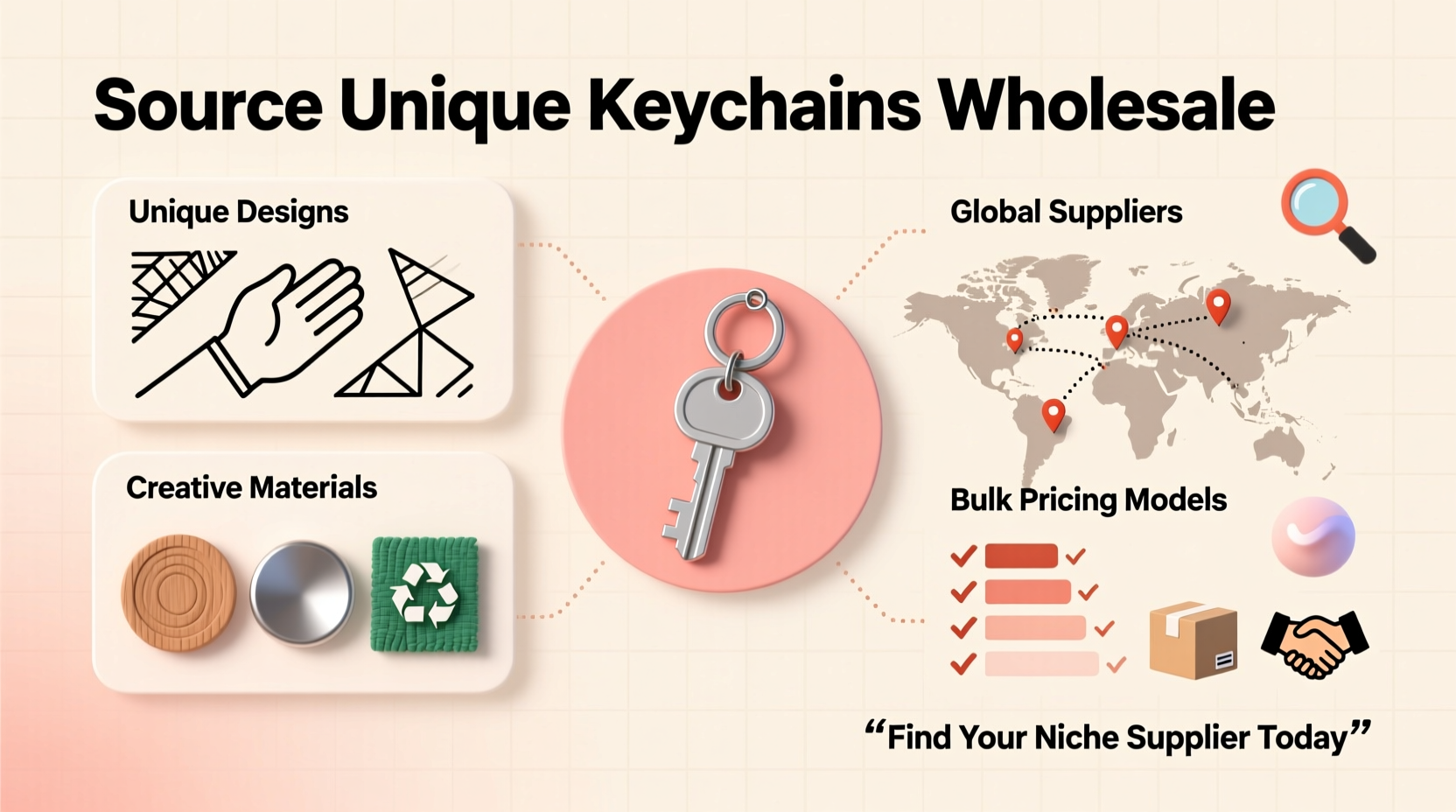
In a world saturated with mass-produced merchandise, consumers gravitate toward items that feel personal, artistic, or meaningful. A well-designed keychain can become a conversation starter, a souvenir of a memorable experience, or a subtle expression of identity. For businesses, this translates into higher perceived value and repeat purchases.
Generic logo-engraved keychains have their place, but they rarely inspire excitement. Unique keychains—those featuring handcrafted details, cultural motifs, sustainable materials, or interactive elements like spinners or mini puzzles—capture attention. They also align better with niche markets such as eco-conscious shoppers, pet lovers, or travel enthusiasts.
“Originality isn’t just about design—it’s about storytelling. The best-selling keychains often reflect a brand’s personality or tap into a shared emotion.” — Lena Torres, Product Curator at Urban Pop Collective
Step-by-Step Guide to Sourcing Creative Wholesale Keychains
Finding reliable suppliers who offer both creativity and scalability takes research and due diligence. Follow this structured approach to build a strong product pipeline.
- Define Your Niche and Audience: Are you targeting tourists, corporate clients, or fashion-forward millennials? Your ideal keychain style depends on buyer preferences. A beach resort might want seashell resin charms, while a tech startup may prefer sleek laser-cut metal tokens.
- Research Supplier Types: Explore manufacturers specializing in different materials—resin, wood, enamel, silicone, recycled metals. Each offers distinct creative possibilities.
- Use B2B Marketplaces Strategically: Platforms like Alibaba, Made-in-China, and Faire allow filtering by MOQ (minimum order quantity), customization options, and verified reviews. Look beyond the first page; smaller suppliers often offer more originality.
- Request Samples Before Committing: Never skip this step. Evaluate material quality, color accuracy, durability, and packaging. Pay attention to small details like clasp strength and edge finishing.
- Negotiate Customization Terms: Many wholesalers offer OEM/ODM services. Clarify costs for custom molds, Pantone color matching, or engraved serial numbers.
- Start Small, Scale Smart: Begin with a pilot order to test market response before placing large volume orders.
Top Supplier Channels and Where to Find Them
Different sourcing channels suit different business models. Consider these options based on your budget, volume needs, and design ambitions.
| Supplier Type | Best For | Pros | Cons |
|---|---|---|---|
| Alibaba & Global Sources | High-volume, cost-sensitive buyers | Low per-unit prices, vast selection, direct factory access | Risk of poor quality, long shipping times, communication barriers |
| Faire & Tundra | Boutique retailers, US/EU-focused brands | Net 30 payment terms, curated vendors, fast domestic shipping | Higher base prices, limited customization depth |
| Etsy Wholesale | Artisan-style, handmade keychains | Unique designs, eco-friendly materials, small MOQs | Not scalable for large volumes, longer production times |
| Local Craft Cooperatives | Community-driven brands, pop-up shops | Supports local economy, easy collaboration, sustainable sourcing | Limited capacity, higher labor costs |
Mini Case Study: How “TrailTales” Built a Best-Selling Keychain Line
TrailTales, a small outdoor gear brand based in Colorado, wanted to create a signature accessory that reflected its mission: connecting people with nature. Instead of standard engraved tags, they partnered with a family-run workshop in New Mexico that crafts keychains from reclaimed antler, birch wood, and recycled zippers.
The team worked closely with the artisans to develop a series of state-shaped keychains, each featuring a tiny engraved animal native to that region—like a moose for Wyoming or a roadrunner for Arizona. They launched with a limited run of 500 units across five states.
Within three months, the keychains sold out online and became a top seller at national park gift shops. Customers appreciated the authenticity and craftsmanship. TrailTales now produces seasonal editions and has expanded into international markets using the same supplier network.
Checklist: Evaluating a Keychain Supplier
- ✅ Do they provide real product samples upon request?
- ✅ Can they accommodate custom designs or private labeling?
- ✅ What is their minimum order quantity (MOQ)? Is it flexible?
- ✅ Are materials ethically sourced or eco-certified (e.g., FSC wood, recycled metal)?
- ✅ Do they offer drop-shipping or inventory holding services?
- ✅ What are lead times for production and shipping?
- ✅ Do they have third-party verification (e.g., ISO certification, trade licenses)?
- ✅ Is there clear communication in English (or your preferred language)?
Avoiding Common Sourcing Mistakes
Many new businesses rush into wholesale agreements without proper vetting, only to face delays, defective goods, or legal issues. Here are frequent pitfalls and how to avoid them.
- Ignoring MOQ Realities: Some suppliers require 1,000+ units. If your storage space or cash flow is limited, look for vendors with tiered ordering or print-on-demand options.
- Overlooking Packaging Costs: Custom boxes, branded pouches, or hangtags add up. Factor these into your unit cost calculation.
- Assuming All “Custom” Means Original: Some factories reuse existing molds and simply change colors or logos. Ask specifically if your design will be exclusive.
- Failing to Verify Intellectual Property Rights: If you're using licensed characters, trademarks, or copyrighted art, ensure the supplier won’t reproduce your design for others.
“Your keychain might be a $5 item, but it represents your brand every time someone reaches for their keys. Don’t treat sourcing as an afterthought.” — Raj Patel, Founder of MerchEdge Consulting
FAQ
Can I get fully customized keychains with low MOQs?
Yes—many suppliers on platforms like Etsy Wholesale or Printful offer custom keychains starting at 50–100 units. These are typically made via digital printing, laser cutting, or resin casting, which support small batches efficiently.
How do I protect my design from being copied?
Work with suppliers who sign non-disclosure agreements (NDAs). Additionally, register unique designs with your country’s intellectual property office when possible. Choose manufacturers with strong reputations for respecting exclusivity.
Are eco-friendly keychains more expensive to source?
Slightly. Materials like bamboo, organic cotton cords, or recycled aluminum may cost 10–25% more than conventional plastics or zinc alloys. However, many customers are willing to pay a premium for sustainable products, improving your margin potential.
Conclusion: Turn Keys Into Opportunities
Sourcing unique and creative keychains wholesale isn’t just about finding a cheap bulk vendor—it’s about building relationships with makers who share your vision for quality and originality. Whether you’re launching a lifestyle brand, expanding a retail line, or creating promotional giveaways, the right keychain can leave a lasting impression far beyond its price tag.
Take the time to explore diverse suppliers, insist on samples, and prioritize craftsmanship over speed. Test small batches, gather customer feedback, and refine your offerings. With the right strategy, a simple keychain can become one of your most recognizable and profitable products.




 浙公网安备
33010002000092号
浙公网安备
33010002000092号 浙B2-20120091-4
Comments
No comments yet. Why don't you start the discussion?