
For anime fans around the world, collecting official merchandise is more than a hobby—it’s a way to connect with beloved characters and stories. From plushies and figures to apparel and posters, authentic Japanese imports carry a level of craftsmanship and cultural significance that mass-produced knockoffs simply can’t replicate. Yet, as demand grows, so does the flood of counterfeit anime goods flooding online marketplaces. Distinguishing real from fake has become essential for collectors who value quality, authenticity, and ethical support of creators.
Spotting counterfeit anime merchandise isn't always obvious at first glance. Many fakes are now produced with convincing packaging and decent print quality, designed specifically to deceive eager fans. But by understanding the subtle—and not-so-subtle—differences between authentic imports and replicas, you can protect your investment and ensure every piece in your collection is genuine.
Understanding the Market: Why Fakes Thrive
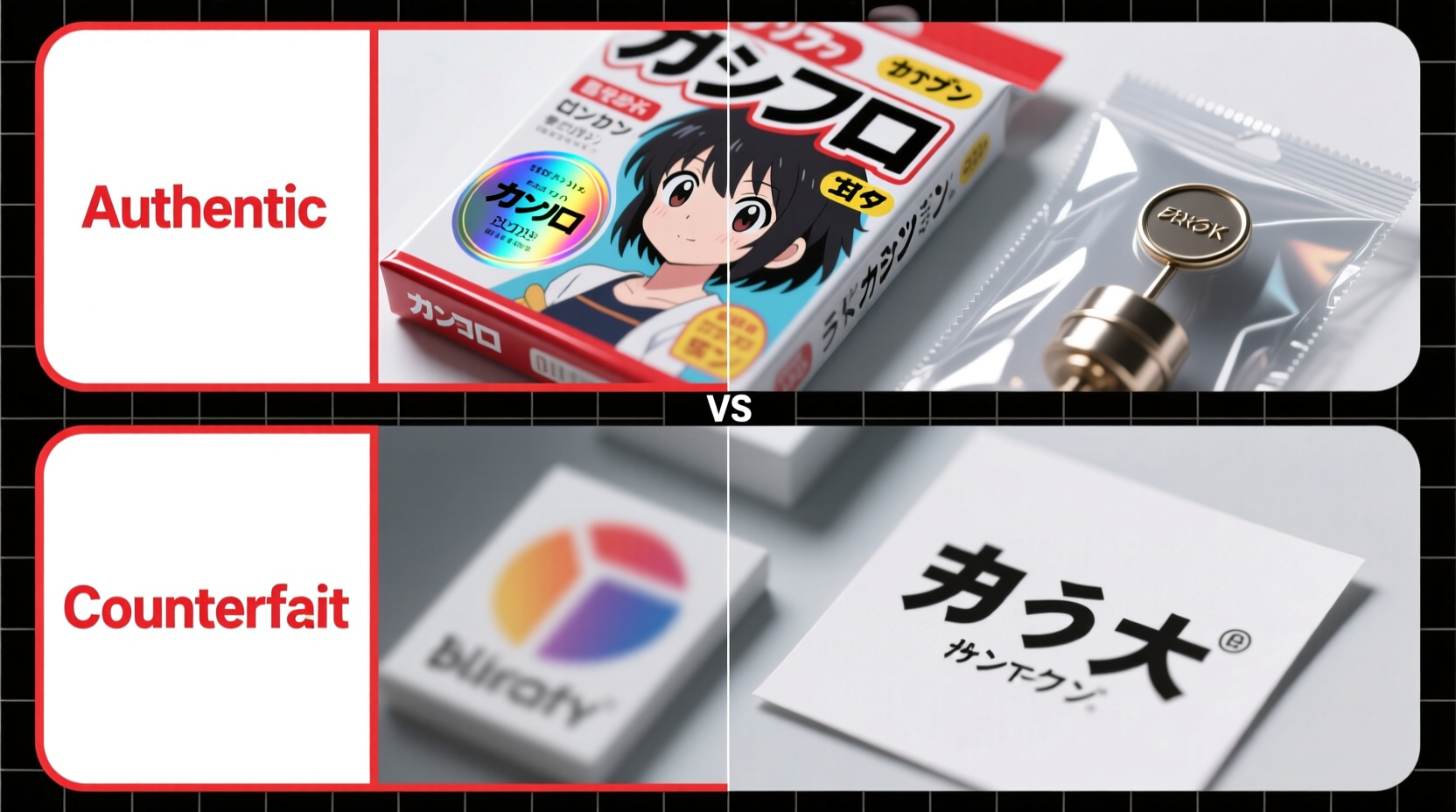
The global anime market exceeded $31 billion in 2023, with merchandise accounting for nearly half of that revenue. Licensed products are typically manufactured under strict supervision by Japanese companies like Animate, Good Smile Company, or Bandai Namco. These items often feature precise sculpting, vibrant colors, and high-grade materials—all hallmarks of meticulous production.
In contrast, counterfeiters operate outside licensing agreements, often based in regions with lax enforcement of intellectual property laws. Their goal is profit, not fidelity. While some knockoffs are crude, others mimic original designs closely enough to fool even seasoned buyers—especially when sold through third-party platforms where product verification is limited.
“Authentic anime merch reflects the care put into the source material. When you buy licensed goods, you're supporting the studios and artists behind the shows.” — Hiroshi Tanaka, Product Licensing Manager at Aniplex USA
Fake merchandise doesn’t just undermine creators financially; it often delivers poor durability and inaccurate details. A poorly painted figure may chip within weeks. A T-shirt with misaligned logos might fade after one wash. Worse, some counterfeit products use toxic dyes or substandard plastics unsafe for prolonged contact.
Key Differences Between Authentic and Fake Anime Merch
Discerning genuine items from counterfeits requires attention to detail across several categories. Here are the most reliable indicators to evaluate before making a purchase.
Packaging and Branding Accuracy
Official Japanese merchandise almost always features multilingual packaging—typically Japanese and English—with clean typography and consistent branding. Look for:
- Correct spelling of character names and series titles (e.g., “Sailor Moon” not “Saller Moon”)
- Presence of copyright lines such as “©Naoko Takeuchi / KODANSHA, TOEI ANIMATION”
- Official logo placements (Bandai, Animate, Megahouse, etc.)
- Holographic seals or tamper-evident stickers on premium items
Material Quality and Craftsmanship
Authentic figures are commonly made from PVC or ABS plastic with smooth finishes and sharp detailing. Counterfeit versions often use cheaper polyresin or brittle polystyrene, resulting in rough seams, uneven paint, or warped parts.
Textiles tell a similar story. Genuine anime apparel uses soft, breathable fabrics with double-stitched hems and accurate color gradients. Fake shirts frequently feel stiff, have pixelated prints, or bleed ink during washing.
Price vs. Value
If a Nendoroid figure is listed for $30 instead of its standard $50–$70 retail price, skepticism is warranted. While sales occur, deeply discounted \"rare\" items are red flags. Authentic Japanese imports involve import taxes, shipping costs, and licensing fees—all reflected in realistic pricing.
As a rule, if the deal seems too good to be true, it likely is.
Detailed Comparison: Real vs. Fake Indicators
| Feature | Authentic Merchandise | Fake Merchandise |
|---|---|---|
| Packaging | Crisp printing, official logos, multilingual text | Blurred text, missing copyrights, awkward translations |
| Logo & Copyright | Complete © line with studio and year | Missing, abbreviated, or incorrect © info |
| Paint Job (Figures) | Even coats, no overflow, fine linework | Smudged edges, visible brushstrokes, chipping |
| Art Accuracy | True to original character design | Off-model proportions, wrong eye color, mismatched outfits |
| Accessories | Includes all stated parts, interlocking joints fit snugly | Missing pieces, loose connectors, flimsy materials |
| Barcode/Serial Number | Present and verifiable via manufacturer database | Missing, duplicated, or non-functional scan |
Step-by-Step Guide to Verifying Authenticity
Follow this process whenever considering a new anime merchandise purchase, especially from unfamiliar sellers.
- Research the Official Release: Visit the manufacturer’s website (e.g., goodsmileshop.com) to confirm the item’s existence, release date, and MSRP.
- Inspect High-Resolution Photos: Zoom in on listing images. Check for texture clarity, font consistency, and accurate color rendering.
- Verify Seller Reputation: On eBay, Amazon, or Yahoo Japan auctions, review seller ratings, feedback history, and return policies.
- Look for Certificates or Receipts: Reputable import shops provide proof of purchase from Japan-based distributors.
- Compare Weight and Dimensions: Authentic PVC figures have noticeable heft. Lightweight models suggest hollow, low-density plastic.
- Scan Barcodes (if available): Use apps like QR Code Reader to confirm the code links to the official product page.
- Contact the Seller Directly: Ask specific questions about sourcing. Hesitation or vague answers are warning signs.
Real Example: The Case of the Misprinted Demon Slayer Poster
Rina, a university student and longtime fan of *Demon Slayer*, found what appeared to be an official Aniplex poster on a third-party marketplace. Priced at $18—nearly half the usual cost—and advertised as “imported from Japan,” it seemed like a steal. She ordered it without hesitation.
When the poster arrived, she noticed immediately that the background gradient was grainy and the character’s katana had the wrong hue. Upon closer inspection, the bottom corner lacked the expected copyright line and instead read “©2020 Koyoharu Gotouge/Shueisha.” Missing was the “/ TV TOKYO / Aniplex / Ufotable” extension required for official merchandise.
She contacted the seller, who claimed it was “a special edition.” Doubtful, Rina posted photos in a Facebook group for anime collectors. Within hours, multiple members confirmed it was a common counterfeit version traced to a Chinese warehouse. Though she received a refund, the experience taught her to scrutinize even seemingly minor details.
This case illustrates how easily emotional attachment to a series can cloud judgment—and why objective verification matters.
Checklist: Before You Buy Any Anime Merch
- ✅ Confirmed the item exists in the official catalog
- ✅ Checked packaging for correct fonts, logos, and language
- ✅ Verified presence of full copyright information
- ✅ Reviewed high-resolution photos for paint and sculpt accuracy
- ✅ Assessed seller reputation and return policy
- ✅ Compared price to average market value
- ✅ Sought community input if uncertain
Where to Buy Authentic Anime Merch
The safest route to genuine merchandise is purchasing through trusted channels. These include:
- Official Online Stores: Crunchyroll Store, Right Stuf Anime (now part of Crunchyroll), Animate International, Good Smile USA
- Auction Imports via Proxy Services: Buyee, ZenMarket, FromJapan—allow access to Japanese-only sites like Yahoo Auctions or Mercari Japan
- Licensed Retailers: Barnes & Noble (select locations), Kinokuniya Bookstore, AmiAmi
- Convention Vendors: Booths operated by official distributors at events like Anime Expo or Sakura-Con
Avoid generic e-commerce sites where third-party sellers dominate unless they have proven track records and detailed store profiles. Even then, proceed with caution.
“The best protection against fakes is education. Know what legitimate products look like, and don’t rush purchases out of excitement.” — Lila Nguyen, Moderator of r/AnimeCollectibles
Frequently Asked Questions
Can fake anime merch still be high quality?
Sometimes. There are “bootlegs” with surprisingly good sculpting and painting, particularly in the figure community. However, even well-made fakes remain unauthorized copies that deprive creators of revenue. Ethically and legally, they aren’t equivalent to licensed products.
Is there a difference between “imported” and “authentic”?
Yes. Something can be imported (shipped from Japan) but still counterfeit. Conversely, authentic merch may be distributed globally by licensed partners (e.g., Crunchyroll selling U.S.-stocked figures). Authenticity hinges on licensing, not geography.
How do I report a seller selling fake anime merch?
On platforms like eBay or Amazon, use the reporting tool to flag intellectual property violations. Provide evidence such as side-by-side comparisons with official products. You can also notify the rights holder—companies like Aniplex or Bandai have anti-piracy departments that investigate reports.
Conclusion: Collect with Confidence
Spotting fake anime merchandise isn’t about suspicion—it’s about respect. Respect for the artistry behind your favorite shows, respect for the creators who bring them to life, and respect for yourself as a discerning collector. By learning the nuances of packaging, materials, and provenance, you empower yourself to make informed choices.
Every authentic figure, plush, or poster you add to your shelf represents more than fandom. It’s a vote for creativity, integrity, and the future of anime storytelling. Don’t let imitations dilute that value.




 浙公网安备
33010002000092号
浙公网安备
33010002000092号 浙B2-20120091-4
Comments
No comments yet. Why don't you start the discussion?