
Starting a small online business is one of the most accessible ways to become your own boss in today’s digital economy. With minimal startup costs and global reach, anyone with dedication and a clear plan can launch a profitable venture from home. But where do you begin? This guide breaks down the entire process into actionable steps, avoiding guesswork and focusing on proven strategies that work.
1. Choose a Profitable Niche Based on Demand and Passion
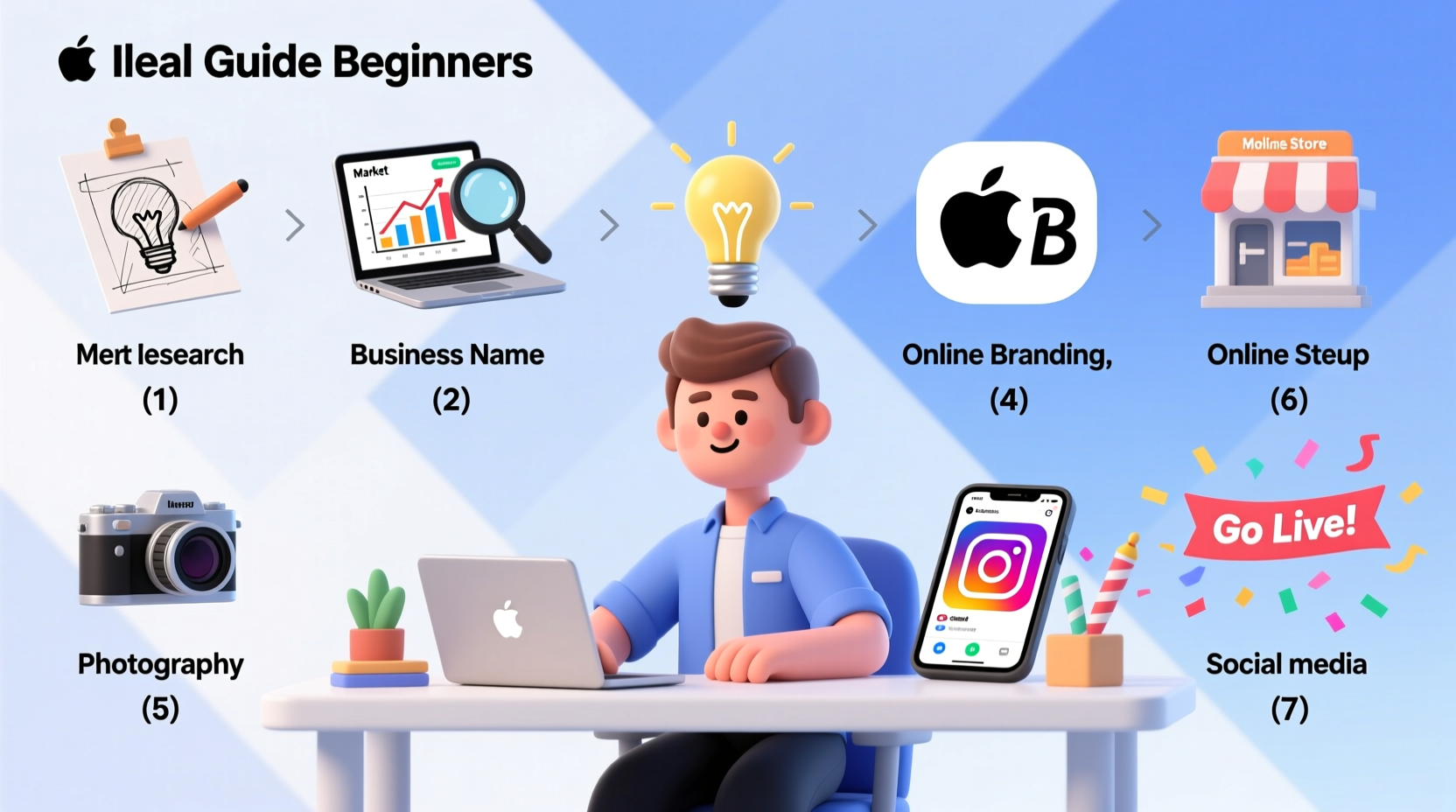
Selecting the right niche is the foundation of any successful online business. A niche defines who you serve, what problems you solve, and how you differentiate yourself from competitors. The best niches balance personal interest with market demand.
To identify a viable niche:
- Reflect on your skills, hobbies, or expertise (e.g., baking, fitness, tech tutorials).
- Use tools like Google Trends, Ubersuggest, or Amazon Best Sellers to assess search volume and competition.
- Look for “micro-niches” within broader categories—such as “vegan meal prep for college students” instead of just “healthy eating.”
2. Research Your Market and Define Your Target Audience
Knowing your audience is more important than having a flashy website. Who are they? What keeps them up at night? Where do they spend time online?
Create a customer persona: a fictional but data-driven profile of your ideal buyer. Include details such as age, income level, challenges, preferred communication channels, and purchasing habits.
“Understanding your audience isn’t about guessing what they want—it’s about listening to what they’re already saying.” — Sarah Lin, Digital Marketing Strategist
For example, if you're selling eco-friendly yoga mats, your target audience might be environmentally conscious women aged 25–35 who follow wellness influencers on Instagram and value sustainability over price.
3. Choose Your Business Model and Revenue Stream
There are several ways to make money online. The model you choose will shape your operations, marketing, and long-term scalability.
| Business Model | How It Works | Startup Cost | Best For |
|---|---|---|---|
| E-commerce Store | Sell physical products via Shopify or WooCommerce | Moderate ($100–$500) | Product creators, dropshippers |
| Digital Products | Sell ebooks, templates, courses | Low ($50–$200) | Coaches, educators, designers |
| Freelance Services | Offer writing, design, consulting | Very Low (free platforms) | Skilled professionals |
| Affiliate Marketing | Promote others’ products for commission | Low (blog + hosting) | Bloggers, content creators |
| Subscription Service | Monthly access to content or tools | Moderate (platform fees) | Community builders, experts |
If you enjoy creating things, digital products offer high margins and automation potential. If you prefer immediate client interaction, freelancing allows quick entry. Evaluate your strengths before deciding.
4. Set Up Your Legal and Operational Foundation
Operating without proper structure can lead to tax issues or legal risks. Even small businesses should formalize their setup early.
- Choose a business name that reflects your brand and check domain availability (use Namecheap or GoDaddy).
- Register your business as a sole proprietorship, LLC, or corporation depending on liability and tax needs.
- Get an EIN (Employer Identification Number) from the IRS website—free and required for banking and taxes.
- Open a separate business bank account to track finances clearly.
- Set up basic accounting using free tools like Wave or paid ones like QuickBooks.
5. Build Your Online Presence: Website and Branding
Your website is your digital storefront. It doesn’t need to be complex, but it must be professional, fast, and mobile-friendly.
Steps to build your site:
- Pick a platform: WordPress (flexible), Shopify (e-commerce), or Squarespace (design-focused).
- Buy a domain name (yourbusiness.com) and reliable hosting (SiteGround or Bluehost recommended).
- Design a clean layout with clear navigation, contact info, and value proposition above the fold.
- Add essential pages: Home, About, Products/Services, Contact, and Privacy Policy.
Branding goes beyond logos. It includes tone of voice, color palette, and customer experience. Stay consistent across your website, email signatures, and social media.
Mini Case Study: From Idea to Income in 90 Days
Lena, a former teacher, started a side hustle selling printable study planners for high school students. She validated demand by posting in student forums and found consistent requests for organization tools. Using Canva, she designed five PDF templates, set up a simple Shopify store, and ran targeted Pinterest ads. Within three months, she earned $1,200 in profit and now earns $800–$1,000 monthly passively. Her key? Solving a specific problem with low overhead and leveraging organic traffic through SEO pins.
6. Launch and Market Your Business Effectively
Even the best product fails without visibility. Focus on cost-effective marketing strategies that build trust and drive conversions.
- Email marketing: Collect emails early using a lead magnet (e.g., free checklist). Tools like MailerLite offer free tiers.
- Content marketing: Write blog posts or record videos answering common customer questions. Optimize for search engines.
- Social media: Pick one platform where your audience spends time. Post consistently and engage authentically.
- Launch offer: Attract first customers with a limited-time discount or bonus.
7. Essential Startup Checklist
Use this checklist to ensure nothing gets missed during your launch phase:
- ☑ Finalize your niche and unique selling proposition
- ☑ Register your business name and obtain necessary licenses
- ☑ Secure your domain and set up hosting
- ☑ Build a simple, functional website with clear calls to action
- ☑ Create branded visuals (logo, colors, fonts)
- ☑ Develop your first product or service offering
- ☑ Set up payment processing (Stripe, PayPal)
- ☑ Launch an email list with a lead magnet
- ☑ Publish initial content and promote on one social platform
- ☑ Track metrics: traffic, conversion rate, customer feedback
8. Frequently Asked Questions
How much does it cost to start an online business?
Most small online businesses can launch for under $500. Domain ($15), hosting ($100/year), logo design ($50), and marketing ($100–200) are typical early expenses. Many founders start with less than $100 using free tools.
Do I need technical skills to start?
No. Platforms like Wix, Shopify, and Squarespace require no coding. You can manage everything through drag-and-drop interfaces. For advanced features, hire freelancers from Fiverr or Upwork as needed.
How long before I make my first sale?
It varies. Some earn within days (freelancing), others take 3–6 months (content-based models). Speed depends on your niche, marketing effort, and whether you’re solving a real problem.
Conclusion: Start Small, Think Big
Every major online brand began with a single decision to act. You don’t need perfect conditions—just clarity, consistency, and the willingness to learn from mistakes. By following these steps, you lay a strong foundation that grows with you. Success isn’t about launching flawlessly; it’s about starting, adapting, and persisting.




 浙公网安备
33010002000092号
浙公网安备
33010002000092号 浙B2-20120091-4
Comments
No comments yet. Why don't you start the discussion?