
Starting an online business from home is no longer a distant dream—it's a realistic path to financial independence and flexible living. With low startup costs, global reach, and the ability to scale gradually, thousands of people are launching profitable ventures from their kitchens, spare rooms, and home offices. But success doesn’t come from luck. It comes from planning, persistence, and smart execution. This guide walks you through every essential step, from choosing your niche to making your first sale and beyond.
Choose the Right Business Model
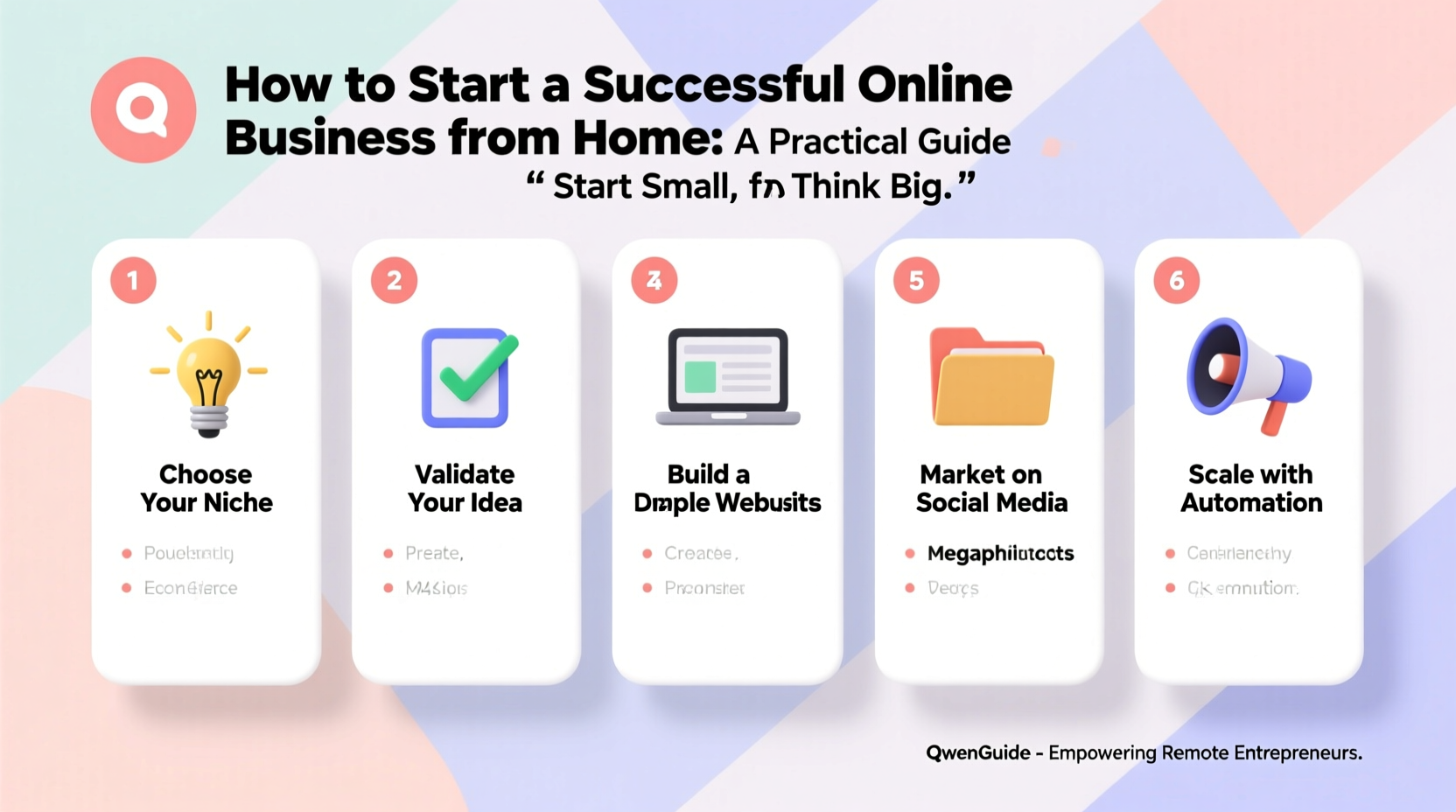
The foundation of any successful online business is a viable model that aligns with your skills, resources, and market demand. While there are countless ways to make money online, not all are equally accessible to beginners. Here are four proven models ideal for starting at home:
- E-commerce: Selling physical or digital products through platforms like Shopify or Etsy.
- Freelancing: Offering services such as writing, design, programming, or consulting via Upwork or Fiverr.
- Affiliate Marketing: Earning commissions by promoting other companies’ products on a blog or social media.
- Digital Products: Creating and selling courses, templates, or eBooks once and profiting repeatedly.
Each model has different time, capital, and skill requirements. For example, freelancing can generate income quickly but trades time for money. Digital products require upfront effort but offer passive income later.
Create a Realistic Launch Plan
Many beginners fail because they skip planning and jump straight into building websites or posting on social media without clarity. A structured plan reduces wasted time and keeps you focused.
- Define your niche: Focus on a specific audience or problem. Instead of “fitness,” try “home workouts for busy moms.”
- Validate your idea: Use free tools like Google Trends or Reddit communities to see if people are searching for solutions in your niche.
- Research competitors: Identify 3–5 successful businesses in your space. Analyze what they offer, how they price, and where they promote.
- Set measurable goals: Aim for clear milestones—e.g., “Get 10 paying customers in 90 days” rather than “be successful.”
Timeline: First 90 Days
| Week | Milestone | Action Items |
|---|---|---|
| 1–2 | Niche & Model Selection | Brainstorm ideas, validate demand, choose business model |
| 3–4 | Brand & Website Setup | Pick a name, register domain, build simple website |
| 5–8 | Product/Service Development | Create first offer, set pricing, test with friends |
| 9–12 | Launch & Get Feedback | Make first sales, collect testimonials, refine messaging |
Build Your Online Presence Efficiently
You don’t need a massive following to succeed. You need visibility among the right people. Focus on platforms where your target audience spends time.
If you’re selling printable planners, Pinterest and Instagram are ideal. If you’re offering B2B consulting, LinkedIn and content marketing work better. Create a consistent brand voice—simple, professional, and helpful—and stick to it across all channels.
Your website is your hub. Use affordable builders like WordPress or Wix if you’re on a budget. Ensure it loads quickly, works on mobile, and clearly explains what you do and how to buy.
“Your online presence isn’t about being everywhere—it’s about being memorable where it matters.” — Sarah Lin, Digital Business Strategist
Real Example: From Side Hustle to Full-Time Income
Jamie, a former teacher from Oregon, started a side business creating editable lesson plan templates for elementary educators. She identified a gap: many teachers spent hours formatting documents instead of teaching. Using Canva, she designed 10 templates, listed them on Etsy, and shared them in Facebook teacher groups.
Within three months, she made $1,200 in sales. By reinvesting profits into targeted Pinterest ads and expanding her product line, she reached $5,000/month within a year. Today, she runs a full-time digital shop with automated delivery and customer support handled through email sequences.
Her secret? Solving a small but frequent pain point for a well-defined audience—and staying consistent even when early sales were slow.
Avoid These Common Beginner Mistakes
Even with the best intentions, new entrepreneurs often sabotage progress by repeating avoidable errors. Recognizing these early can save months of frustration.
| Do | Don't |
|---|---|
| Start small and test demand before scaling | Spend $2,000 on inventory before validating interest |
| Focus on solving one problem well | Try to serve everyone with a generic offering |
| Track metrics like conversion rate and customer acquisition cost | Guess whether your marketing is working |
| Ask for feedback early and adapt | Assume your first version is perfect |
Frequently Asked Questions
How much money do I need to start?
You can launch many online businesses for under $100. Domain names cost $10–15/year, website builders offer free plans, and social media is free to use. Avoid overspending on logos, ads, or software until you’ve made your first sale.
Can I start while keeping my full-time job?
Absolutely. Most successful home-based entrepreneurs begin part-time. Dedicate 5–10 focused hours per week—early mornings, evenings, or weekends. The key is consistency, not intensity.
How long does it take to make money?
It varies, but most beginners see their first income within 30–90 days if they take consistent action. Profitability often takes 6–12 months. Treat it like planting a garden: seeds take time to grow, but regular care yields results.
Essential Startup Checklist
Use this checklist to stay organized and ensure nothing critical is missed during your launch phase.
- ☐ Define your niche and target customer
- ☐ Choose a business model (freelancing, e-commerce, etc.)
- ☐ Register a domain name and set up a simple website
- ☐ Create your first product or service offer
- ☐ Set up a secure payment method (PayPal, Stripe)
- ☐ Build a basic social media presence (1–2 platforms)
- ☐ Launch to friends, family, or a small community for initial feedback
- ☐ Track results and adjust based on what works
Take Action Today
The difference between dreaming about an online business and running one is action. Not perfection. Not funding. Not waiting for the “right time.” Begin with what you have: a laptop, internet access, and one valuable skill. Solve one small problem for one type of person. Test, learn, improve.
Every major online brand started exactly where you are now—with an idea and the courage to try. Your journey won’t be flawless, but each step builds momentum. Start today. Launch fast. Learn faster.




 浙公网安备
33010002000092号
浙公网安备
33010002000092号 浙B2-20120091-4
Comments
No comments yet. Why don't you start the discussion?