
Beginning an anime journey can feel overwhelming. With thousands of series spanning decades, genres, and cultural movements, it’s easy to fall into the trap of endless scrolling or bingeing fleeting trends while overlooking foundational works. The most rewarding watchlists aren’t built on popularity alone—they’re curated with intention, balancing timeless masterpieces with personal taste. The goal isn’t to watch everything, but to ensure that what you do watch includes the milestones that shaped the medium. Starting your anime watchlist with a strategy prevents regret, deepens appreciation, and transforms casual viewing into a meaningful exploration.
Understand What Makes an Anime a “Classic”
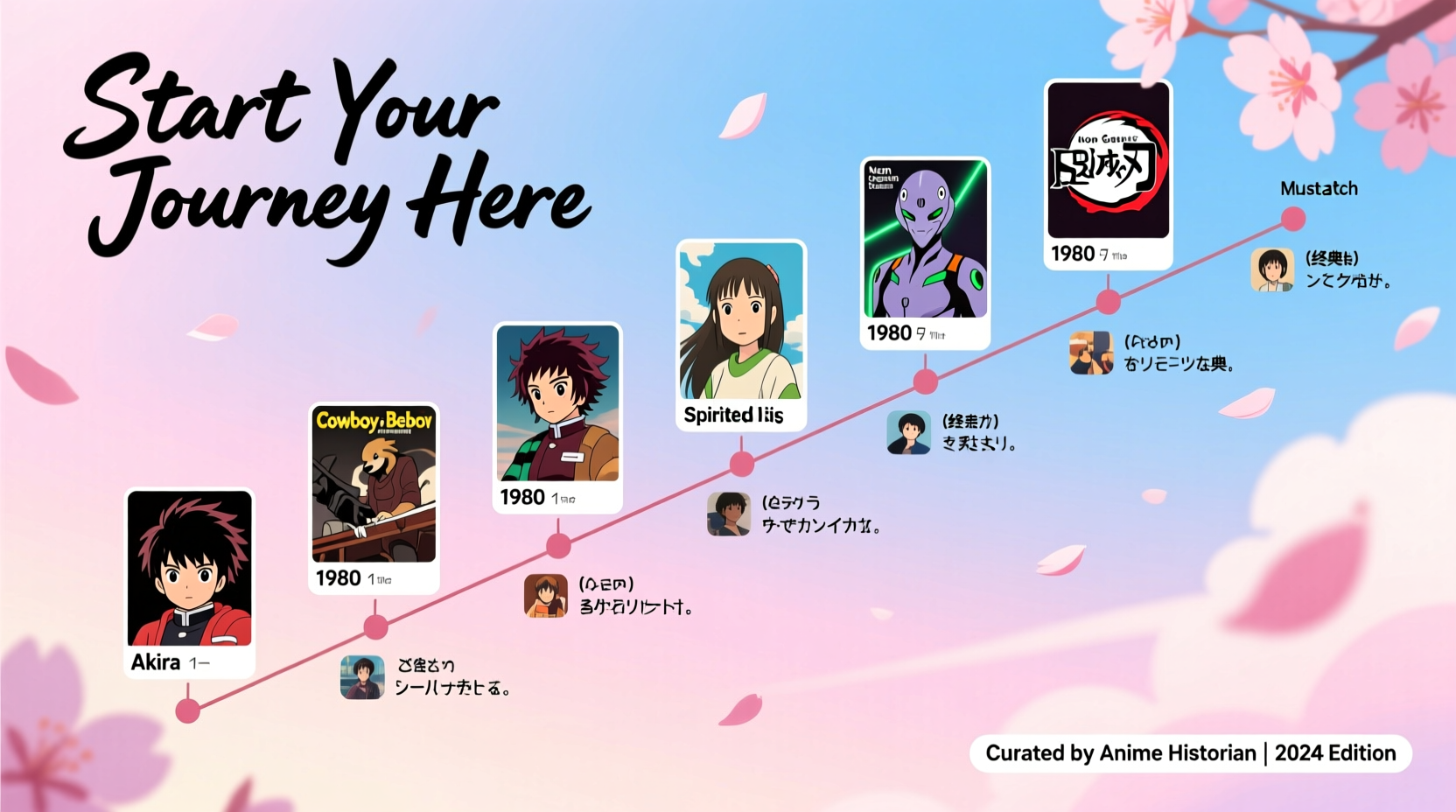
A “classic” in anime isn’t just something old or widely known—it’s a work that had a lasting impact on storytelling, animation, genre development, or audience perception. Some classics introduced groundbreaking techniques; others redefined entire categories like mecha, shojo, or psychological thriller. Recognizing these benchmarks helps prioritize which titles deserve space on your list.
For example, *Akira* (1988) didn’t just deliver a visually stunning cyberpunk narrative—it set new standards for animation quality worldwide. Similarly, *Neon Genesis Evangelion* (1995) deconstructed the mecha genre and influenced generations of creators with its psychological depth. These aren’t merely recommended watches; they’re reference points for understanding where anime came from and where it’s going.
“Watching classic anime is like reading literary canon—it gives context. You see echoes of these works in nearly every modern series.” — Dr. Hiro Tanaka, Media Studies Professor at Kyoto University of Art
Not all classics will appeal to your taste, and that’s okay. But knowing why they matter allows you to engage critically, even when a title doesn’t resonate emotionally. This awareness separates passive viewers from informed fans.
Build a Foundational Framework First
Before diving into niche subgenres or trending seasonal shows, establish a base layer of essential anime across key eras and styles. Think of this as your “cultural literacy” tier. These titles provide the vocabulary needed to appreciate both homage and innovation in newer works.
A strong foundation includes representation from:
- The 1980s–1990s golden age – When anime began gaining global recognition.
- Studio Ghibli’s filmography – A pillar of artistic and thematic excellence.
- Genre-defining series – Works that established templates still used today.
- Culturally significant productions – Series tied to social moments or technological leaps.
A Core Classics Checklist
Use this checklist to ensure your watchlist starts with substance:
- ✅ My Neighbor Totoro (1988) – Studio Ghibli’s gentle masterpiece.
- ✅ Ghost in the Shell (1995) – Cyberpunk philosophy meets cutting-edge animation.
- ✅ Sailor Moon (1992) – Revolutionized magical girl tropes and female-led narratives.
- ✅ Cowboy Bebop (1998) – Genre-blending space western with jazz-infused soul.
- ✅ Fullmetal Alchemist: Brotherhood (2009) – Modern classic with deep moral complexity.
- ✅ Death Note (2006) – Psychological thriller that captivated global audiences.
- ✅ Princess Mononoke (1997) – Environmental epic with mature themes.
- ✅ Serial Experiments Lain (1998) – Early internet-age existentialism.
This isn’t a rigid requirement list, but a starting compass. Once these are viewed, you’ll notice patterns—recurring motifs, visual homages, narrative structures—that make later anime richer to experience.
Create a Personalized Curation System
Your watchlist should reflect both breadth and personal interest. A system helps prevent overload and ensures balance between obligation (the “should-watches”) and desire (the “want-to-watches”).
Begin by defining your goals. Are you exploring anime as art? Escaping into fantasy worlds? Studying Japanese culture? Your intent shapes which classics matter most. For instance, someone interested in animation history might prioritize *Lupin III: The Castle of Cagliostro* (1979), Hayao Miyazaki’s early directorial work, while a fan of character-driven drama may focus on *Fruits Basket* (2001/2019).
Do’s and Don’ts of Watchlist Management
| Do | Don’t |
|---|---|
| Group entries by era, studio, or theme for context | Fill your list only with currently trending shows |
| Allocate 30% of your list to classics and 70% to discovery | Treat classics as homework—watch them with curiosity, not guilt |
| Revisit older entries after watching modern ones to compare | Assume older anime is outdated—many hold up remarkably well |
| Use platforms like MyAnimeList or AniList to tag and track progress | Let an unfinished backlog discourage you—focus on consistency |
Consider using digital tools to tag entries: “Must-Watch Classic,” “Cultural Impact,” “Genre Pioneer,” or “Personal Interest.” This turns your list into a dynamic archive rather than a static queue.
Follow a Strategic Watching Timeline
Rushing through classics defeats their purpose. They require attention, reflection, and sometimes research. A structured timeline prevents burnout and maximizes retention.
90-Day Starter Plan
- Weeks 1–2: Watch two foundational films—e.g., My Neighbor Totoro and Grave of the Fireflies. Contrast their tones and themes.
- Weeks 3–4: Dive into a seminal series like Cowboy Bebop (26 episodes). Watch 2–3 episodes weekly to absorb its pacing and music.
- Weeks 5–6: Explore a genre pioneer—Sailor Moon for magical girl, Dragon Ball Z for shonen battle tropes.
- Weeks 7–8: Engage with a philosophically dense work—Neon Genesis Evangelion or Ghost in the Shell: Stand Alone Complex.
- Weeks 9–12: Pair a classic with a modern counterpart. Compare Fullmetal Alchemist (2003) with Brotherhood, or analyze how Attack on Titan builds on Evangelion's legacy.
This pace allows time for journaling, discussion, or reading supplementary material—like interviews with creators or analyses of symbolism. Slow engagement fosters deeper connection.
Real Example: How Maya Built a Balanced Watchlist
Maya, a college student new to anime, wanted to explore beyond TikTok-recommended rom-coms. She started by binging *Kaguya-sama: Love is War*, which she loved, but noticed references to older series she didn’t understand. Determined not to miss context, she created a hybrid list.
She began with Studio Ghibli’s top five films, then added Cowboy Bebop after hearing its soundtrack praised. Using AniList, she tagged each entry and set monthly goals. When she reached Neon Genesis Evangelion, she found it confusing at first—but joined a Reddit discussion group, read about its production challenges, and rewatched key episodes. That effort transformed confusion into fascination.
Today, her list includes 40% classics and 60% modern picks. She still loves lighthearted romance anime, but now appreciates how series like *Frieren: Beyond Journey’s End* echo the melancholy pacing of *Mononoke*. Her watchlist isn’t complete—but it’s coherent, evolving, and deeply personal.
Frequently Asked Questions
Do I need to watch every classic to be a “real” anime fan?
No. Being a genuine fan means engaging thoughtfully, not completing a checklist. Watch the classics that align with your interests or fill gaps in understanding. Appreciation matters more than completion.
What if I don’t like a highly praised classic?
That’s valid. Taste is subjective. A classic’s importance lies in its influence, not universal enjoyment. Acknowledge its role in anime history while honoring your own response. You can respect a work without loving it.
Are OVAs and movies worth including in my watchlist?
Absolutely. Many classics are standalone films (*Akira*, *Spirited Away*) or short-form OVAs (*The End of Evangelion*, *FLCL*). These often pack intense storytelling into compact formats and are essential to full appreciation of a series or creator’s vision.
Conclusion: Start Small, Think Long-Term
Building an anime watchlist that includes classics isn’t about speed or volume—it’s about depth and direction. Begin with a few cornerstone titles, organize them meaningfully, and allow your tastes to evolve alongside your knowledge. Each classic you watch becomes a lens through which future anime can be better understood. Over time, you’ll recognize influences, detect homages, and appreciate innovation in ways that passive viewing can’t offer.




 浙公网安备
33010002000092号
浙公网安备
33010002000092号 浙B2-20120091-4
Comments
No comments yet. Why don't you start the discussion?