
Off-leash dog parks offer more than just open space for dogs to run—they foster healthier pets, stronger neighborhoods, and improved quality of life for pet owners. Yet starting one requires careful planning, community engagement, and adherence to local regulations. Whether you're a passionate dog owner, neighborhood leader, or city planner, this guide walks through every phase of turning an idea into a thriving public space where dogs can play safely and people can connect.
Assess Community Need and Build Support
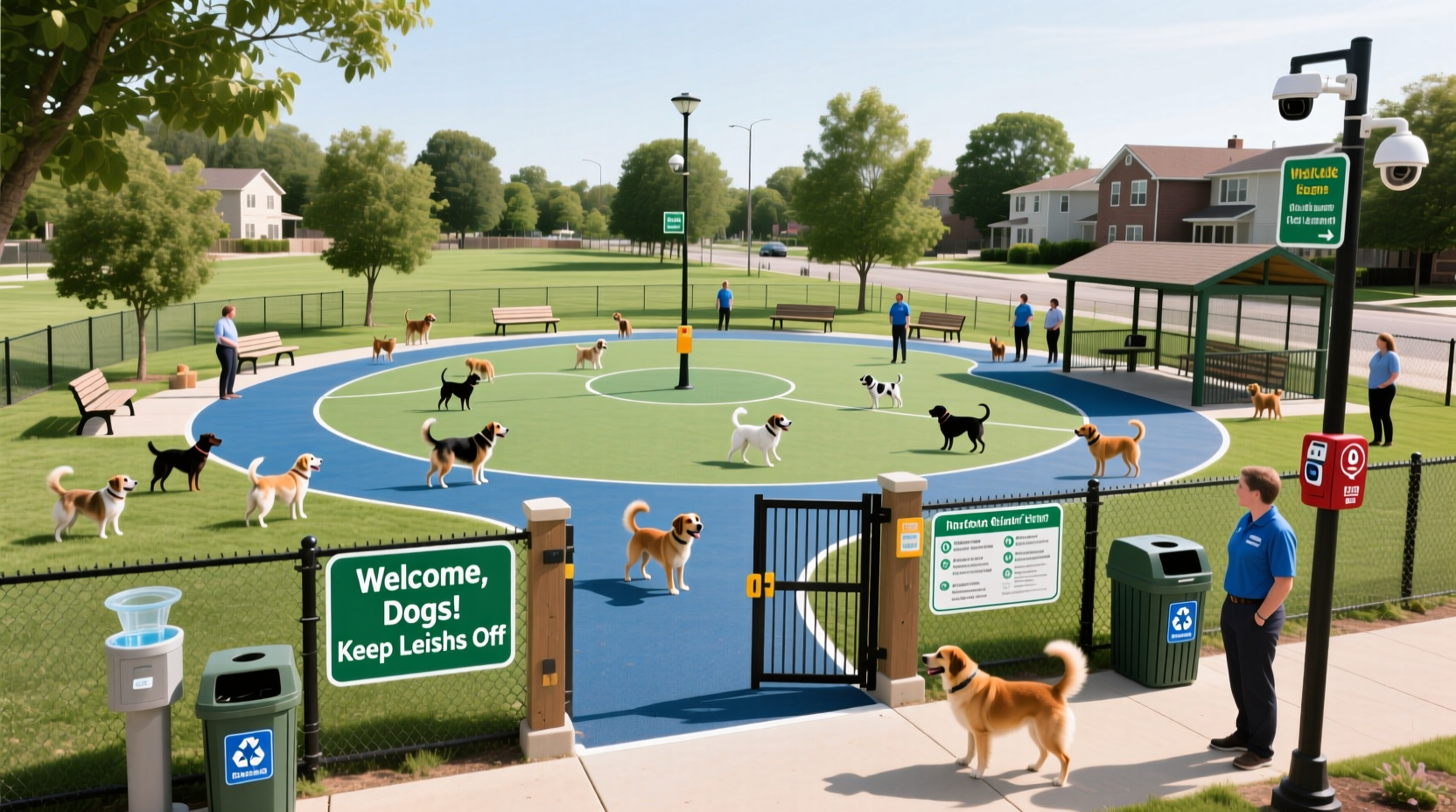
The first step isn’t about land or permits—it’s about people. Before investing time or money, determine whether there's genuine demand for an off-leash area. Conduct informal surveys at local pet stores, vet clinics, or through social media groups. Ask questions like: “Would you use a fenced dog park?” and “What features would matter most to you?”
Gathering 100+ signed letters of support from residents significantly strengthens your proposal when presenting to city councils or park districts. Form a small committee of committed volunteers who can help organize meetings, collect data, and advocate collectively.
Research Legal and Zoning Requirements
Most municipalities regulate recreational facilities, including dog parks. Contact your local parks and recreation department, zoning board, and public health office early to understand rules around location, fencing, water access, liability, and noise. Some cities require environmental impact assessments or stormwater management plans if building on undeveloped land.
You’ll also need to decide whether the park will be public (city-funded) or private (member-supported). Public parks typically require more approvals but are free to use; private ones allow for tighter control over membership and maintenance but may face legal hurdles if operated as a business.
“Cities see fewer complaints about loose dogs and better neighborhood cohesion when designated off-leash spaces exist.” — Dr. Lena Torres, Urban Planning Consultant specializing in pet-inclusive design
Choose the Right Location
Ideal sites balance accessibility, safety, and environmental compatibility. Look for parcels that are:
- Within walking distance of residential areas
- At least 0.5 to 1 acre in size
- Well-drained to prevent mud accumulation
- Avoiding proximity to playgrounds, bike paths, or wildlife habitats
- Already publicly owned (e.g., underused park corners)
Avoid low-lying areas prone to flooding and ensure the site has access to utilities like water and electricity for future amenities. If proposing a new development, consider partnering with schools or churches that have unused green space.
Location Evaluation Checklist
| Factor | Recommended | Avoid |
|---|---|---|
| Size | Minimum ½ acre | Less than ¼ acre |
| Drainage | Sandy or sloped soil | Flood-prone basins |
| Access | Paved path or sidewalk nearby | No pedestrian routes |
| Buffer Zones | 15+ feet from trails/playgrounds | Adjacent to high-traffic zones |
| Ownership | Public or willing partner entity | Private land without consent |
Design for Safety, Functionality, and Inclusivity
A well-designed dog park separates large and small dogs, includes double-gated entry systems to prevent escapes, and uses durable, non-toxic materials. Consider these essential elements:
- Fencing: At least 5–6 feet high, made of chain-link or powder-coated metal. Gates should swing inward and feature self-closing mechanisms.
- Zones: Divide space into large-dog and small-dog areas, each with separate entrances.
- Surfacing: Use crushed gravel, synthetic turf, or rubber mulch—avoid wood chips which rot and harbor bacteria.
- Shade & Shelter: Install shade sails or plant fast-growing trees. Include covered seating for caregivers.
- Water Access: Provide seasonal hydrants or automatic dog fountains.
- Waste Stations: Place multiple dispensers with biodegradable bags and sealed trash bins.
Incorporate ADA-compliant pathways so all visitors, including those with mobility challenges, can enter comfortably. Add educational signage about responsible pet ownership and emergency protocols.
Mini Case Study: Maple Ridge Dog Park, Portland
In 2020, a group of neighbors in Portland’s Maple Ridge district transformed a neglected corner of a city park into a vibrant off-leash zone. After collecting over 300 petition signatures and securing $18,000 in municipal matching funds, they installed dual-fenced enclosures, drought-resistant landscaping, and a rainwater-fed fountain. Within a year, usage grew steadily, and nearby residents reported fewer issues with roaming dogs. The success was attributed to early transparency, inclusive design, and ongoing volunteer stewardship.
Step-by-Step Implementation Timeline
Creating a dog park is a multi-phase process. Here’s a realistic timeline from concept to opening:
- Month 1–2: Survey community interest and form advocacy group.
- Month 3: Meet with city officials to discuss feasibility and regulations.
- Month 4–5: Identify potential sites and conduct environmental review.
- Month 6: Finalize design with input from veterinarians and landscape architects.
- Month 7–8: Apply for permits and seek funding via grants, donations, or sponsorships.
- Month 9–10: Begin construction; engage volunteers for planting and painting.
- Month 11: Install signage, test equipment, and train volunteer monitors.
- Month 12: Host a soft launch with safety orientation sessions before full public opening.
Maintain Sustainability and Community Engagement
Opening day is just the beginning. Long-term success depends on consistent upkeep and active participation. Establish a maintenance schedule covering:
- Daily trash pickup and bag replenishment
- Weekly inspection of fencing and equipment
- Monthly soil testing and surface leveling
- Seasonal pruning and pest control
Create a volunteer “Park Pals” program where members take shifts monitoring behavior, reporting hazards, and welcoming newcomers. Use social media or a simple website to share updates, host events like “Puppy Social Hours,” and remind users of rules.
Do’s and Don’ts of Dog Park Management
| Do | Don't |
|---|---|
| Enforce poop cleanup with visible signage | Rely solely on honor system without enforcement |
| Encourage supervision and positive interactions | Allow aggressive dogs to remain unchecked |
| Rotate toys and obstacles to keep environment stimulating | Let equipment become broken or outdated |
| Host annual feedback sessions with users | Ignore resident complaints or suggestions |
Frequently Asked Questions
Can I start a dog park on private land?
Yes, but you must comply with local zoning laws and obtain proper insurance. Private parks often operate as memberships or pay-per-use facilities. Be sure to draft clear terms of use and liability waivers for visitors.
How much does it cost to build a dog park?
Costs vary widely based on size and features. A basic ½-acre park with fencing, gates, and waste stations ranges from $25,000 to $50,000. Fully equipped parks with irrigation, lighting, and specialty surfacing can exceed $100,000. Many communities offset costs through fundraising and corporate sponsorships.
What happens if a dog gets injured at the park?
All users should acknowledge inherent risks through posted disclaimers. However, property owners or managing entities can reduce liability by maintaining safe conditions, promptly repairing hazards, and having clear rules enforced. Consult an attorney to establish a liability mitigation plan.
Final Steps Toward a Thriving Community Space
Launching an off-leash dog park is both a logistical challenge and a powerful act of community building. It takes persistence to navigate bureaucracy, raise funds, and coordinate efforts—but the rewards are lasting. Dogs gain physical and mental stimulation, owners find connection and support, and neighborhoods become more livable and connected.
Your vision can become reality with research, collaboration, and steady progress. Start small, stay focused on safety and inclusivity, and remember that every great dog park began with someone who simply asked, “Why not here?”




 浙公网安备
33010002000092号
浙公网安备
33010002000092号 浙B2-20120091-4
Comments
No comments yet. Why don't you start the discussion?