
Collecting anime figures has grown from a niche hobby into a global passion, with fans investing in detailed sculptures that celebrate their favorite characters. While high-end statues can cost hundreds or even thousands of dollars, it’s entirely possible to build a meaningful collection without draining your bank account. The key lies in strategy: knowing where to shop, when to buy, and how to avoid common pitfalls that inflate prices. With patience and research, you can curate a display that reflects your love for anime—without overspending.
Understand the Types of Anime Figures
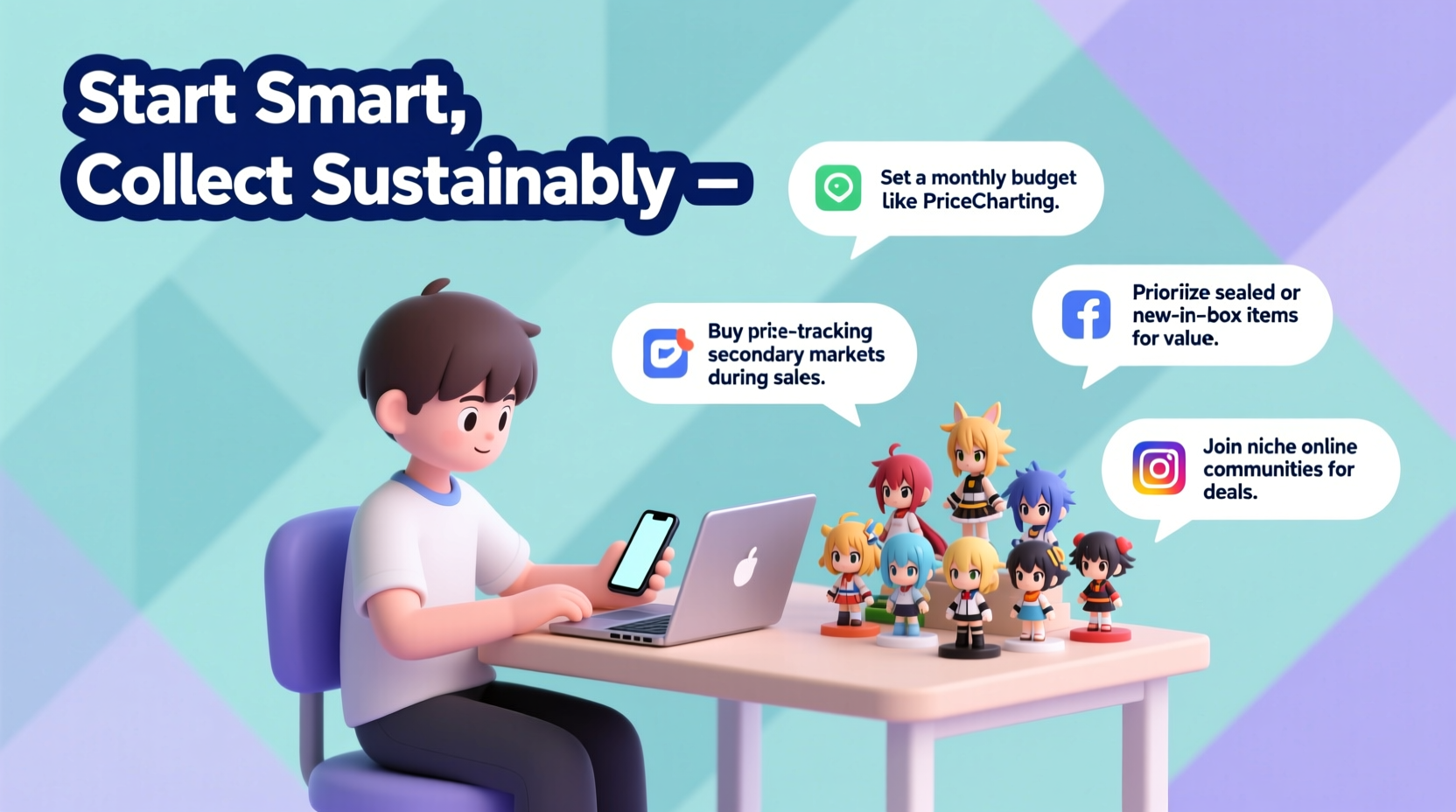
Before spending a single dollar, familiarize yourself with the different categories of anime figures. Each type varies in price, availability, and craftsmanship, which directly affects affordability.
- Action Figures: Often smaller and mass-produced, these are typically licensed by major toy companies like Bandai or Good Smile Company. They’re usually under $50 and ideal for beginners.
- Nendoroids: Chibi-style articulated figures made by Good Smile Company. Known for their cute proportions and interchangeable faces, most range between $40–$70.
- Scales (1/8 or 1/7): Highly detailed collector’s pieces representing characters at a consistent scale. These often cost $100+, but secondhand markets offer budget options.
- Garage Kits: Fan-made or limited-run figures, sometimes hand-assembled. Prices vary widely; unassembled kits can be affordable, but painting and finishing require skill.
- PVC Busts & Keychains: Smaller, decorative items perfect for tight budgets. Many official products fall below $30.
Set a Realistic Budget and Stick to It
One of the fastest ways to overspend is impulse buying. Without a clear financial plan, excitement over a rare figure can lead to regret. Begin by defining what you can afford monthly. For example, a $30–$50 monthly cap allows steady growth while minimizing financial strain.
Break your budget into categories:
- Primary Spending (70%): Allocate funds toward core figures from series you truly love.
- Discovery Fund (20%): Use this for trying out lesser-known series or testing different brands.
- Savings Buffer (10%): Save for higher-value pieces or limited editions that appear unexpectedly.
This method prevents burnout and keeps collecting sustainable. Remember, consistency beats splurging.
Where to Buy: Trusted Sources That Won’t Break the Bank
The marketplace matters as much as the product. Buying from unreliable sellers leads to overpriced listings, fakes, or damaged goods. Focus on reputable platforms known for fair pricing and buyer protection.
| Source | Best For | Average Price Range | Risk Level |
|---|---|---|---|
| Crunchyroll Store | Licensed exclusives, new releases | $30–$120 | Low |
| AmiAmi (Pre-owned section) | Clean secondhand figures, discontinued items | $20–$90 | Medium |
| eBay (with filters) | Bargains, garage kits, rare finds | $15–$200 | High (if unfiltered) |
| Mandarake | Used Japanese imports, vintage figures | $25–$150 | Low–Medium |
| Local conventions / flea markets | Direct deals, bundle discounts | $10–$80 | Medium |
When shopping online, always check seller ratings, return policies, and photos of actual items—not stock images. For used figures, look for terms like “like new,” “no flaws,” or “displayed only.” Avoid listings with vague descriptions or missing details.
Smart Buying Strategies to Avoid Overpaying
Timing and awareness make all the difference. A figure priced at $150 at launch might drop to $70 within a year due to market saturation. Here’s how to time your purchases wisely.
1. Wait for Restocks or Reissues
Popular figures often get re-released. Instead of paying resale premiums during initial hype, wait 6–12 months. Companies like Alter and Union Creative frequently reissue bestsellers.
2. Track Price History
Use tools like CamelCamelCamel (for Amazon) or FigureRealm to monitor historical pricing. You’ll spot trends and know when a “sale” isn’t actually a deal.
3. Buy During Sales Events
Major discounts happen around Black Friday, New Year, Anime Expo, and end-of-season clearance. Sign up for newsletters from stores like HobbyLink Japan or RightStufAnime to catch exclusive promos.
4. Consider Open-Box or Display Models
Some collectors open figures just to inspect quality, then resell them as “mint condition.” These go for 20–40% less than sealed versions—with nearly identical value.
“Most overpayment happens in the first three months after release. Patience rewards collectors more than urgency.” — Kenji Sato, Collector & Moderator at r/AnimeFigures
Step-by-Step Guide to Building Your First Budget Collection
Follow this six-month timeline to establish a strong foundation without overspending.
- Month 1: Research & Planning
Identify 2–3 anime series you want to collect. Follow fan communities, read reviews, and compile a shortlist of entry-level figures. - Month 2: Set Up Alerts
Create price-drop alerts on eBay, Google Shopping, and Feedly for your target figures. Join Discord servers focused on figure deals. - Month 3: Make Your First Purchase
Buy one Nendoroid or action figure from a trusted retailer. Inspect packaging and quality upon arrival. - Month 4: Explore Secondhand Markets
Visit Mandarake or AmiAmi’s pre-owned section. Buy one gently used figure, verifying condition carefully. - Month 5: Attend a Local Event (Optional)
Check nearby anime conventions or pop-up shops. Haggle respectfully and consider bundle deals. - Month 6: Evaluate & Refine
Assess what you’ve collected. Are you drawn to certain styles or scales? Adjust your list accordingly.
Mini Case Study: How Maya Built a $400 Collection for Under $180
Maya, a college student in Toronto, wanted to collect figures from *My Hero Academia* but was discouraged by retail prices averaging $120 each. She decided to take a strategic approach.
First, she set a $25/month budget. She joined the r/animefigures subreddit and followed deal-tracking accounts on X (formerly Twitter). When a Nendoroid Deku dropped to $45 during a Crunchyroll flash sale, she bought it immediately.
Over the next eight months, she purchased two more Nendoroids on sale and found a used Mirko scale figure in flawless condition on Mandarake for $65—$50 below retail. She skipped rare chase variants and focused on core characters.
By prioritizing timing and condition over exclusivity, Maya assembled a cohesive, high-quality collection worth over $400 at retail—for just $178 out of pocket.
Avoid These Common Money Traps
New collectors often fall into predictable financial pitfalls. Recognizing them early saves both money and disappointment.
- Hype-Driven Purchases: Limited editions don’t always appreciate in value. Many lose worth once the trend fades.
- Chase Variants: Special colorways or bonus accessories can cost twice as much but rarely double in resale value.
- Unnecessary Insurance: For low-cost figures (<$50), shipping insurance may cost more than the item itself.
- FOMO (Fear of Missing Out): Just because a listing says “last one!” doesn’t mean it won’t restock. Verify scarcity before acting.
“The most valuable skill in figure collecting isn’t deep pockets—it’s restraint.” — Lina Park, Longtime Collector & YouTube Reviewer
FAQ
Are cheaper figures lower in quality?
Not necessarily. Brands like Good Smile Company produce Nendoroids at accessible prices without sacrificing durability or paint accuracy. Quality depends more on brand reputation than price alone.
How do I spot counterfeit figures?
Look for blurry decals, uneven seams, off-color molds, or flimsy stands. Compare with official product photos. Stick to authorized retailers when possible. If a deal seems too good to be true, it probably is.
Should I keep figures in the box?
If you plan to resell, yes—sealed boxes preserve value. But if you're collecting for enjoyment, display them proudly. UV-resistant display cases protect against dust and sunlight damage.
Final Checklist: Starting Strong on a Budget
Use this checklist to stay organized and avoid costly mistakes:
- ✅ Define a monthly spending limit
- ✅ Choose 1–2 anime series to focus on
- ✅ Research average market prices for target figures
- ✅ Create price-drop alerts on eBay and Google
- ✅ Prioritize condition over rarity in used purchases
- ✅ Buy during seasonal sales or restocks
- ✅ Store figures away from direct sunlight and humidity
- ✅ Join online communities for deal sharing and advice
Conclusion: Start Small, Think Long-Term
Building an anime figure collection shouldn’t feel like a financial burden. By approaching it with intention, discipline, and smart sourcing, you can grow a display that brings joy—without stretching your wallet. The most satisfying collections aren’t the most expensive; they’re the ones built with care, knowledge, and genuine connection to the characters they represent.




 浙公网安备
33010002000092号
浙公网安备
33010002000092号 浙B2-20120091-4
Comments
No comments yet. Why don't you start the discussion?