
Composting is one of the most sustainable habits a household can adopt. It reduces landfill waste, enriches soil, and lowers your carbon footprint. But many people hesitate to start because they fear pests—especially when composting indoors. The good news: with the right approach, you can compost inside your home without inviting fruit flies, ants, or gnats. This guide reveals practical, science-backed strategies to maintain a clean, odor-free, and bug-free indoor compost system.
Why Indoor Composting Gets a Bad Reputation
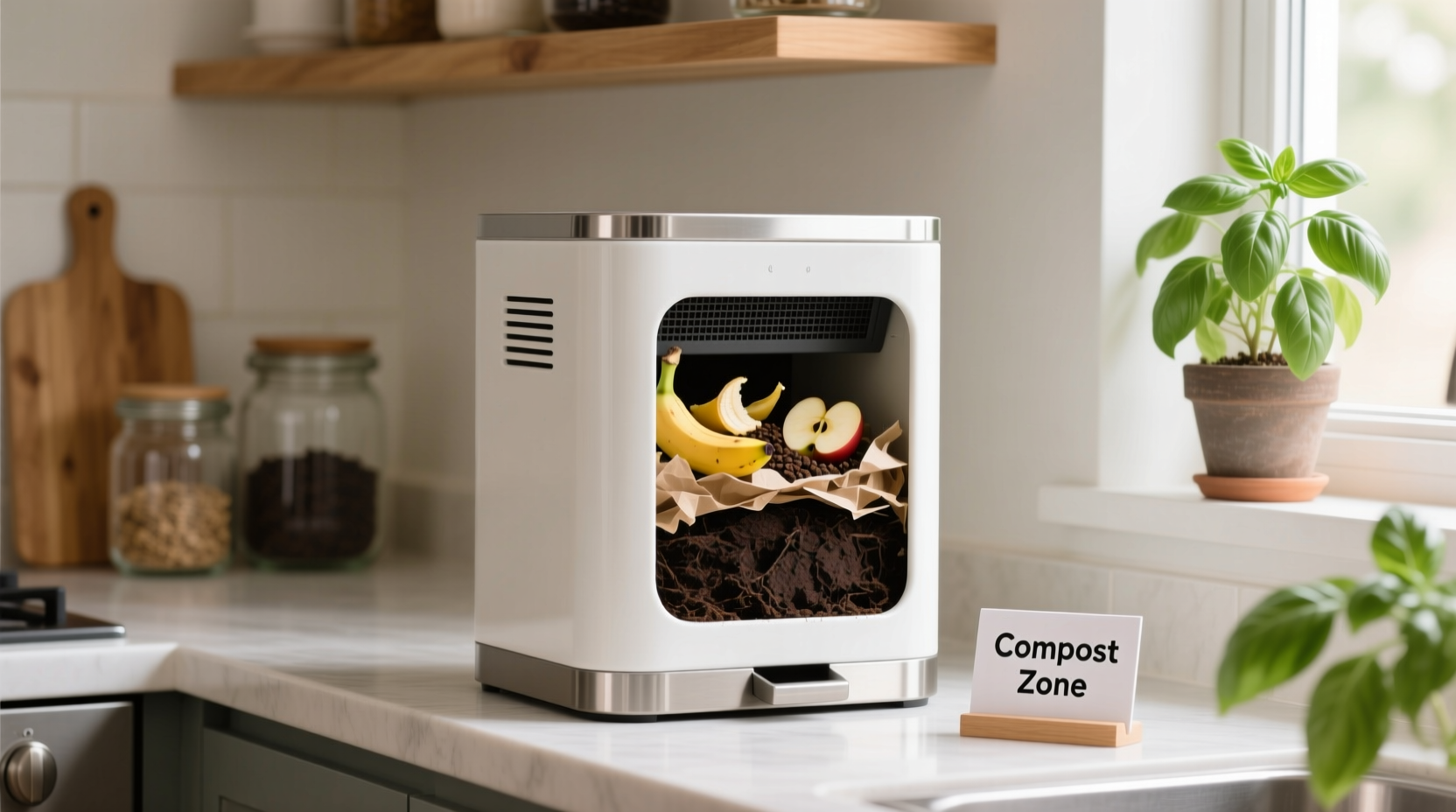
The stigma around indoor composting often stems from outdated or improper methods. When food scraps are left exposed in open containers, especially sugary or acidic items like banana peels or citrus rinds, they naturally attract insects. However, modern techniques and tools have made indoor composting not only feasible but also discreet and hygienic.
The key lies in controlling three factors: moisture, airflow, and containment. When managed correctly, decomposition happens efficiently without the telltale smells and pests associated with rotting food.
“Indoor composting doesn’t have to be messy or smelly. With proper balance and sealed systems, it’s as easy as recycling.” — Dr. Lena Torres, Urban Sustainability Researcher at Green Cities Institute
Choosing the Right Composting Method for Indoors
Not all composting systems are suited for indoor use. Traditional backyard piles rely on space, heat, and outdoor airflow—none of which are ideal inside. Instead, opt for compact, contained methods designed specifically for indoor environments.
Bokashi Bin System
This Japanese fermentation method uses inoculated bran to break down food waste—including meat and dairy—in an airtight bucket. Because it operates anaerobically (without oxygen), it minimizes odors and deters bugs. After two weeks, the pre-compost is buried outdoors or added to a garden bed.
Electric Composter
Devices like Lomi or FoodCycler dehydrate and grind food scraps into nutrient-rich powder within hours. These units are fully enclosed, emit minimal odor, and require no outdoor space. While more expensive upfront, they’re ideal for apartments or bug-sensitive households.
Worm Bin (Vermicomposting)
Using red wiggler worms, this method converts food waste into rich castings. A well-maintained worm bin produces no foul smell and rarely attracts pests—if fed correctly. Keep it under the sink or in a utility closet, away from direct sunlight.
Step-by-Step Guide to Starting Bug-Free Indoor Composting
Follow this timeline to set up and maintain a pest-free indoor compost system in just one week.
- Day 1: Choose Your System
Select a Bokashi bin, electric composter, or worm bin based on your space, budget, and lifestyle. Purchase or assemble the unit. - Day 2: Prepare Location
Find a cool, dry spot—under the kitchen sink, in a pantry, or laundry room. Ensure it’s out of direct sunlight and away from heat sources. - Day 3: Set Up the Bin
For Bokashi: Add a layer of bran at the bottom. For worm bins: Layer bedding (shredded newspaper, coconut coir). For electric models: Plug in and run a test cycle. - Days 4–7: Begin Adding Waste
Start with small amounts of non-oily vegetable scraps—apple cores, coffee grounds, tea bags. Chop into small pieces for faster breakdown. - Ongoing: Maintain Balance
Monitor moisture levels, add browns (like paper) if too wet, and never let liquids pool at the bottom.
What to Compost (and What to Avoid)
Even the best system fails if you add the wrong materials. Certain foods decompose poorly indoors and are prime attractants for pests.
| ✅ DO Compost | ❌ DON’T Compost |
|---|---|
| Fruit and vegetable scraps | Meat, fish, and bones (except in Bokashi) |
| Coffee grounds and filters | Dairy products (unless fermented in Bokashi) |
| Eggshells (crushed) | Oily or greasy foods |
| Tea bags (check for plastic) | Processed foods with salt/sugar additives |
| Houseplant trimmings | Onions, garlic, citrus (in excess) |
Acidic or pungent foods like onions and citrus may deter worms and create odors in worm bins. Use them sparingly. In Bokashi systems, these are acceptable due to fermentation, but always press down waste and sprinkle bran after each addition.
Preventing Bugs: 5 Proven Strategies
Bugs aren’t inevitable. They’re a sign of imbalance. Apply these five tactics to keep your compost clean and pest-free.
1. Seal It Tight
Use a compost container with a secure, airtight lid. For Bokashi and electric models, ensure the seal is intact. Worm bins should have fine mesh ventilation to allow airflow while blocking fruit flies.
2. Freeze Scraps Before Adding
Freezing food waste before adding it to your bin halts microbial activity temporarily and kills any insect eggs that might be present. Thaw slightly before placing in the bin for easier processing.
3. Bury Waste Under Bedding
In worm bins, always cover new food with a layer of bedding (shredded paper, cardboard, or coconut fiber). This prevents access by fruit flies and regulates moisture.
4. Clean Regularly
Wipe down the rim of your bin weekly with vinegar or a mild disinfectant. Remove any residue where fruit flies could lay eggs. Empty liquid trays in electric composters promptly.
5. Use Natural Deterrents
Place a few cloves of garlic or a cinnamon stick near the bin. Both repel insects naturally. Alternatively, tape a piece of breathable fabric over vents to block entry while maintaining airflow.
Real Example: Maria’s Apartment Composting Success
Maria, a tenant in a Chicago high-rise, wanted to reduce her kitchen waste but feared bugs in her small apartment. She started with a countertop compost pail that quickly attracted fruit flies. After researching, she switched to a Bokashi bin stored under her sink.
She began freezing scraps, adding them every few days with a scoop of bran, and pressing them down firmly. Within a week, no new flies appeared. Every two weeks, she buried the fermented waste in a community garden plot 10 minutes away. Over six months, she diverted over 60 pounds of waste from landfills—without a single pest sighting.
“I was shocked at how simple it became,” she said. “Now my roommate wants to get a bin too.”
Checklist: Setting Up Your Bug-Free Indoor Compost System
- ☐ Choose a compost method (Bokashi, electric, or worm bin)
- ☐ Designate a cool, dry indoor location
- ☐ Buy necessary supplies (bin, bran, bedding, etc.)
- ☐ Start a freezer collection for scraps
- ☐ Label containers clearly to avoid confusion
- ☐ Set a weekly cleaning reminder
- ☐ Test the system with small amounts of waste
- ☐ Monitor for odors or pests in the first 10 days
- ☐ Adjust feeding frequency based on decomposition speed
- ☐ Share results with household members to encourage participation
Frequently Asked Questions
Can I compost indoors if I live in an apartment?
Absolutely. Many apartment dwellers successfully compost using Bokashi bins or electric composters. These systems are quiet, compact, and produce no noticeable odor when maintained properly. Just ensure you have a way to dispose of the final product—community gardens, planters, or municipal drop-offs often accept pre-compost.
How do I know if my compost is attracting bugs because of user error?
If you see fruit flies or gnats, check for these common mistakes: leaving the lid off, adding prohibited items (like oily leftovers), overfilling the bin, or allowing moisture to accumulate. Correct these issues immediately—most infestations resolve within 48 hours once conditions change.
Do indoor compost bins smell?
A healthy indoor compost system should not produce foul odors. A slight earthy or sourdough-like scent is normal in Bokashi bins due to fermentation. A rotten or ammonia smell indicates too much nitrogen-rich waste or poor airflow. Balance with dry \"brown\" materials like paper and ensure the container isn't overloaded.
Final Thoughts: Turn Waste Into Worth—Without the Pests
Indoor composting is no longer a compromise between sustainability and sanitation. With thoughtful planning and the right tools, anyone can transform food scraps into valuable resources—right from their kitchen. The secret isn’t complexity; it’s consistency. By choosing the correct system, avoiding common pitfalls, and following proven maintenance steps, you eliminate the risks of bugs and odors.
Starting small is perfectly okay. Begin with one type of compostable waste, master the process, then expand. Each banana peel or coffee ground you divert makes a difference—not just for your trash bill, but for the planet.




 浙公网安备
33010002000092号
浙公网安备
33010002000092号 浙B2-20120091-4
Comments
No comments yet. Why don't you start the discussion?