
Traveling opens doors to new cultures, perspectives, and personal growth. For many, the idea of setting off on their first journey is both exciting and overwhelming. The key to turning that dream into reality lies in thoughtful preparation. This guide walks through every essential step—from selecting a destination to managing your budget and navigating real-world challenges—so you can begin your travel journey with confidence and clarity.
Choose Your Destination Wisely
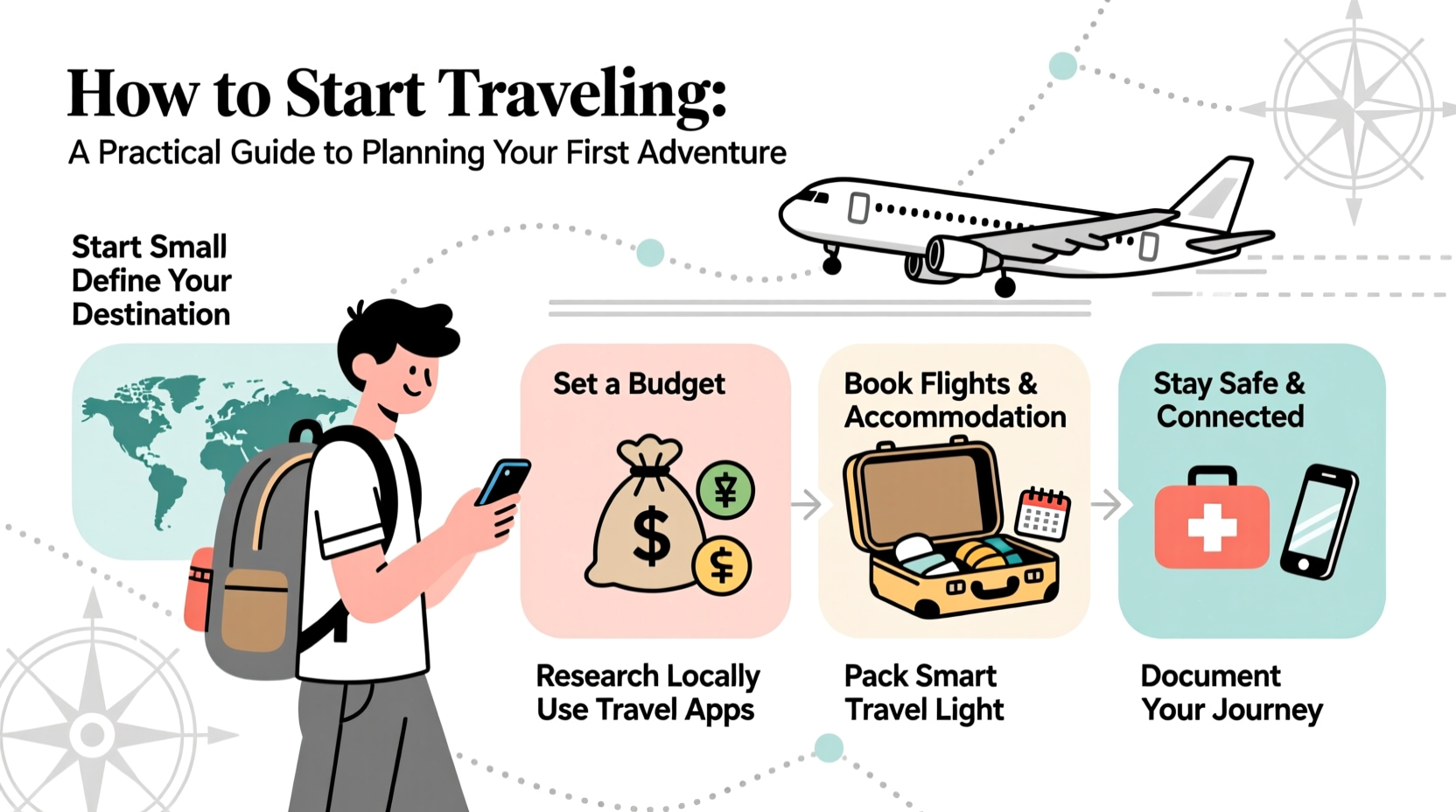
Selecting where to go is often the most thrilling part of travel planning, but it should also be grounded in practical considerations. First-time travelers benefit most from destinations that are safe, affordable, and welcoming to foreigners. Southeast Asia, parts of Central America, and Southern Europe offer a balance of cultural richness, ease of access, and traveler-friendly infrastructure.
Consider your comfort level with language barriers, local customs, and transportation systems. A country where English is widely spoken or where public transit is reliable can reduce stress during your initial trips. Also, assess seasonal factors: visiting Thailand during monsoon season or Iceland in winter without proper planning can complicate your experience.
Create a Realistic Budget
One of the biggest misconceptions about travel is that it’s inherently expensive. In truth, costs vary dramatically depending on choices like destination, accommodation, and daily habits. Begin by estimating core expenses: flights, lodging, food, local transport, activities, and insurance.
A mid-range traveler might spend $50–$100 per day in countries like Vietnam or Portugal, whereas the same budget could stretch much further in places like Guatemala or Morocco. Use online tools like Numbeo or BudgetYourTrip to compare living costs across cities.
| Expense Category | Estimated Cost (7-Day Trip) | Tips to Reduce Cost |
|---|---|---|
| Round-trip flight | $300–$800 | Book 2–3 months in advance; use fare alerts |
| Accommodation | $280–$700 | Stay in hostels, guesthouses, or use homestays |
| Food & drink | $100–$210 | Eat at local markets; avoid tourist restaurants |
| Activities & entry fees | $70–$150 | Look for free walking tours or city passes |
| Travel insurance | $40–$70 | Compare providers; avoid skipping this |
“Many people delay travel waiting for the ‘perfect’ time or budget. But small, intentional steps now lead to real journeys sooner than you think.” — Sarah Lin, Travel Strategist and Author of *The Intentional Explorer*
Step-by-Step Planning Timeline
Organizing your trip over several weeks prevents last-minute stress and helps secure better prices. Follow this timeline for a smooth preparation process:
- 8–12 weeks out: Choose your destination and check visa requirements. Apply early if needed.
- 6–8 weeks out: Book refundable flights and research accommodations. Set up a dedicated savings fund.
- 4–6 weeks out: Purchase travel insurance and schedule any required medical checkups or vaccinations.
- 2–4 weeks out: Finalize your itinerary, book key tours, and download offline maps and translation apps.
- 1 week out: Pack smartly, confirm reservations, and share your plans with a trusted contact.
Pack Light and Smart
Overpacking is one of the most common mistakes first-time travelers make. Carrying too much limits mobility and increases stress. Focus on versatile clothing that layers well and fits the climate. A capsule wardrobe of 8–10 mix-and-match items is often sufficient for a two-week trip.
- Pack one pair of comfortable walking shoes
- Bring a lightweight adapter if traveling internationally
- Include a reusable water bottle and basic first-aid kit
- Limit electronics—consider leaving non-essential gadgets at home
Stick to carry-on luggage when possible. Not only does this save money on baggage fees, but it also eliminates wait times at baggage claim and reduces the risk of lost items.
Real Example: Maria’s First Solo Trip to Lisbon
Maria, a 28-year-old graphic designer from Chicago, had never traveled outside North America. She wanted to explore Europe but felt daunted by logistics. She started small: choosing Lisbon, Portugal—a city known for safety, walkability, and affordability.
She saved $1,200 over six months by cutting subscription services and cooking at home. She booked a budget flight using a price-tracking tool and stayed in a female-only hostel dorm for $35/night. With a metro pass and free walking tour, she explored museums, neighborhoods, and coastal towns without overspending.
Her biggest takeaway? “I thought I needed to plan every hour. But leaving room for spontaneity—like joining locals at a fado music night—made the trip unforgettable.”
Essential Pre-Departure Checklist
Use this checklist to ensure nothing critical is overlooked before departure:
- ✅ Passport valid for at least six months beyond return date
- ✅ Visa obtained (if required)
- ✅ Round-trip flight confirmation
- ✅ Accommodation bookings secured
- ✅ Travel insurance purchased (covers medical, theft, cancellation)
- ✅ Vaccinations or health precautions completed
- ✅ Notify bank of travel dates to avoid card blocks
- ✅ Download offline maps and translation apps
- ✅ Share itinerary with family or friend
- ✅ Pack essentials: medications, chargers, adapters, copies of documents
Frequently Asked Questions
Is it safe to travel alone as a beginner?
Yes, provided you take standard precautions. Choose well-reviewed accommodations, stay aware of your surroundings, and avoid isolated areas at night. Many solo travelers report feeling more confident and self-reliant after their first trip.
How can I find cheap flights?
Use comparison sites like Google Flights, Skyscanner, or Momondo. Set price alerts, be flexible with dates, and consider flying mid-week or during shoulder seasons. Sometimes nearby airports offer significantly lower fares.
Do I really need travel insurance?
Absolutely. It protects against unexpected events like medical emergencies, trip cancellations, or lost luggage. Even a minor accident abroad can result in high out-of-pocket costs without coverage.
Conclusion: Your Adventure Begins Now
Travel isn’t about waiting for the perfect moment—it’s about making the most of the one you’re in. With careful planning, realistic expectations, and a willingness to embrace the unknown, your first journey can be the beginning of a lifelong passion. You don’t need unlimited funds or extensive experience. You just need the courage to start.




 浙公网安备
33010002000092号
浙公网安备
33010002000092号 浙B2-20120091-4
Comments
No comments yet. Why don't you start the discussion?