
Puppies explore the world with their mouths. This natural instinct is especially pronounced during play, when excitement runs high and boundaries are still being learned. While nipping may seem harmless at first, unchecked biting can develop into problematic behavior as your dog matures. The key isn’t to suppress your puppy’s energy—it’s to redirect it constructively. With consistency, patience, and the right techniques, you can teach your puppy that play doesn’t have to involve teeth.
Why Puppies Bite During Play
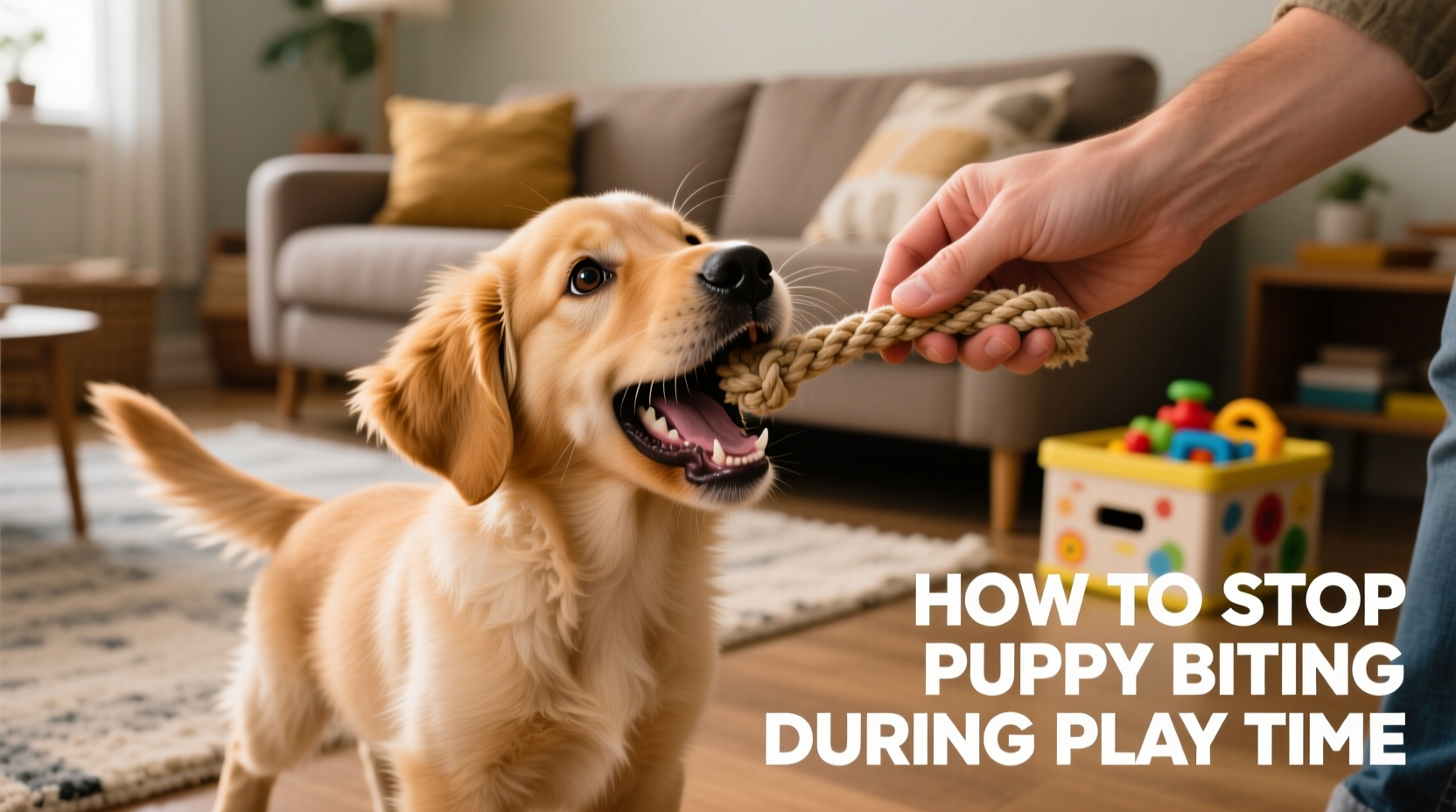
Biting during play is not aggression—it's communication, exploration, and social learning. In litter settings, puppies learn bite inhibition by interacting with their siblings. When one bites too hard, the other yelps and stops playing. This feedback loop teaches pups how much pressure is acceptable. However, when a puppy joins a human household early, they miss out on some of this crucial social education.
During play sessions with humans, hands, feet, and clothing often become targets because they move quickly and provoke chase instincts. A waving hand looks like prey. A wiggling toe under a blanket? That’s irresistible. Without guidance, the puppy learns that biting leads to interaction—even if it’s negative attention.
“Puppies don’t come pre-programmed with human etiquette. They learn through consequences and repetition.” — Dr. Karen Overall, Veterinary Behaviorist
Step-by-Step Guide to Reduce Playtime Biting
Stopping play biting requires a structured approach that replaces unwanted behaviors with acceptable alternatives. Follow this timeline over 2–6 weeks, depending on your puppy’s age and temperament.
- Recognize the triggers: Identify what prompts biting—excitement, overstimulation, hunger, or lack of exercise.
- Use the “Yelp and Withdraw” method: When bitten, let out a short, high-pitched yelp (like a hurt littermate), then immediately stop moving and turn away for 10–20 seconds. This mimics natural puppy correction.
- Redirect to appropriate toys: After the pause, offer a chew toy. If the puppy engages, resume play. If not, end the session calmly.
- End play before overexcitement builds: Short, controlled play sessions prevent escalation. Aim for 5–10 minutes initially.
- Reinforce calm behavior: Reward moments of gentle interaction with treats or affection.
- Increase mental and physical stimulation: Tired puppies bite less. Incorporate walks, sniffing games, and puzzle feeders daily.
Effective Tools and Techniques
Not all tools work equally well. Some common advice—like using bitter sprays on hands or grabbing the puppy’s mouth—can backfire. Instead, focus on positive reinforcement and environmental management.
Appropriate Chew Toys
Having the right toys available during playtime makes redirection easier. Choose durable rubber toys (like Kongs), rope tugs, or plush toys designed for teething.
Time-Outs vs. Punishment
A time-out is not punishment. It’s a brief removal from stimulation. If your puppy continues to bite despite yelping and redirection, calmly place them in a safe, quiet area for 30–60 seconds. Return only when they’re calm. This teaches that biting = loss of fun.
The Role of Consistency
Every person in the household must respond the same way. Mixed signals confuse puppies. If one person laughs and wiggles their fingers when bitten while another scolds, the puppy won’t learn a clear rule.
| Technique | Effectiveness | Notes |
|---|---|---|
| Yelp and Withdraw | High | Mimics natural sibling feedback; best for young puppies |
| Redirection to Toy | High | Teaches acceptable outlets; use consistently |
| Time-Outs | Moderate | Must be brief and immediate; avoid long isolation |
| Positive Reinforcement | Very High | Reward gentle mouthing or sitting calmly during play |
| Physical Correction | Low / Risky | Can damage bond and trigger defensive behavior |
Checklist: Daily Routine to Prevent Play Biting
- ✅ Exercise your puppy for at least 30 minutes daily (walks, fetch, sniffing)
- ✅ Schedule three short play sessions instead of one long one
- ✅ Keep chew toys accessible during all interactions
- ✅ Practice bite inhibition training at least twice per day
- ✅ Avoid roughhousing that encourages jumping or grabbing
- ✅ End play immediately when teeth touch skin—even gently
- ✅ Use treats to reward non-biting calm behavior
- ✅ Ensure everyone in the home follows the same rules
Real Example: Training Bella the Border Collie Puppy
Bella, a 12-week-old Border Collie, joined her new family full of energy. Within days, her play sessions turned chaotic—she’d lunge at ankles, chew sleeves, and ignore commands when excited. Her owners tried saying \"no\" firmly and even squirted water, but the biting continued.
They shifted strategy. Instead of reacting after bites occurred, they proactively managed play. Each session lasted five minutes, started with a walk to burn energy, and used a bright blue tug rope as the designated play item. When Bella bit a hand, the owner yelped, froze, then turned away. After a few seconds, the rope was offered again. If Bella took it, play resumed. If she lunged, the session ended.
Within two weeks, Bella began grabbing the rope instinctively during play. By week four, she would look for the toy when excited. Her owners also introduced a \"settle\" cue, rewarding her with treats when she sat calmly after play. Today, at six months old, Bella plays gently and responds reliably to redirection.
Common Mistakes That Worsen the Problem
Even well-meaning owners can accidentally reinforce biting. Watch for these pitfalls:
- Using hands as toys: Wiggling fingers or playing \"attack the hand\" teaches that hands are chewable.
- Inconsistent responses: Laughing at biting one moment and scolding the next confuses the puppy.
- Overstimulating play: Fast movements, loud noises, and prolonged sessions push puppies past their self-control threshold.
- Neglecting basic needs: A hungry, tired, or understimulated puppy is more likely to act out.
- Delaying intervention: Waiting until biting becomes habitual makes correction harder.
“Behavior you reinforce, even unintentionally, will persist. Every interaction is a teaching moment.” — Ian Dunbar, Dog Trainer and Veterinarian
Frequently Asked Questions
Is it normal for my puppy to bite during play?
Yes, it’s completely normal. Puppies use their mouths to explore and interact. The goal isn’t to eliminate mouthing entirely at this stage, but to teach bite inhibition and gradually reduce pressure until no teeth touch skin during play.
What if my puppy bites hard enough to draw blood?
If a bite breaks the skin, respond immediately with a sharp yelp and end the interaction. Clean the wound thoroughly and monitor for infection. Consider consulting a certified dog trainer or veterinary behaviorist, especially if the behavior escalates or seems aggressive rather than playful. Note: true aggression includes stiff body posture, growling, and direct eye contact—not just biting.
How long does it take to stop a puppy from biting?
Most puppies significantly reduce play biting by 4–6 months of age, provided consistent training starts early. However, individual timelines vary based on breed, temperament, and environment. Some high-energy breeds may need longer training periods. Patience and routine are essential.
Conclusion: Building a Gentle, Confident Companion
Stopping a puppy from biting during play isn’t about dominance or suppression—it’s about education. Your puppy isn’t trying to dominate you; they’re trying to figure out how to interact. Every time you redirect their mouth to a toy, freeze in response to a nip, or reward calmness, you’re shaping their understanding of appropriate behavior.
The habits formed in these early months lay the foundation for a lifetime of safe, enjoyable interactions. You’re not just preventing bites—you’re building trust, communication, and mutual respect. With consistent, kind guidance, your energetic little pup will grow into a well-mannered adult dog who knows how to play without pain.




 浙公网安备
33010002000092号
浙公网安备
33010002000092号 浙B2-20120091-4
Comments
No comments yet. Why don't you start the discussion?