
Puppies explore the world with their mouths. While this is natural, aggressive chewing can damage furniture, shoes, and even pose health risks if dangerous items are ingested. The key isn’t to eliminate chewing—it’s to redirect it appropriately. With the right combination of safe chew toys, consistent training, and environmental management, you can guide your puppy toward healthy chewing habits that last a lifetime.
Why Puppies Chew Aggressively
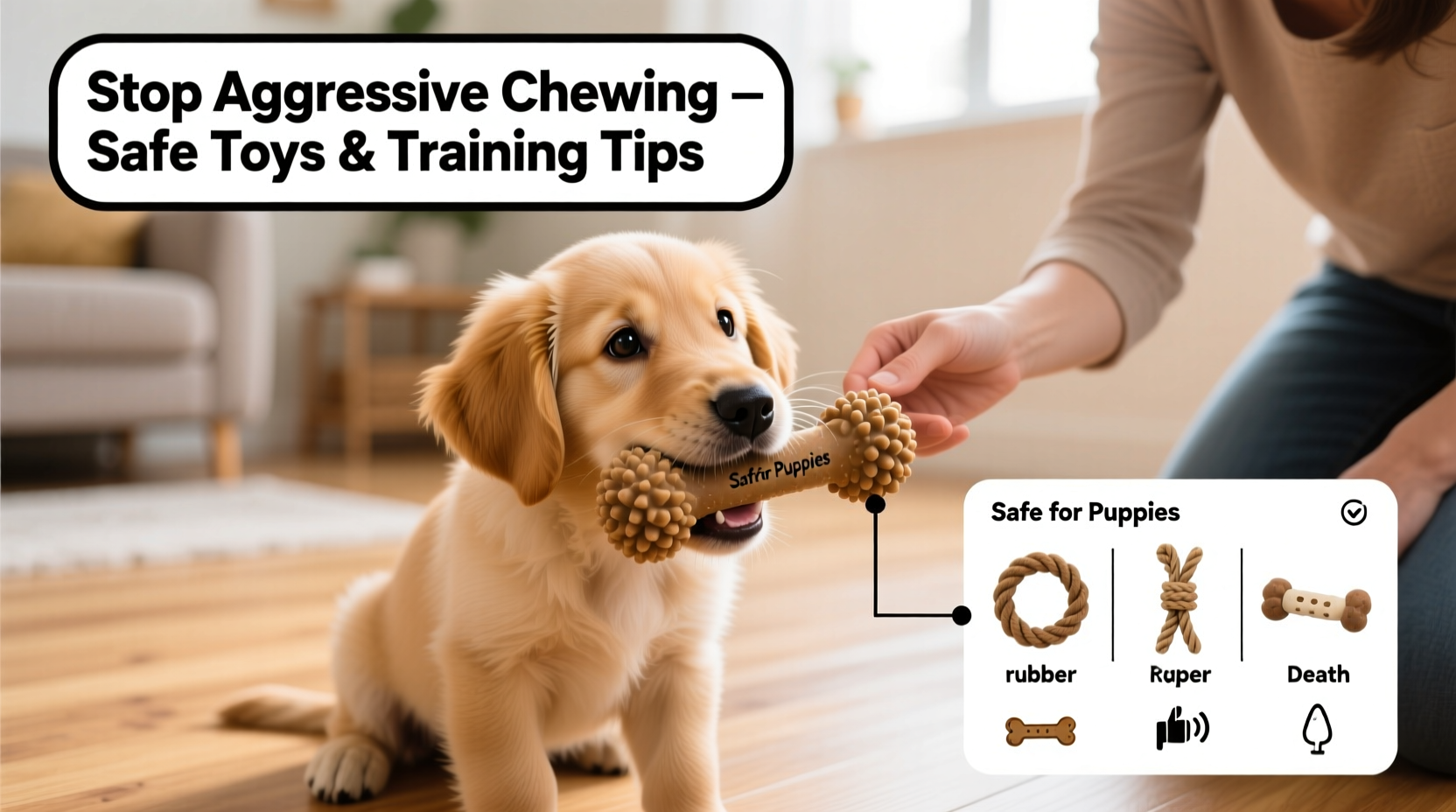
Chewing is instinctual. From three weeks to six months, puppies teethe, much like human babies. Their gums ache as adult teeth emerge, prompting them to gnaw on anything within reach. But beyond teething, chewing satisfies curiosity, relieves boredom, and helps puppies cope with anxiety. When a puppy chews your coffee table leg or tears up a couch cushion, it’s rarely out of malice—it’s an attempt to self-soothe or explore.
Aggressive chewing often intensifies when puppies are under-stimulated or anxious. A lack of physical exercise, mental challenges, or social interaction can manifest in destructive behaviors. Recognizing these underlying causes is the first step in addressing the behavior effectively.
“Puppies don’t misbehave to annoy us—they behave based on instinct, need, and environment. Redirecting chewing starts with empathy.” — Dr. Karen Becker, Veterinary Behaviorist
Selecting Safe and Effective Chew Toys
Not all chew toys are created equal. Some are too soft and easily torn apart, posing choking hazards. Others are too hard and can damage developing teeth. Choosing the right toy involves matching durability, texture, and safety to your puppy’s size, breed, and chewing style.
| Type of Toy | Best For | Avoid If |
|---|---|---|
| Rubber toys (e.g., Kong Puppy) | Teething, moderate chewers | Puppy has allergies to rubber materials |
| Nylon bones (soft variety) | Durability, long chewing sessions | Puppy has sensitive teeth or gums |
| Plush toys (with no small parts) | Companionship, light chewing | Puppy tends to rip and swallow stuffing |
| Frozen washcloths or teething rings | Relieving sore gums during teething | Puppy chokes on fabric fibers |
| Edible chews (e.g., yak milk chews) | Long-lasting engagement | Puppy has digestive sensitivities |
Always supervise your puppy during chewing sessions, especially with edible treats or new toys. Remove any toy that begins to break into small pieces. Look for products labeled non-toxic, BPA-free, and designed specifically for puppies—not adult dogs.
Training Techniques to Reduce Destructive Chewing
Redirecting chewing requires consistency, timing, and positive reinforcement. Punishment-based methods often backfire, creating fear without teaching the puppy what to do instead. Instead, focus on guiding your puppy toward acceptable alternatives.
Step-by-Step Guide: Redirecting Chewing Behavior
- Catch the behavior early. Interrupt chewing on forbidden items immediately but calmly—say “Ah-ah” or clap once to startle gently.
- Remove the inappropriate item. Do not wrestle it away; offer a trade instead.
- Present a suitable chew toy. Hold up an approved toy and encourage your puppy to take it.
- Reinforce the swap. Praise enthusiastically or give a treat when your puppy chews the correct item.
- Repeat consistently. Every incident is a training opportunity. Over time, your puppy learns the pattern.
This method works because it replaces correction with guidance. The puppy isn’t punished for being a puppy—they’re rewarded for making better choices.
Use Crate Training to Manage Chewing
When unsupervised, confine your puppy to a safe space such as a crate or puppy-proofed room. This prevents access to off-limit items and protects both your belongings and your puppy. Ensure the area includes appropriate chew toys and comfort items like a soft bed or blanket.
The crate should never be used as punishment. Instead, make it a den-like retreat filled with positive associations—feed meals inside, offer chew toys only there, and praise calm behavior.
Environmental Management: Puppy-Proofing Your Home
No amount of training will fully prevent chewing if your puppy has constant access to tempting targets. Proactive prevention is essential.
- Store shoes, cords, books, and clothing out of reach.
- Use cord protectors for electrical wires.
- Install baby gates to block off rooms with fragile or chewable items.
- Apply bitter-tasting deterrent sprays (pet-safe) to furniture legs or baseboards.
- Keep trash cans lidded and secured.
Think like a puppy: anything at ground level is fair game. Walk through your home from a four-legged perspective to identify risks. Prevention reduces frustration for both you and your puppy, allowing training efforts to succeed.
Mini Case Study: Max, the Labrador Puppy
Max, a 14-week-old yellow Lab, was tearing up baseboards in his owner’s apartment. His family thought he was “just being stubborn,” but closer observation revealed a pattern: the chewing occurred mostly in the evening after walks, when Max was overstimulated but had no outlet.
His owners began rotating frozen Kongs filled with yogurt and banana every afternoon. They also installed a gate to block the hallway where baseboards were chewed. Whenever Max started nudging a wall, they redirected him to a nubby rubber toy and praised him lavishly for chewing it.
Within two weeks, the baseboard damage stopped. By 20 weeks, Max ran to his toy basket when excited instead of seeking out furniture. The change wasn’t due to discipline—it came from understanding Max’s needs and structuring his environment accordingly.
Common Mistakes That Worsen Chewing Behavior
Even well-meaning owners can accidentally reinforce destructive chewing. Avoid these pitfalls:
- Letting it slide sometimes. If your puppy chews a sock one day and gets redirected the next, confusion sets in. Rules must be consistent.
- Using hands during play. Wiggling fingers near a puppy’s mouth teaches them that skin is chewable. Use toys instead.
- Providing inappropriate chew items. Old shoes or towels may seem like good chew toys, but they teach your puppy that footwear is acceptable to gnaw.
- Over-relying on punishment. Yelling or rubbing a puppy’s nose in messes damages trust and doesn’t teach alternatives.
- Ignoring teething discomfort. Hard nylon bones might be too harsh for tender gums. Offer softer, cool options during peak teething months.
“Consistency is more powerful than intensity. Five minutes of redirection every day beats one hour of correction once a week.” — Sarah Hodgson, Certified Dog Trainer
FAQ: Common Questions About Puppy Chewing
How long does aggressive puppy chewing last?
Most puppies chew intensely between 8 and 20 weeks due to teething. However, chewing for exploration and stress relief can continue until maturity—at around 12 to 18 months. With proper training, the behavior becomes manageable and focused on appropriate items.
Are antler or rawhide chews safe for puppies?
Generally, no. Antlers are extremely hard and can fracture puppy teeth. Rawhide expands in the stomach and poses choking and digestive blockage risks. Safer alternatives include soft rubber toys, knotted cotton ropes, or vet-approved edible chews made for puppies.
My puppy only wants to chew on me. What should I do?
Mouthing people is common during play. Immediately stop interaction and turn away when your puppy bites. Once they calm down, offer a chew toy. Teach bite inhibition by yelping softly when bitten too hard—this mimics littermate feedback. Never hit or shout; instead, redirect firmly and consistently.
Checklist: Stopping Aggressive Chewing in 7 Steps
- ✅ Identify and remove dangerous or tempting chew targets.
- ✅ Stock up on age-appropriate, durable chew toys.
- ✅ Supervise your puppy closely during free-roam time.
- ✅ Redirect chewing instantly with a trade-up technique.
- ✅ Reinforce good choices with praise or treats.
- ✅ Establish a daily routine with exercise and mental stimulation.
- ✅ Use confinement (crate or pen) when you can’t supervise.
Conclusion: Building Lifelong Habits Through Patience and Guidance
Aggressive chewing isn’t a phase to endure—it’s a developmental stage to navigate with care. By providing safe outlets, consistent training, and a structured environment, you teach your puppy not just what *not* to chew, but what *they can* chew, and when. These early lessons lay the foundation for a well-mannered adult dog.
Remember, every puppy is different. Some settle into good habits quickly; others need more time and tailored strategies. Stay patient, stay consistent, and celebrate small victories. The effort you invest now pays dividends in peace of mind, preserved furniture, and a stronger bond with your pet.




 浙公网安备
33010002000092号
浙公网安备
33010002000092号 浙B2-20120091-4
Comments
No comments yet. Why don't you start the discussion?