
For millions of cat owners, the joy of feline companionship comes with an unavoidable challenge: odor control. Even the cleanest homes can struggle with lingering smells from the litter box. But persistent odors aren’t inevitable. With the right approach—combining smart products, consistent routines, and environmental adjustments—it’s entirely possible to eliminate unpleasant scents and maintain a fresh, inviting living space. This guide breaks down the most effective, scientifically supported methods to stop cat litter from smelling for good.
Understanding the Source of Litter Box Odor
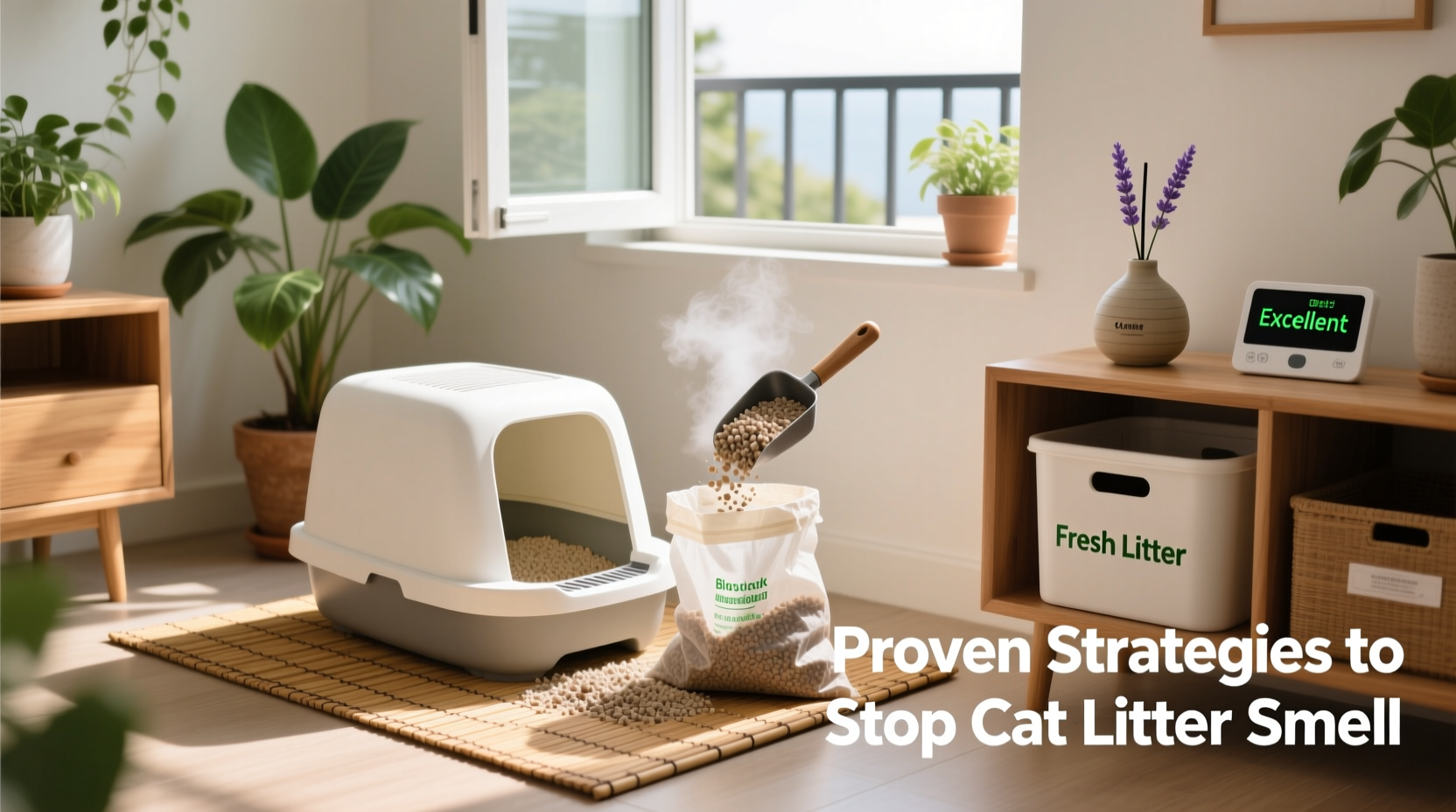
Cat urine contains urea, which bacteria break down into ammonia—a pungent gas responsible for the sharp, acrid smell commonly associated with dirty litter boxes. Feces contribute additional volatile organic compounds (VOCs) that produce foul odors. Over time, these compounds accumulate in litter, surrounding surfaces, and even in the air if not properly managed.
The key to long-term odor control lies in interrupting this cycle at multiple points: absorption, bacterial growth, ventilation, and cleaning frequency. Simply masking the smell with air fresheners is a temporary fix; real results come from addressing root causes.
“Ammonia buildup from urine decomposition is not only unpleasant but can be harmful to both cats and humans with respiratory sensitivities.” — Dr. Lena Peterson, DVM, Feline Health Specialist
Choose the Right Litter: The Foundation of Odor Control
Not all litters are created equal when it comes to odor management. The type of litter you use significantly influences how well smells are contained. Below is a comparison of common litter types based on their odor-fighting performance.
| Litter Type | Odor Control | Dust Level | Pet Safety | Best For |
|---|---|---|---|---|
| Clay (Non-Clumping) | Poor | High | Moderate | Budget users; short-term use |
| Clumping Clay | Fair | Medium | Good | Most households; daily scooping |
| Silica Gel Crystals | Excellent | Very Low | Excellent | Low-maintenance homes; strong odor control |
| Wood Pellets | Good | Low | Excellent | Natural preference; eco-conscious owners |
| Wheat or Corn-Based | Good | Low | Good | Allergy-sensitive homes |
Silica gel crystals, for example, are highly porous and absorb moisture and odors deep within their structure. They last longer than traditional clay and reduce the frequency of full litter changes. Wood-based litters naturally neutralize ammonia due to their pH-balancing properties, making them ideal for sensitive environments.
Step-by-Step Guide to Daily and Weekly Maintenance
Consistency is more important than intensity when managing litter odor. A small daily effort prevents major problems later. Follow this routine for optimal freshness:
- Day 1–7: Daily Scooping – Remove solid waste and clumps every morning. Use a high-quality sifting scoop to catch smaller clumps. Dispose of waste in a sealed bag.
- Day 7: Full Litter Change (if using clay or plant-based) – Completely empty the box, wash with mild, unscented soap and warm water. Avoid ammonia or bleach-based cleaners, as residual scents may repel your cat.
- Every 30 Days: Deep Clean – Even with crystal litter, perform a full disinfection monthly. Soak the box in a 1:3 vinegar-water solution for 15 minutes, rinse thoroughly, and dry completely before refilling.
- Ongoing: Replace liners and mats weekly – Plastic liners trap moisture and odors over time. If used, replace them weekly. Clean litter mats with soapy water to prevent tracked-in bacteria.
This schedule prevents bacterial colonies from establishing in damp, soiled litter—where odor multiplies exponentially after just 48 hours.
Improve Ventilation and Placement
Location matters. Many owners place litter boxes in basements, closets, or laundry rooms for discretion—but these areas often lack airflow, trapping odors. Poor ventilation allows ammonia and VOCs to concentrate, creating a persistent smell that spreads through ductwork.
Move the litter box to a well-ventilated area near a window or door, if possible. If relocation isn’t feasible, install a small exhaust fan or use a quiet desktop fan nearby to increase air circulation. Consider placing a HEPA air purifier with an activated carbon filter within 6 feet of the box. These filters are specifically designed to capture odor particles and neutralize gases like ammonia.
Real Example: How One Household Eliminated Persistent Odors
The Rivera family had struggled with a musty smell in their basement for months, despite daily scooping. Their two cats used a standard clumping litter in a covered box tucked behind the washer. After consulting a vet behaviorist, they made three key changes:
- Switched to silica crystal litter
- Moved the box to a corner of the utility room with better airflow
- Added a compact air purifier with a carbon filter
Within one week, household complaints ceased. Two months later, guests no longer noticed any pet-related odors. The cats adapted quickly to the new location and showed no signs of avoidance. The family now cleans the box fully only once a month, saving time and money.
Proven Add-Ons That Actually Work
Beyond litter and cleaning, several products enhance odor control when used correctly:
- Activated charcoal bags: Place near the litter box to passively absorb moisture and smells. Rechargeable by placing in sunlight monthly.
- Enzymatic cleaners: Use weekly on the box exterior and floor around it. Enzymes break down organic residues invisible to the eye.
- Odor-locking lids: Choose boxes with carbon-filtered vents instead of solid covers, which trap smells inside and discourage cats.
Avoid aerosol sprays, plug-ins, and scented litter deodorizers. Artificial fragrances often irritate cats’ sensitive noses and can lead to inappropriate elimination. Instead, rely on physical absorption and microbial control.
Checklist: Your 7-Point Plan for a Smell-Free Litter Area
Follow this checklist weekly to ensure lasting freshness:
- ☑ Scoop waste at least once per day
- ☑ Use a litter with strong absorption (e.g., silica or wood-based)
- ☑ Wash the litter box weekly with mild soap or vinegar solution
- ☑ Replace litter completely every 2–4 weeks (depending on type)
- ☑ Position the box in a ventilated, low-traffic area
- ☑ Use an air purifier with a carbon filter nearby
- ☑ Clean surrounding floors and walls monthly to remove residue
FAQ: Common Questions About Litter Odor
Why does my litter box still smell even after scooping?
Microscopic urine residues remain in porous litter and plastic boxes. Ammonia-producing bacteria thrive in these damp micro-environments. To solve this, switch to non-porous litter (like silica), clean the box weekly, and consider replacing old plastic trays every 6–12 months.
Can baking soda eliminate cat litter odor?
Yes, but with limits. Baking soda is mildly alkaline and absorbs some moisture and odor. Sprinkle a thin layer at the bottom of the box before adding litter. However, it’s less effective than specialized absorbents like activated carbon or zeolite. Don’t rely on it alone for heavy odor issues.
How many litter boxes should I have?
Veterinarians recommend one box per cat, plus one extra. In multi-cat homes, spacing boxes in different locations prevents territorial avoidance and reduces overall odor concentration in one area.
Take Action for a Cleaner, Fresher Home
Eliminating cat litter odor isn’t about finding a magic product—it’s about building a sustainable system that works with your lifestyle and your cat’s needs. From selecting high-performance litter to optimizing placement and maintenance, each step compounds toward a noticeably fresher environment. The benefits go beyond smell: reduced ammonia exposure supports respiratory health for both pets and people, while a clean litter area encourages consistent use and minimizes behavioral issues.




 浙公网安备
33010002000092号
浙公网安备
33010002000092号 浙B2-20120091-4
Comments
No comments yet. Why don't you start the discussion?