
Cats are naturally curious, agile, and intelligent animals. Their instinct to explore height, swat at dangling objects, and test their environment often leads to one frustrating behavior: knocking items off shelves. Whether it's a favorite mug, a photo frame, or an expensive piece of decor, feline antics can turn a tidy home into a minefield of broken objects. While this behavior is normal, it doesn’t have to be tolerated. With the right strategies, you can redirect your cat’s energy, modify your space, and maintain harmony in your household.
The key lies not in punishment, but in understanding why cats engage in this behavior and creating an environment that satisfies their instincts without sacrificing your belongings.
Why Cats Knock Things Off Shelves
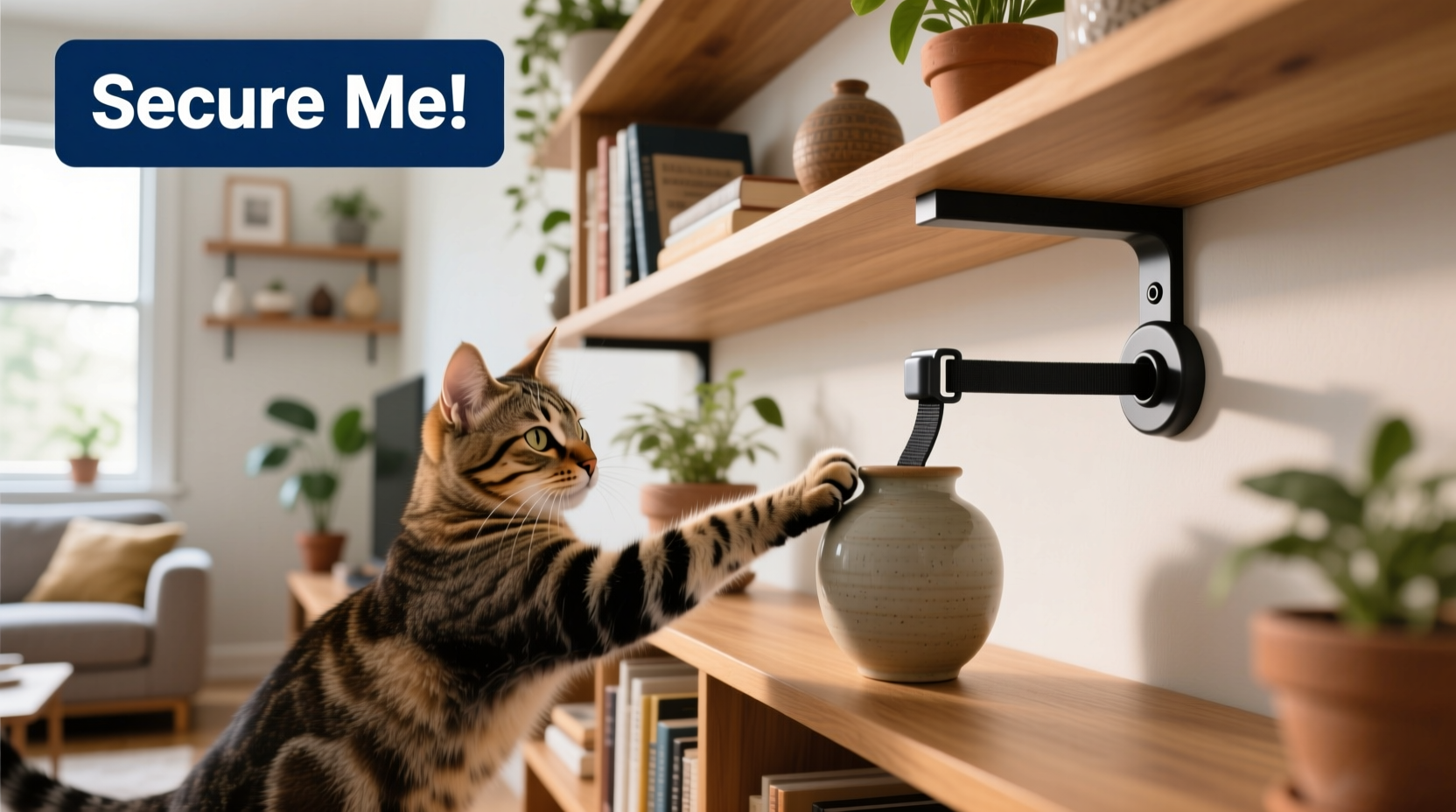
To address the behavior effectively, it helps to understand its roots. Cats don’t knock things over out of malice or spite. Instead, several instinctual and psychological factors contribute:
- Hunting simulation: Swatting at objects mimics batting prey around, satisfying predatory instincts.
- Sensory exploration: Cats use their paws to investigate texture, movement, and weight—knocking something off provides instant feedback.
- Attention-seeking: If the action gets a reaction (even negative), cats may repeat it for engagement.
- Height preference: Cats love elevated spaces. Shelves and counters offer vantage points, and anything on them becomes fair game.
- Boredom or excess energy: Indoor cats without sufficient mental stimulation may resort to destructive play.
Understanding these motivations allows for targeted solutions that respect both your cat’s nature and your need for order.
Step-by-Step Guide to Prevent Shelf Knockovers
Stopping this behavior requires consistency, environmental adjustments, and behavioral redirection. Follow this five-step approach for lasting results:
- Assess high-risk zones: Identify shelves, tables, or countertops where knockovers frequently occur. Note what types of objects are involved—lightweight, dangling, or noisy items tend to attract attention.
- Remove temptation: Clear fragile or valuable items from accessible surfaces. Store them in cabinets or behind glass doors.
- Modify shelf appeal: Use double-sided tape, aluminum foil, or motion-activated air sprays on shelves to make them less inviting.
- Redirect energy: Provide alternative outlets like interactive toys, puzzle feeders, or climbing structures to channel hunting instincts.
- Reinforce positive behavior: Reward your cat with treats or praise when they interact appropriately with toys or stay off restricted areas.
This process isn’t instantaneous. It takes 2–6 weeks of consistent application to see meaningful change, especially if the habit is well-established.
Effective Environmental Modifications
Your home layout plays a crucial role in shaping your cat’s behavior. Strategic changes can reduce temptation while enhancing your cat’s quality of life.
Use Physical Barriers and Deterrents
Make shelves less appealing without removing your cat’s access to vertical space:
- Shelf dividers: Install low acrylic or wooden barriers to prevent objects from being pushed over easily.
- Non-slip mats: Place rubber shelf liners under decorative items to increase grip.
- Deterrent tapes: Products like Sticky Paws use textures cats dislike (but are safe) to discourage pawing.
- Motion-activated devices: Devices such as Ssscat emit a harmless burst of air when movement is detected, teaching cats to avoid certain zones.
Redesign with Cat-Friendly Zones
Instead of restricting all elevated access, create designated cat zones:
- Install wall-mounted cat shelves or perches away from your valuables.
- Add window hammocks or catio extensions for outdoor views.
- Place toys, scratching posts, or beds on approved platforms to encourage use.
Cats don’t just want space—they want purposeful space. When they have engaging alternatives, they’re far less likely to misuse your bookshelves.
Behavioral Training and Mental Stimulation
Training a cat requires patience, but it’s entirely possible to shape their habits through positive reinforcement.
Clicker Training for Object Safety
Clicker training can teach your cat to leave items alone:
- Click and treat when your cat approaches a shelf but doesn’t touch anything.
- Gradually increase the challenge—require longer durations of non-contact.
- Introduce a cue word like “leave it” paired with the click.
Over time, your cat learns that self-control earns rewards.
Daily Enrichment Routine
A bored cat is a destructive cat. Implement a structured enrichment plan:
| Time of Day | Activity | Purpose |
|---|---|---|
| Morning | Interactive wand toy session (5–10 min) | Burn energy, simulate hunting |
| Afternoon | Food puzzle or treat ball | Mental stimulation, slow feeding |
| Evening | Laser pointer or feather toy chase | Physical exertion, bonding |
| Night | Automatic toy rotation (e.g., motorized mouse) | Prevent nocturnal mischief |
Consistent daily play reduces unwanted behaviors by up to 70%, according to feline behavior studies.
“Cats aren’t being ‘naughty’ when they knock things over—they’re expressing natural behaviors in an environment that doesn’t meet their needs.” — Dr. Sarah Ellis, Feline Behavior Scientist, University of Lincoln
Checklist: How to Stop Cats From Knocking Things Off Shelves
Use this practical checklist to systematically address the issue:
- ✅ Remove fragile or sentimental items from accessible shelves
- ✅ Install non-slip shelf liners under remaining objects
- ✅ Apply cat-safe deterrents (e.g., double-sided tape, aluminum foil)
- ✅ Provide multiple cat trees, perches, or wall shelves in safe areas
- ✅ Engage in two 10-minute interactive play sessions daily
- ✅ Use food puzzles or treat-dispensing toys regularly
- ✅ Reward calm behavior near shelves with treats or affection
- ✅ Avoid reacting loudly when items are knocked over—stay neutral
- ✅ Rotate toys weekly to maintain interest
- ✅ Consider a pheromone diffuser (like Feliway) if anxiety contributes
Completing this checklist doesn’t guarantee overnight success, but it creates a foundation for long-term behavioral improvement.
Mini Case Study: The Bookshelf Problem
Samantha, a graphic designer in Portland, struggled with her 3-year-old tabby, Milo, who consistently knocked books and framed art off a floating shelf in her living room. Despite repeated attempts to scold him, the behavior worsened. After consulting a certified cat behaviorist, she implemented a multi-pronged strategy:
- She installed a low-clear acrylic barrier along the front edge of the shelf.
- She moved Milo’s favorite perch to a nearby cat tree and placed a feather toy there.
- She began two daily play sessions using a Da Bird wand toy.
- She stopped reacting when items fell, instead praising Milo when he used his cat tree.
Within three weeks, knockover incidents dropped from 4–5 times daily to once every few days. By week six, they had stopped entirely. The key was combining physical modification with environmental enrichment and consistent reinforcement.
Do’s and Don’ts: What Works and What Doesn’t
Not all advice is equally effective. This table separates evidence-based strategies from common misconceptions.
| Do’s | Don’ts |
|---|---|
| Provide alternative climbing and perching options | Yell at or spray your cat with water |
| Use positive reinforcement for desired behavior | Leave tempting, lightweight objects on edges |
| Rotate toys to prevent boredom | Assume the cat is acting out of revenge |
| Use motion-activated deterrents temporarily | Confine your cat to a single room |
| Engage in daily interactive play | Use essential oils or citrus sprays (toxic to cats) |
Many outdated methods rely on punishment, which damages trust and fails to address root causes. Focus on prevention and redirection instead.
Frequently Asked Questions
Is my cat knocking things over to get attention?
Possibly. If your cat receives any reaction—positive or negative—when they knock something over, they may learn that the behavior generates interaction. To break this cycle, remain calm and unresponsive when accidents happen. Instead, reward quiet, appropriate behavior to reinforce better alternatives.
Can I train an older cat to stop this behavior?
Yes. While kittens are more malleable, adult and even senior cats can learn new habits with patience and consistency. Older cats may take longer to adapt, but environmental changes and enrichment are effective at any age. The key is persistence and avoiding punishment-based methods.
Are certain breeds more prone to this behavior?
Some breeds, like Bengals, Siamese, and Abyssinians, are more active and curious, making them more likely to engage in exploratory swatting. However, any cat can develop this habit, especially if under-stimulated. Breed tendencies should inform enrichment levels, not excuse the behavior.
Conclusion: A Peaceful Home Is Within Reach
Stopping your cat from knocking things off shelves isn’t about domination—it’s about design. By aligning your home environment with your cat’s natural instincts, you create a space where both of you can thrive. The solution lies not in restricting your cat’s curiosity, but in guiding it toward appropriate outlets. Through strategic modifications, consistent enrichment, and compassionate training, you can protect your belongings while strengthening your bond.
Start today. Pick one shelf, remove the fragile items, add a deterrent, and introduce a new toy. Small steps lead to big changes. Your cat isn’t trying to frustrate you—they’re trying to live fully. Meet them halfway, and you’ll both enjoy a calmer, more harmonious home.




 浙公网安备
33010002000092号
浙公网安备
33010002000092号 浙B2-20120091-4
Comments
No comments yet. Why don't you start the discussion?