
Cats scratch—it's a natural and essential behavior. They do it to shed the outer layers of their claws, mark territory through scent glands in their paws, stretch their muscles, and relieve stress. Unfortunately, when this instinct collides with your favorite sofa, the result can be shredded fabric, frayed edges, and frustration all around. While many pet owners turn to deterrent sprays, these often rely on scents cats dislike, which may not always be safe or long-term solutions. More importantly, they don’t address the root cause: your cat’s need to scratch.
The key to protecting your furniture isn’t suppression—it’s redirection. By understanding your cat’s motivations and providing appealing alternatives, you can preserve your sofa while keeping your feline happy and healthy. This guide explores proven, spray-free methods to stop cats from scratching your sofa, backed by animal behavior principles and real-world success.
Understand Why Cats Scratch Furniture
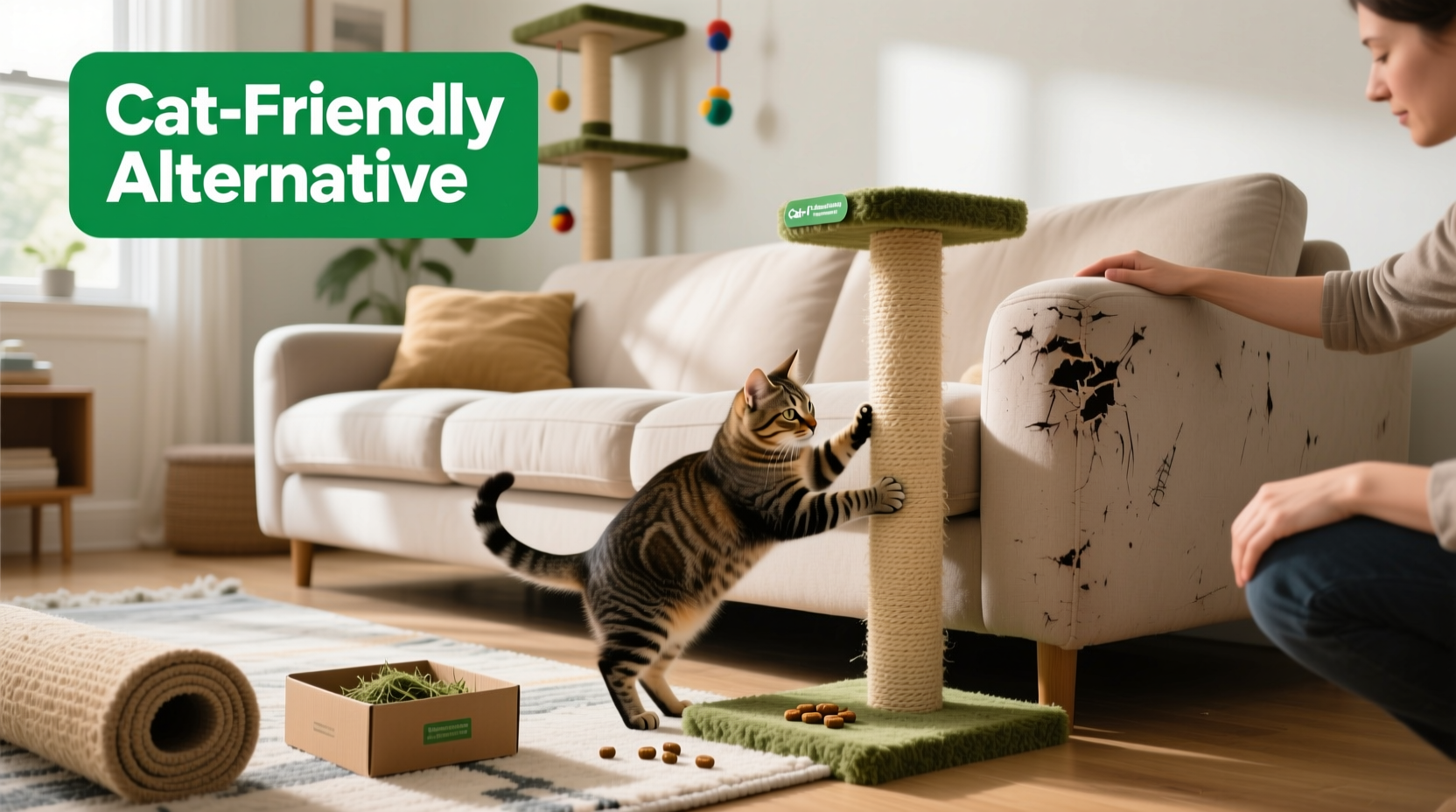
Before implementing solutions, it’s crucial to recognize that scratching is not destructive behavior—it’s necessary behavior expressed in an inconvenient location. Cats are hardwired to scratch for several reasons:
- Claw Maintenance: Scratching removes dead outer layers of the claws, keeping them sharp and functional.
- Scent Marking: Cats have scent glands between their paw pads. Each scratch leaves a visual and olfactory signal to other animals.
- Stretching and Exercise: A good scratch stretches the back, shoulders, and legs—especially after naps.
- Stress Relief: Repetitive motions like scratching can be calming, especially in multi-cat households or during environmental changes.
When a cat chooses your sofa over other surfaces, it’s usually because the texture, height, stability, or location aligns perfectly with their preferences. Instead of asking “How do I stop my cat from scratching?” reframe the question: “How can I give my cat a better option?”
Provide Appealing Alternatives to Your Sofa
The most effective way to protect your sofa is to offer a more attractive scratching surface nearby. Cats often scratch near resting areas or entrances to rooms, so placing alternatives in high-traffic zones increases adoption.
Choose the Right Scratching Posts and Pads
Not all scratching posts are created equal. Many commercially available options fail because they’re too short, wobbly, or covered in unappealing materials. A successful post should meet these criteria:
- Height: At least 30 inches tall for vertical scratching so your cat can fully extend its body.
- Stability: Must be sturdy enough not to tip when scratched vigorously.
- Texture: Most cats prefer coarse, fibrous materials like sisal rope, corrugated cardboard, or natural wood.
- Orientation: Offer both vertical and horizontal options—some cats prefer side-to-side scratching.
Sisal-covered posts are consistently rated as top choices by cat behaviorists. Horizontal scratchers made of corrugated cardboard are also popular and inexpensive, though they require replacement every few months.
Strategic Placement Matters
Place scratchers directly next to the sofa or in the exact spot where your cat typically scratches. Once your cat begins using the new surface consistently (usually within 1–2 weeks), you can gradually move it a few inches per day to a less obtrusive location, if desired.
“Cats don’t respond well to punishment, but they do respond to opportunity. Give them a better place to scratch, and they’ll take it.” — Dr. Sarah Ellis, Feline Behavior Scientist, University of Lincoln
Make the Sofa Less Appealing (Without Sprays)
While redirection is the primary strategy, modifying the sofa itself can help break the habit. The goal isn’t to punish the cat, but to make the surface temporarily less inviting while the new scratching habits take hold.
Use Physical Barriers
Temporary coverings can deter scratching without altering your cat’s environment permanently:
- Fabric Throws: Drape thick cotton blankets, denim, or faux sheepskin over targeted areas. These textures are less satisfying to scratch than upholstery.
- Aluminum Foil or Plastic Mats: Temporarily apply these to the arms or corners of the sofa. The sound and texture are naturally off-putting to most cats.
- PVC Pipe or Carpet Runner (Upside Down): Place textured carpet runners with the nubby side up on the floor near the sofa to discourage climbing and scratching.
These barriers should remain in place only until your cat consistently uses the designated scratcher—typically 2 to 4 weeks. Remove them gradually once the new habit is established.
Alter the Surface Feel
Cats often return to the same spot because the fabric feels “right.” Disrupting that sensation can interrupt the pattern:
- Attach double-sided tape (non-toxic varieties like Sticky Paws) to armrests. The sticky feeling on their paws discourages repeated contact.
- Use slipcovers with tightly woven fabrics that resist claw penetration, such as microfiber or leather-look vinyl.
Step-by-Step Plan to Redirect Scratching Behavior
Changing your cat’s behavior requires consistency and patience. Follow this 4-week timeline to phase out sofa scratching naturally.
- Week 1: Observation & Setup
- Identify the exact spots on the sofa being targeted.
- Install a sturdy sisal post or cardboard scratcher adjacent to the sofa.
- Apply a temporary deterrent (e.g., aluminum foil) to the scratched area.
- Week 2: Encourage Use
- Sprinkle catnip or silvervine on the new scratcher.
- Gently guide your cat to the post and mimic scratching motions with your fingers.
- Reward your cat with treats or praise immediately after use.
- Week 3: Reinforce Habits
- Gradually reduce the size of the deterrent surface (e.g., replace foil with a small throw).
- Add a second scratcher in another high-use room (like the bedroom).
- Maintain positive reinforcement each time the correct surface is used.
- Week 4: Transition & Monitor
- Remove all physical deterrents if scratching has stopped.
- Reposition scratchers slightly away from the sofa if desired.
- Continue monitoring for relapses, especially during stressful events.
Checklist: How to Protect Your Sofa Without Sprays
Use this actionable checklist to implement a comprehensive, humane solution:
- ✅ Identify your cat’s preferred scratching texture and orientation
- ✅ Purchase at least one tall, stable sisal post and one horizontal cardboard scratcher
- ✅ Place scratchers near the sofa and other lounging areas
- ✅ Use temporary barriers (foil, throws, tape) on targeted sofa areas
- ✅ Apply catnip or silvervine to attract your cat to new scratchers
- ✅ Reward your cat with treats or affection when using the right surface
- ✅ Trim front claws every 2–3 weeks to minimize damage
- ✅ Replace worn scratchers before they lose appeal
Real Example: Turning Around a Chronic Scratcher
When Maria adopted Luna, a 2-year-old tabby, she quickly discovered the cat had a passion for destroying couches. Within two weeks, the arms of her linen sofa were frayed and peeling. She tried citrus sprays, which only worked briefly before Luna returned.
Determined to avoid declawing or rehoming, Maria consulted a certified cat behavior consultant. She learned Luna preferred vertical scratching on rough fabric. Maria bought a 32-inch sisal post and placed it beside the sofa, wrapping the damaged arm in a soft fleece throw. She sprinkled silvervine on the post and played near it daily.
Within ten days, Luna was using the post regularly. After three weeks, Maria removed the throw and noticed no further damage. Six months later, Luna ignores the sofa entirely and even uses a second scratcher by the bedroom window. The key, Maria says, was giving Luna a better option—not just blocking the bad one.
Do’s and Don’ts: Protecting Furniture Humanely
| Do’s | Don’ts |
|---|---|
| Offer multiple scratching surfaces in different locations | Use physical punishment or yelling when caught scratching |
| Trim claws regularly to reduce damage potential | Relocate scratchers abruptly after initial placement |
| Rotate scratcher types (cardboard, sisal, wood) to maintain interest | Assume one scratcher is enough for a multi-cat household |
| Use positive reinforcement when your cat uses the right surface | Ignore signs of stress or anxiety that may increase scratching |
| Replace worn scratchers promptly | Use plastic covers that trap heat and discourage use |
Frequently Asked Questions
Can I train an older cat to stop scratching the sofa?
Yes. While kittens are easier to shape behaviorally, adult and senior cats can learn new habits with consistency. Older cats may have stronger routines, so it may take longer—up to six weeks—but the same principles of redirection and positive reinforcement apply.
What if my cat scratches the sofa only when left alone?
This could indicate anxiety or boredom. Consider adding environmental enrichment such as puzzle feeders, window perches, or automated toys. Increased mental stimulation reduces compulsive behaviors. You might also try leaving a piece of your clothing on a nearby scratcher to provide comfort through your scent.
Are there any furniture-friendly cat breeds?
No breed is completely non-destructive, but some cats are less inclined to scratch frequently. Breeds like Ragdolls or British Shorthairs tend to be more laid-back, but individual personality matters more than breed. Proper training and environment play a bigger role than genetics.
Conclusion: Coexistence Is Possible
Protecting your sofa doesn’t require sacrificing your cat’s well-being or resorting to temporary fixes like sprays. By respecting your cat’s natural instincts and offering better alternatives, you create a home where both human and feline needs are met. The process takes time, observation, and consistency—but the results are lasting.
Start today by placing a sturdy scratcher near your cat’s favorite lounging spot. Watch how they respond. Adjust based on their preferences. Celebrate small wins. With patience and empathy, you can save your furniture and strengthen your bond with your cat—all without a single spray bottle.




 浙公网安备
33010002000092号
浙公网安备
33010002000092号 浙B2-20120091-4
Comments
No comments yet. Why don't you start the discussion?