
Clothes shrinking in the dryer is one of the most frustrating laundry mishaps. You pull out a favorite sweater or shirt only to find it now fits a child instead of an adult. While fabric shrinkage might seem inevitable, especially with natural fibers like cotton and wool, it’s largely preventable. The key lies in understanding how heat, moisture, and agitation affect different materials—and making small but strategic changes to your routine. With the right knowledge and a few clever tricks, you can keep your wardrobe fitting perfectly wash after wash.
Understanding Why Clothes Shrink in the Dryer
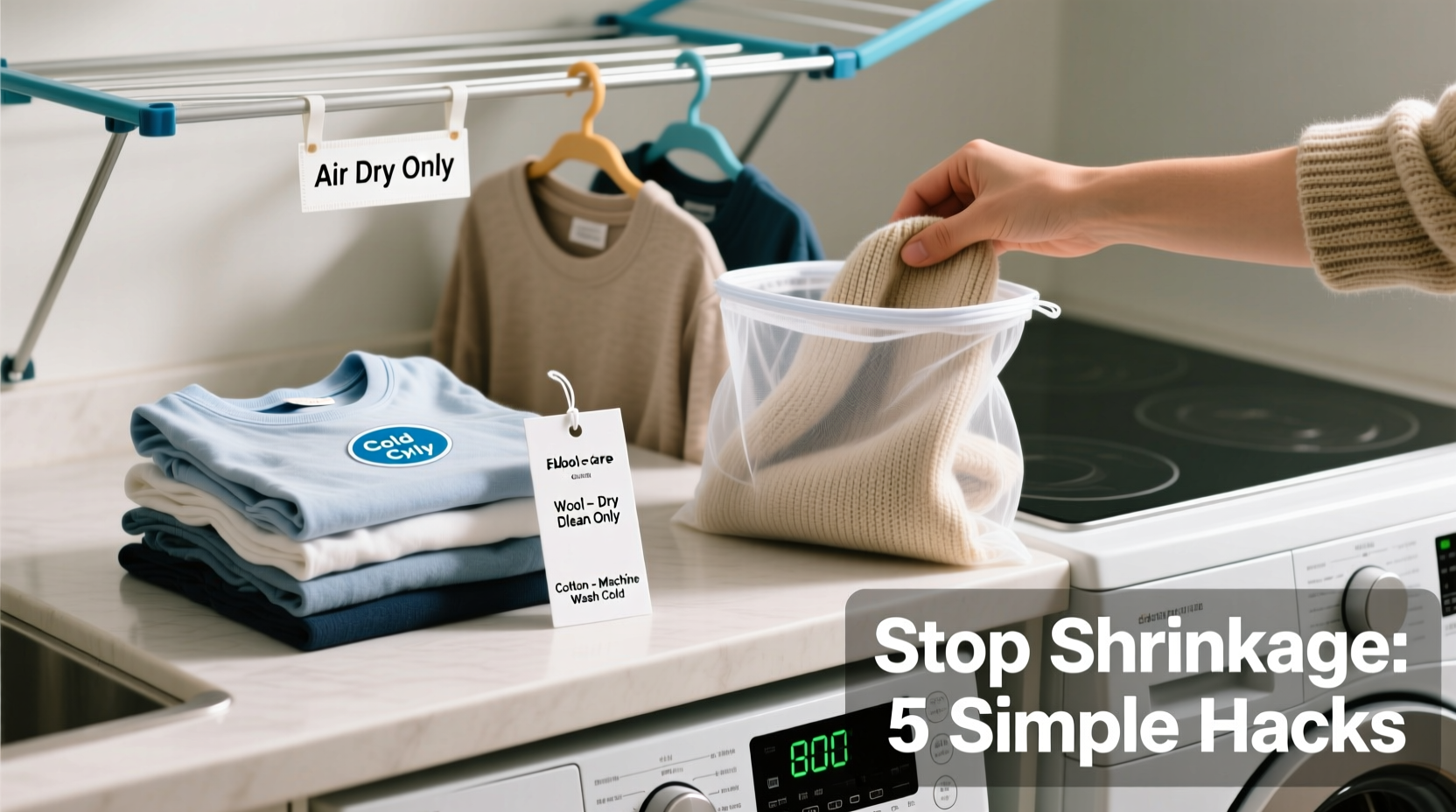
Shrinkage occurs when the fibers in fabric contract due to exposure to heat, moisture, and mechanical stress. Most dryers use high heat to evaporate water quickly, but this intense environment can cause fibers to tighten and pull together, reducing the garment’s overall size. Natural fibers are particularly vulnerable:
- Cotton: Highly absorbent and prone to shrinking when exposed to high heat. Untreated cotton can shrink up to 5–10% in the first few washes.
- Wool: Sensitive to both heat and agitation. High heat causes the scales on wool fibers to lock together—a process known as felting—permanently altering the shape and size.
- Linen: Strong when wet, but repeated high-heat drying weakens fibers and encourages shrinkage over time.
- Synthetic blends: Less likely to shrink than natural fibers, but excessive heat can still damage elasticity and cause warping, especially in spandex or polyester blends.
Manufacturers often pre-shrink fabrics before garments are sold, but not all do. Labels may say “pre-shrunk,” but even those items aren’t immune to gradual shrinkage under harsh conditions.
“Most shrinkage happens during drying, not washing. Controlling heat exposure is the single most effective way to preserve garment size.” — Dr. Lena Patel, Textile Scientist at the Institute for Apparel Innovation
Simple Laundry Hacks to Prevent Shrinkage
Preventing shrinkage doesn’t require expensive equipment or complicated routines. These practical, everyday strategies can dramatically extend the life and fit of your clothes.
1. Use Low or No Heat Settings
The most direct way to prevent shrinkage is to reduce heat. Most dryers have multiple settings: high, medium, low, and air-dry (no heat). Opt for low heat or no heat whenever possible, especially for delicate or natural-fiber garments.
2. Remove Clothes While Slightly Damp
Over-drying increases shrinkage risk. Pulling clothes out while they’re still slightly damp allows them to retain more fiber flexibility. Hang or lay flat to finish drying—this also helps maintain shape and prevents stiffness.
3. Air-Dry When Possible
Airing clothes is the safest method for preserving fabric integrity. Hang shirts, sweaters, and jeans on a drying rack or clothesline. Not only does this eliminate heat exposure, but it also reduces energy costs and minimizes wear from tumbling.
4. Turn Clothes Inside Out
While this won’t stop shrinkage directly, turning garments inside out protects the outer surface from abrasion and fading. It also helps maintain the original texture and appearance, especially for knits and printed fabrics.
5. Wash in Cold Water
Heat starts in the washer. Using cold water reduces initial fiber stress before clothes even reach the dryer. Modern detergents work effectively in cold water, making this an easy switch with multiple benefits: less shrinkage, color preservation, and lower energy bills.
Do’s and Don’ts: A Quick Reference Table
| Fabric Type | Do’s | Don’ts |
|---|---|---|
| Cotton | Wash in cold water; dry on low heat or air-dry; remove promptly | Never use high heat; avoid overloading the dryer |
| Wool | Hand-wash or use wool cycle; lay flat to dry; store folded | Never tumble dry; avoid wringing or hanging when wet |
| Linen | Wash gently in cold; dry flat or hang; iron while damp | Avoid high-heat drying; don’t leave bunched in the washer |
| Polyester Blends | Use low heat; remove immediately; store properly | Don’t expose to prolonged high heat; avoid ironing directly |
| Denim | Wash infrequently; turn inside out; air-dry | Don’t dry completely in the machine; avoid daily washing |
Step-by-Step Guide: How to Dry Clothes Without Shrinking Them
Follow this five-step process to minimize shrinkage every time you do laundry:
- Check the care label. Always read the manufacturer’s instructions. Look for symbols indicating maximum washing temperature, drying methods, and special handling.
- Sort by fabric type and weight. Separate heavy items (like towels) from lightweight garments (like t-shirts). This prevents uneven drying and reduces tumbling intensity on delicate pieces.
- Wash in cold water on a gentle cycle. Use a mild detergent and avoid overloading the machine. Overcrowding leads to poor cleaning and increased friction.
- Transfer promptly to the dryer—or skip it entirely. If using a dryer, select low heat or air-dry mode. For sensitive items, bypass the dryer and move straight to a drying rack.
- Remove and reshape immediately. Take clothes out as soon as the cycle ends. Smooth out wrinkles, stretch collars or cuffs if needed, and hang or fold to finish drying.
Real Example: Sarah’s Sweater Rescue
Sarah loved her cream-colored merino wool sweater but noticed it was getting tighter after each wash. After just three machine washes and dryings, the sleeves barely reached her wrists. Frustrated, she took it to a local tailor who explained that wool fibers had felted due to heat and agitation. She switched tactics: hand-washing in cold water with wool-safe detergent, rolling it in a towel to remove excess moisture, then laying it flat on a mesh rack to dry. After two months, not only did the sweater stop shrinking—it retained its softness and shape better than ever. Sarah now follows this method for all her knitwear and has saved hundreds on replacements.
Expert Tips for Long-Term Fabric Care
Beyond avoiding the dryer, long-term garment care involves smarter habits across your entire laundry workflow.
Use Wool Dryer Balls Instead of Sheets
Wool dryer balls reduce drying time by separating clothes and improving airflow. They soften fabrics naturally without chemicals and can cut drying time by 20–30%, reducing heat exposure. Unlike dryer sheets, they don’t leave residue that can clog fibers.
Limit Washing Frequency
Not everything needs washing after one wear. Jeans, jackets, and wool sweaters can be aired out and spot-cleaned between uses. Over-washing breaks down fibers and accelerates wear and shrinkage.
Invest in a Mesh Laundry Bag
For delicates like lingerie, baby clothes, or fine knits, use a mesh bag during washing. It reduces friction and protects seams and elastic, helping garments maintain their original dimensions.
Reshape While Damp
If you air-dry sweaters or T-shirts, take a moment to gently stretch them back into shape. Lay flat on a clean towel, align the shoulders, and smooth out the body. This prevents distortion and maintains consistent sizing.
“Clothing isn’t disposable. With proper care, a well-made garment should last years—not just a season.” — Marcus Reed, Sustainable Fashion Advocate
Laundry Checklist: Prevent Shrinkage in 7 Steps
Print or save this checklist to follow with every load:
- ✅ Read care labels before washing any new item
- ✅ Sort clothes by fabric type and drying needs
- ✅ Wash in cold water using a gentle cycle
- ✅ Avoid overloading the washer or dryer
- ✅ Use low heat or air-dry settings for sensitive fabrics
- ✅ Remove clothes while slightly damp to finish drying naturally
- ✅ Reshape and store properly once fully dry
FAQ: Common Questions About Clothes Shrinkage
Can you unshrink clothes that have already shrunk?
Partially. Soak the garment in lukewarm water with a tablespoon of hair conditioner for 30 minutes. Gently stretch it back into shape while wet, then lay flat to dry. This works best on wool and cotton but won’t restore synthetic blends fully.
Is it safe to dry 100% cotton on low heat?
Low heat is safer than high, but repeated drying—even on low—can still cause gradual shrinkage. For long-term preservation, air-drying is recommended. If using a dryer, remove cotton items while slightly damp and let them finish drying off-machine.
Why do some clothes shrink only the first time?
Many fabrics, especially cotton, undergo initial relaxation of fibers during manufacturing. The first wash releases this tension, causing the most noticeable shrinkage. Pre-shrunk garments minimize this, but poor drying habits can lead to ongoing contraction over time.
Final Thoughts: Small Changes, Lasting Results
Stopping clothes from shrinking doesn’t require drastic lifestyle changes. Simple shifts—like switching to cold water, lowering dryer heat, or embracing air-drying—add up to significant savings and sustainability. You’ll get more wear from each piece, reduce waste, and keep your closet looking sharp. Think of your laundry routine as a form of garment stewardship. Every choice, from sorting to drying, impacts how long your clothes last.




 浙公网安备
33010002000092号
浙公网安备
33010002000092号 浙B2-20120091-4
Comments
No comments yet. Why don't you start the discussion?