
Digging is a natural behavior for dogs, rooted in instinct, boredom, or environmental triggers. While it may seem destructive, punishing your dog for digging rarely works and can damage trust. Instead, addressing the root cause with patience and humane strategies leads to lasting results. This guide explores science-backed, compassionate methods to redirect your dog’s energy and protect your yard—without resorting to harsh corrections.
Understanding Why Dogs Dig
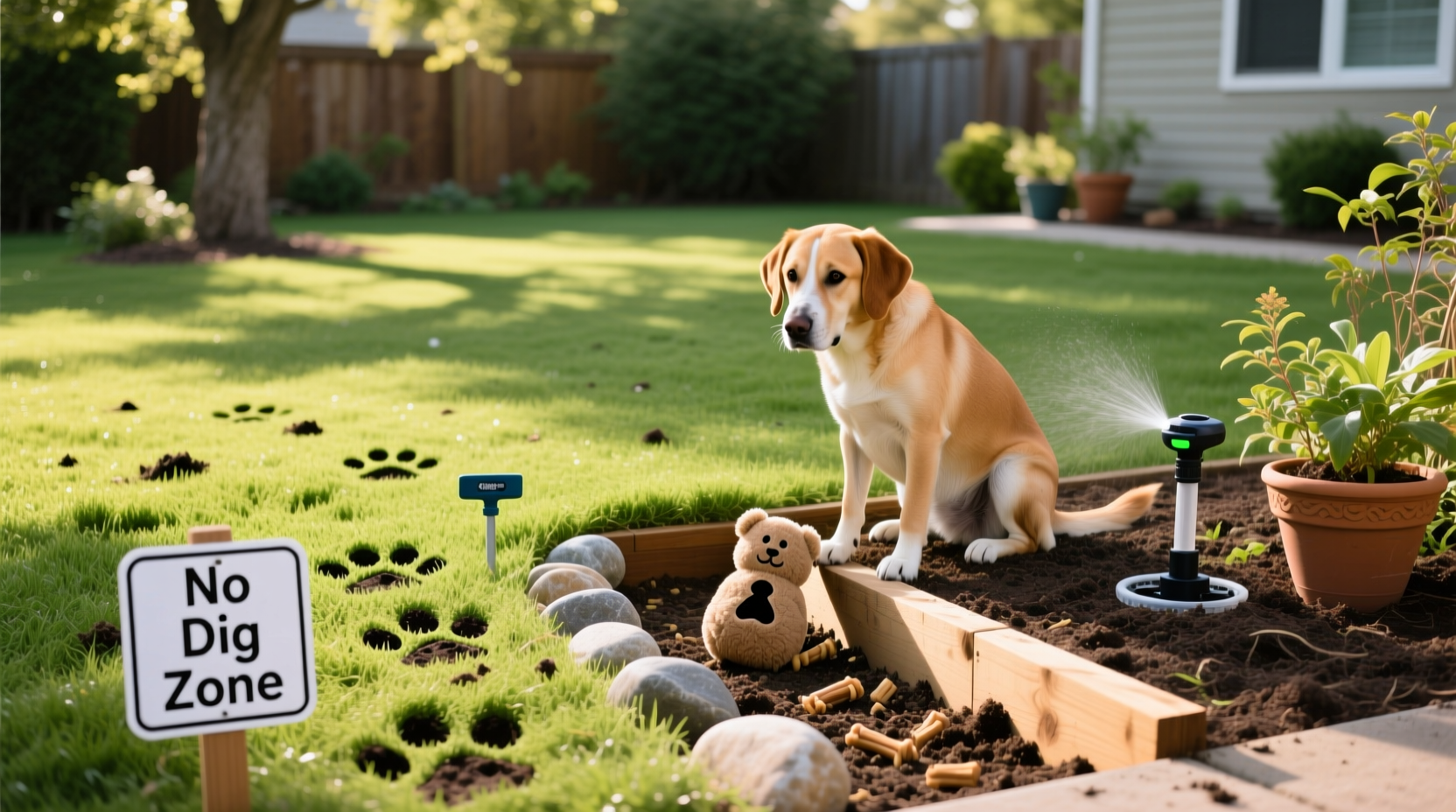
Dogs don’t dig out of spite or rebellion. Their behavior is usually driven by one or more underlying causes:
- Boredom or excess energy: High-energy breeds like Border Collies or Huskies need physical and mental stimulation. Without it, they create their own entertainment—often in the form of holes.
- Instinctual hunting: Terriers and other scent-driven breeds may dig to chase small animals like moles or insects beneath the surface.
- Thermoregulation: Dogs dig to cool off in summer or create warm spots in winter. Shallow pits in sunny areas often indicate temperature-seeking behavior.
- Escape attempts: Some dogs dig near fences trying to get out, especially if they’re anxious, unneutered, or chasing scents.
- Anxiety or stress: Separation anxiety or fear (e.g., from loud noises) can trigger compulsive digging as a coping mechanism.
- Stashing items: Burying toys or treats mimics food-hoarding instincts seen in wild canids.
Identifying the reason behind your dog’s digging is the first step toward solving it humanely. Observe when, where, and how your dog digs. Is it always in one corner? Does it happen only when you leave? These clues help tailor your response.
Humane Training and Behavior Modification
Positive reinforcement is far more effective than punishment in changing unwanted behaviors. The goal isn’t to suppress digging entirely—it’s to redirect it appropriately.
Designate a Digging Zone
Create a specific area where digging is allowed. Use a sandbox or fill a section of the yard with loose sand or soft soil. Bury toys or treats to encourage use.
- Choose a shady, accessible spot away from gardens and patios.
- Mix in enticing scents like old socks or chewed-up toys.
- When your dog digs elsewhere, calmly interrupt and redirect them to the designated zone.
- Immediately reward digging in the right place with praise or treats.
This method respects your dog’s instinct while setting boundaries. Over time, they learn where digging is acceptable.
Interrupt and Redirect
If you catch your dog mid-dig, avoid yelling or startling them. Instead, use a neutral interruption like a hand clap or “uh-oh,” then call them away and offer an alternative activity—a toy, walk, or training game.
“Dogs thrive on consistency and clarity. Redirecting behavior with positive alternatives builds trust and reduces stress.” — Dr. Karen Becker, DVM, Integrative Veterinary Specialist
Teach the ‘Leave It’ Command
This foundational command helps manage many problem behaviors, including digging.
- Hold a treat in a closed fist and present it to your dog.
- When they sniff or paw, wait silently until they back away.
- Say “leave it” the moment they stop, then reward with a different treat from your other hand.
- Practice daily, gradually increasing distractions.
- Use the cue when your dog starts to dig, followed by redirection.
With repetition, your dog learns self-control and associates stopping digging with rewards.
Environmental Enrichment and Exercise
A tired dog is less likely to dig. Physical and mental exercise reduces excess energy that fuels destructive habits.
Daily Exercise Requirements by Breed Type
| Breed Group | Minimum Daily Exercise | Recommended Activities |
|---|---|---|
| Herding (e.g., Australian Shepherd) | 90+ minutes | Agility, fetch, herding trials |
| Working (e.g., Siberian Husky) | 120+ minutes | Running, sledding, hiking |
| Terrier (e.g., Jack Russell) | 60–90 minutes | Sniffing games, puzzle toys |
| Toys (e.g., Cavalier King Charles) | 30–45 minutes | Indoor play, short walks |
| Hounds (e.g., Beagle) | 60 minutes | Nose work, tracking |
Exercise should be both aerobic (running, walking) and cognitive (training, puzzles). A 30-minute walk paired with 15 minutes of trick training is more fulfilling than two hours of passive yard time.
Mental Stimulation Ideas
- Food-dispensing toys like Kongs or snuffle mats
- Hide-and-seek games with treats or toys
- Training new commands 3–5 times per week
- Rotating toys weekly to maintain novelty
Yard Modifications and Deterrents
Make undesirable digging areas less appealing while enhancing the overall usability of your yard.
Physical Barriers
Install temporary or permanent barriers around vulnerable zones:
- Chicken wire under mulch or flower beds (lay flat and stake down)
- Large rocks or pavers in common digging spots
- Fencing extensions buried 6–12 inches underground to prevent escape digging
These aren’t punitive—they simply make certain areas less inviting without restricting freedom.
Natural Deterrents
Some scents discourage digging without harming your dog or lawn:
- Citrus peels (orange, lemon) buried shallowly
- Used coffee grounds scattered lightly
- Vinegar-water spray (1:1 ratio) applied to hotspots
Test a small area first to ensure no plant damage. Reapply after rain.
Landscape Smartly
Choose dog-friendly yard layouts:
- Use gravel or stepping stones in high-traffic zones to reduce soil access.
- Plant tough ground covers like clover or ornamental grasses instead of delicate flowers.
- Install shaded seating or cooling pads to reduce digging for comfort.
Case Study: Reducing Digging in a High-Energy Siberian Husky
Max, a 2-year-old Siberian Husky in Colorado, was digging multiple holes along the fence line every day. His owners initially tried spraying him with water and yelling, but the behavior worsened. A certified trainer observed Max and noted several factors:
- He was left alone for 8 hours daily with minimal exercise.
- The backyard had no shade or toys.
- Digging occurred mostly in the afternoon—coinciding with peak heat.
The intervention plan included:
- Adding a 45-minute morning run and 30-minute evening walk.
- Introducing two rotating puzzle toys filled with kibble.
- Creating a digging box filled with sand and hidden bones.
- Installing a covered doghouse with a cooling mat.
- Placing chicken wire under his favorite digging spot.
Within three weeks, Max stopped digging outside the sandbox. His owners reported he spent most of his outdoor time lounging or playing with his toys. After six weeks, the holes were filled and the yard recovered.
This case illustrates that combining exercise, enrichment, and environmental changes addresses the root causes humanely and effectively.
Checklist: 7 Steps to Stop Yard Digging Humanely
Follow this actionable checklist to reduce or eliminate unwanted digging:
- Observe and identify the type and timing of digging behavior.
- Ensure your dog gets breed-appropriate daily exercise.
- Provide at least two interactive toys rotated weekly.
- Create a designated digging zone with buried rewards.
- Redirect digging immediately with positive alternatives.
- Use humane deterrents in off-limits areas (e.g., citrus, rocks).
- Consult a veterinarian or behaviorist if anxiety or compulsion is suspected.
Common Mistakes to Avoid
Even well-meaning owners sometimes use counterproductive tactics. Steer clear of these:
| Don't | Why It's Harmful | Do Instead |
|---|---|---|
| Punishing after the fact | Dogs can’t connect delayed punishment to the act. | Redirect in the moment with calm cues. |
| Burying rocks or sharp objects | Causes pain and erodes trust. | Use smooth pavers or chicken wire. |
| Leaving dog alone for long periods | Increases boredom and anxiety. | Arrange midday walks or doggy daycare. |
| Using shock collars or sprays | Triggers fear and aggression. | Train with positive reinforcement. |
FAQ
Can neutering reduce digging behavior?
Yes, in some cases. Unneutered male dogs may dig to escape and seek mates. Neutering can reduce roaming motivation, especially when combined with training. However, it won’t fix digging caused by boredom or instinct.
My dog only digs when I’m not home. What should I do?
This may indicate separation anxiety. Record your dog when you’re away to confirm. Solutions include crate training, leaving calming music, using pheromone diffusers (like Adaptil), and gradually increasing alone time. Consult a behaviorist if digging is frantic or accompanied by destructive chewing.
Are certain breeds more prone to digging?
Absolutely. Terriers (e.g., Cairn, Westie), Beagles, and Northern breeds (Huskies, Malamutes) have strong digging instincts. Accepting some level of digging and providing outlets is key. Breeding history matters—terriers were bred to go to ground after prey.
Final Thoughts and Action Plan
Stopping a dog from digging isn’t about domination—it’s about understanding. Humane solutions focus on meeting your dog’s physical, mental, and emotional needs while guiding behavior through kindness and consistency. There is no one-size-fits-all fix, but with observation and patience, nearly every dog can learn to enjoy the yard without destroying it.
Start today: assess your dog’s routine, set up a digging zone, and increase mental engagement. Small changes compound into big results. Remember, a dog who digs isn’t misbehaving—they’re communicating. Respond with empathy, and you’ll build a stronger bond while preserving your yard.




 浙公网安备
33010002000092号
浙公网安备
33010002000092号 浙B2-20120091-4
Comments
No comments yet. Why don't you start the discussion?