
It starts innocently enough: you pick up your phone to check the time or respond to one message. Ten minutes later, you're deep in a rabbit hole of news headlines, social media feeds, and viral videos. Hours pass unnoticed. Your eyes burn, your mind races, and sleep feels impossible. This is doom scrolling—compulsive, often negative digital consumption that thrives in the quiet hours of the night. While it may feel like a harmless way to unwind, research shows it disrupts sleep, increases anxiety, and impairs next-day functioning. The good news? With intentional habits, this cycle can be broken.
Understanding Doom Scrolling: Why It’s So Hard to Stop
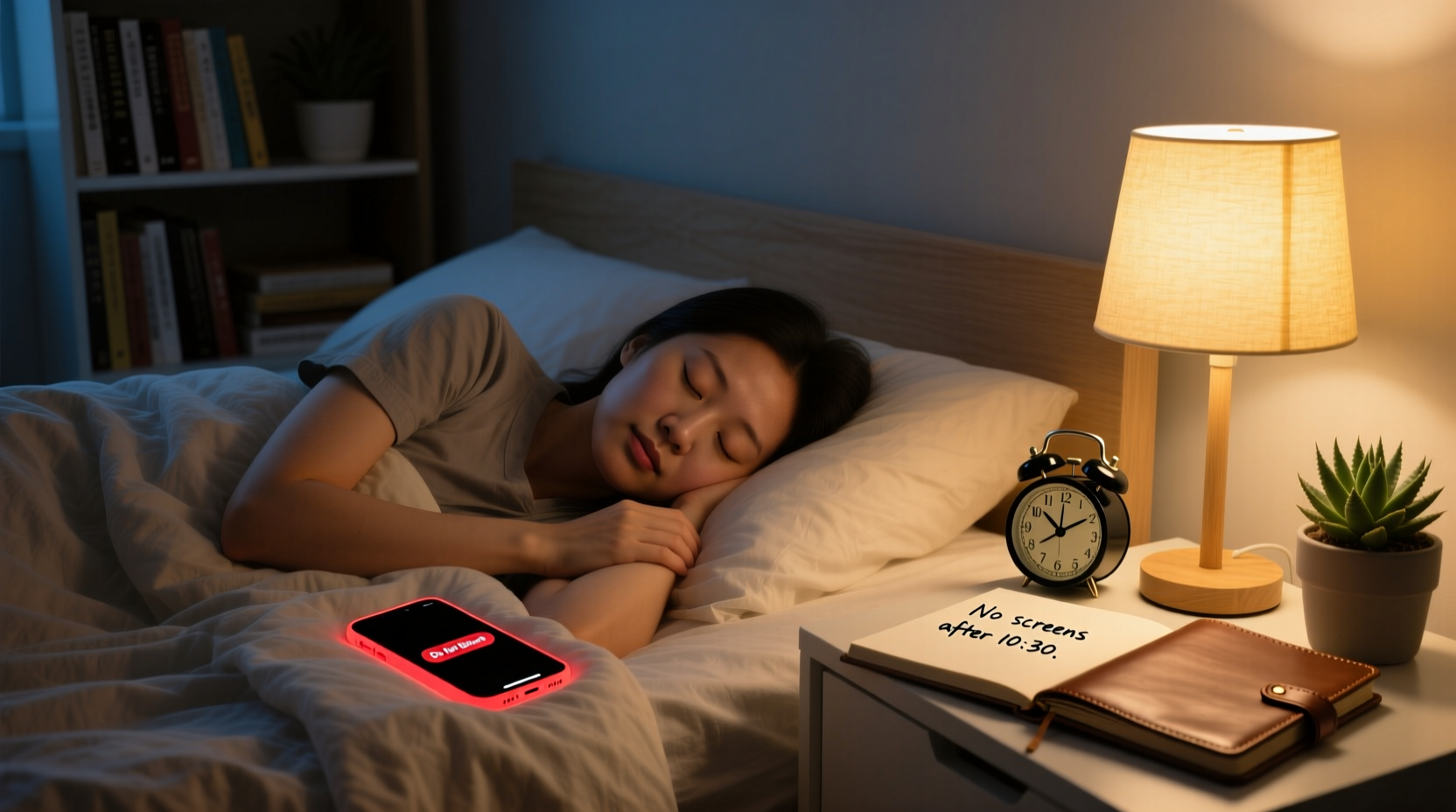
Doom scrolling isn’t just poor self-control—it’s engineered. Social media platforms use algorithms designed to maximize engagement by feeding emotionally charged content. At night, when willpower is low and emotional regulation weaker, these platforms become especially potent. The brain craves novelty and instant feedback, both of which are delivered in rapid succession through endless scrolling.
Nighttime also amplifies vulnerability. Without external distractions, people often turn to their phones to avoid uncomfortable thoughts, loneliness, or stress. A 2023 study from the University of Pennsylvania found that individuals who engaged in late-night screen use reported higher levels of rumination and lower sleep quality than those who disconnected earlier.
“Doom scrolling exploits our evolutionary wiring for threat detection. We’re drawn to negative information because historically, it signaled danger. Now, it keeps us awake and anxious.” — Dr. Lena Torres, Cognitive Behavioral Psychologist
The combination of algorithmic manipulation and psychological susceptibility makes nighttime scrolling particularly addictive. But understanding the mechanism is the first step toward regaining control.
Step-by-Step Guide to Breaking the Cycle
Breaking free from doom scrolling requires more than willpower. It demands structural changes to your environment, routines, and mindset. Follow this six-step approach to build sustainable change:
- Set a Digital Curfew: Choose a fixed time—ideally 60–90 minutes before bed—to power down all screens. Use calendar alerts or smart home routines to reinforce consistency.
- Replace the Habit with a Ritual: Identify what emotional need your scrolling fulfills (boredom, anxiety, loneliness) and replace it with a healthier alternative: journaling, reading fiction, light stretching, or herbal tea.
- Remove Temptation: Charge your phone outside the bedroom. If you use it as an alarm, invest in a traditional clock. Out of sight reduces impulsive use.
- Use App Limits Strategically: Enable built-in screen time tools (iOS Screen Time, Android Digital Wellbeing) to cap access to high-risk apps after 8 PM.
- Create a Wind-Down Playlist: Curate a playlist of calming music or ambient sounds. Play it nightly as a signal to your brain that it’s time to disengage.
- Track Progress Weekly: Keep a simple log of how many nights you avoided scrolling. Celebrate streaks to reinforce motivation.
Do’s and Don’ts of Nighttime Phone Use
| Do | Don't |
|---|---|
| Use grayscale mode after 7 PM to reduce visual appeal of apps | Scroll through news or social media right before bed |
| Keep a physical notebook by your bed for thoughts or ideas | Bring your phone into bed even “just to check” |
| Practice a 5-minute breathing exercise if you feel restless | Respond to non-urgent messages after 9 PM |
| Read a printed book or magazine to transition into sleep mode | Watch stimulating content like thrillers or debates |
| Use blue light blocking glasses if screen use is unavoidable | Rely on “I’ll just do it one more night” thinking |
Real Example: How Sarah Reclaimed Her Evenings
Sarah, a 34-year-old project manager, routinely spent two to three hours each night scrolling through Twitter and Instagram. She’d fall asleep around 1:30 AM, wake up exhausted, and repeat the cycle. After weeks of irritability and declining work performance, she decided to intervene.
She began by setting a digital curfew at 9:00 PM. To replace her scrolling habit, she bought a cozy reading lamp and started with short fiction books. She moved her phone charger to the kitchen and used a wind-down playlist featuring rain sounds and soft piano. Within ten days, she noticed she was falling asleep faster. By week four, her average bedtime had shifted to 10:30 PM, and she reported feeling more focused and emotionally balanced during the day.
“The hardest part was the first few nights,” Sarah shared. “I felt this urge to check my phone like I was missing something urgent. But once I filled that time with reading and tea, I realized I wasn’t missing anything—I was finally gaining back my peace.”
Essential Tools and Habits for Long-Term Success
Sustainable change comes not from perfection, but from consistent systems. These tools help maintain momentum:
- Screen Time Reports: Review weekly summaries to identify patterns. If TikTok usage spikes on Fridays, plan an alternative Friday ritual.
- Accountability Partner: Share your goal with a friend. Text them when you stick to your curfew—or when you slip up. Honest reflection builds resilience.
- Bedtime Journaling: Spend five minutes writing down three things you’re grateful for or one unresolved thought. This reduces the mental clutter that drives nighttime scrolling.
- Environment Design: Make your bedroom a tech-free sanctuary. Remove TVs, tablets, and chargers. Associate the space solely with rest.
- Mindful Notifications: Disable non-essential alerts. Allow only calls from close contacts after 8 PM. Reduce the “pull” of your device.
Checklist: Your 7-Day Plan to Stop Doom Scrolling
Follow this actionable checklist to establish new habits within a week:
- ☐ Set your digital curfew time (e.g., 9:00 PM)
- ☐ Move phone charger out of the bedroom
- ☐ Download a screen time tracking app and set limits for social media
- ☐ Choose a replacement activity (reading, journaling, stretching)
- ☐ Buy a physical alarm clock if needed
- ☐ Create a calming playlist or find a podcast series to listen to instead
- ☐ Write down one reason why reducing screen time matters to you (keep it visible)
- ☐ For each night, log whether you met your goal (Y/N)
- ☐ Reflect on day 7: How did your sleep and mood change?
Frequently Asked Questions
What if I need my phone for work at night?
If your job requires evening communication, create boundaries. Use separate devices if possible, or designate specific times (e.g., 7:00–7:30 PM) for checking work messages. Avoid switching to personal apps afterward. Consider using a work profile with restricted access to social platforms.
Is doom scrolling worse than watching TV before bed?
In many ways, yes. Passive TV viewing, while not ideal, doesn’t involve the same level of cognitive engagement or interactive feedback loops as scrolling. Scrolling activates decision-making, emotional responses, and rapid shifts in attention—all of which heighten alertness. However, stimulating TV content (like action shows or news) can also impair sleep. Opt for predictable, low-arousal programming if screen use is necessary.
How long does it take to break the habit?
Behavioral studies suggest that meaningful habit change takes between 21 and 66 days, depending on complexity and individual factors. You may notice improvements in sleep and focus within the first week, but true rewiring requires consistent repetition. Focus on progress, not perfection. Missing one night doesn’t erase gains—just restart the next evening.
Conclusion: Reclaim Your Nights, Reclaim Your Life
Doom scrolling isn’t a personal failing—it’s a predictable response to an environment designed to keep you engaged at any cost. But you have the power to redesign your own environment. By setting clear boundaries, replacing destructive habits with nourishing ones, and leveraging simple tools, you can transform your evenings from cycles of anxiety and fatigue into windows of calm and renewal.
Every night offers a fresh opportunity to choose presence over distraction, rest over reactivity, and intention over inertia. Start tonight. Put the phone down. Pick up a book, breathe deeply, and remember: the most important stories aren’t on your screen—they’re unfolding within you.




 浙公网安备
33010002000092号
浙公网安备
33010002000092号 浙B2-20120091-4
Comments
No comments yet. Why don't you start the discussion?