
It starts innocently enough: you pick up your phone to check the time or respond to one last message. Minutes turn into an hour. Before you know it, you're deep in a loop of negative headlines, social media comparisons, and endless video feeds. This is doom scrolling—compulsively consuming distressing or emotionally draining content, especially at night. It’s not just unproductive; it actively undermines your ability to fall asleep, stay asleep, and wake up feeling refreshed.
The consequences are real. Late-night screen exposure suppresses melatonin, the hormone that regulates sleep. The content itself—often anxiety-inducing or emotionally charged—keeps your mind racing when it should be winding down. Over time, this habit erodes sleep quality, increases stress, and can contribute to mood disorders like anxiety and depression.
The good news? You don’t need drastic measures to break free. With small, consistent changes, you can retrain your brain, protect your evenings, and restore restful sleep. Here’s how.
Create a Phone-Free Wind-Down Routine
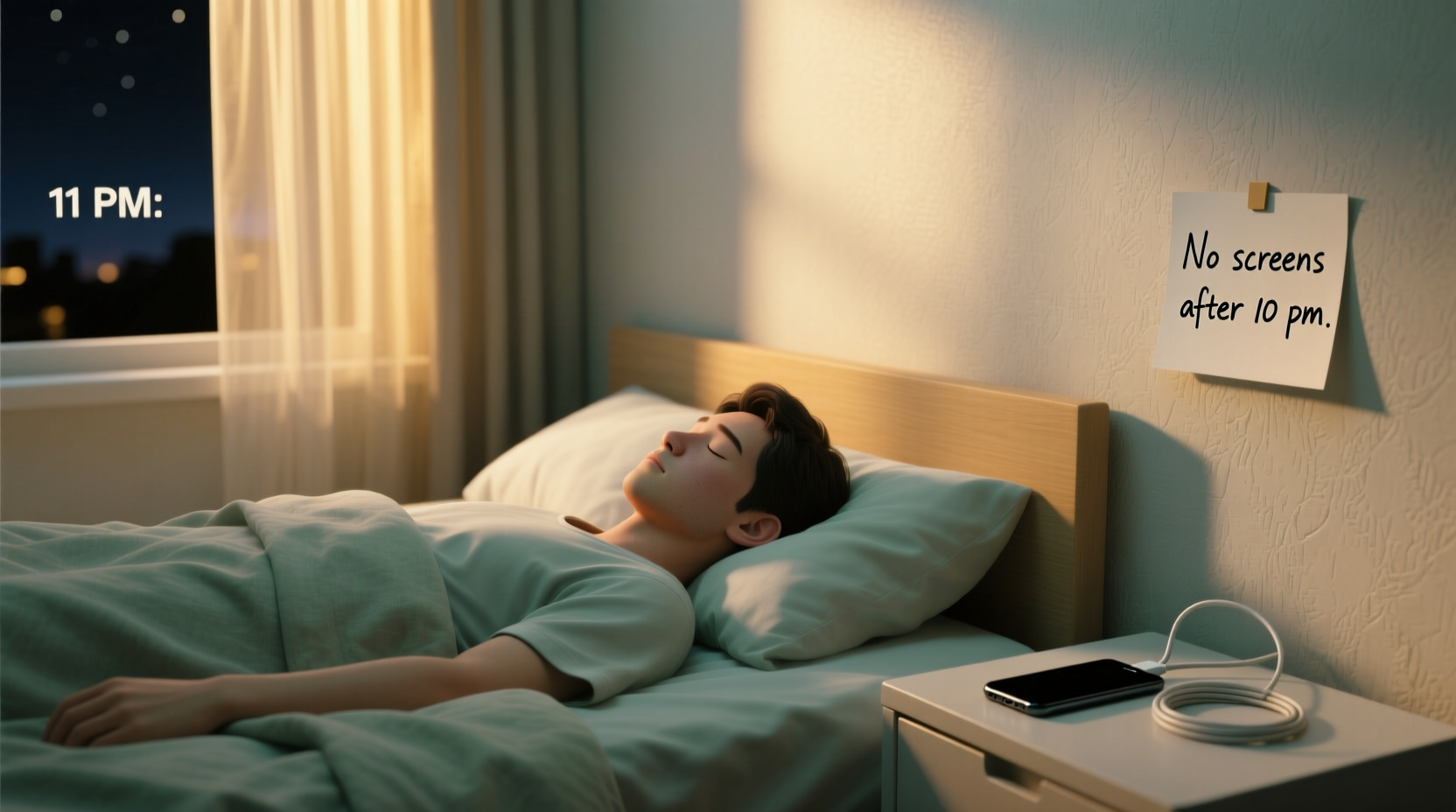
Your brain needs time to transition from stimulation to relaxation. Just as you wouldn’t sprint into bed after a high-intensity workout, you shouldn’t jump from social media feeds into sleep. A structured wind-down routine signals to your nervous system that it’s time to slow down.
Start by setting a “digital curfew” 60 to 90 minutes before bedtime. Choose a cutoff time—say, 9:30 PM—and commit to putting your phone away for the rest of the evening. Use that time to engage in calming activities: reading a physical book, journaling, light stretching, or listening to soothing music.
This simple act removes temptation and reduces dependency on your device. Over time, your brain begins to associate the bedroom with rest, not scrolling.
Replace Doom Scrolling with Intentional Alternatives
Habits are driven by cues, routines, and rewards. Doom scrolling persists because it offers instant gratification—a dopamine hit from likes, comments, or novelty—even if the content leaves you feeling worse afterward. To break the cycle, replace the routine with something equally rewarding but more nourishing.
Ask yourself: What need am I trying to meet when I scroll? Boredom? Loneliness? Stress relief? Once you identify the trigger, choose a healthier alternative:
- If you’re bored: Try a puzzle, sketch, or listen to a podcast with headphones.
- If you’re anxious: Practice five minutes of box breathing (inhale for four, hold for four, exhale for four, hold for four).
- If you’re lonely: Write a letter to a friend or call a loved one (but set a time limit).
- If you’re seeking distraction: Read fiction or try a guided meditation.
The key is intentionality. Instead of reacting automatically to the urge to scroll, pause and ask: “What do I really need right now?” Then act with purpose.
Optimize Your Environment for Sleep
Your surroundings shape your behavior. A bedroom filled with glowing screens and buzzing notifications makes resistance nearly impossible. But a space designed for calm makes healthy choices easier.
Begin by removing electronics—not just phones, but tablets, laptops, and TVs—from the bedroom. If you must keep a device nearby, enable grayscale mode after sunset. This reduces visual appeal and makes content less stimulating.
Next, adjust lighting. Swap bright overhead lights for warm, dim lamps. Consider using smart bulbs that gradually shift to red-orange hues in the evening, mimicking natural sunset patterns.
| Feature | Do | Avoid |
|---|---|---|
| Lighting | Use warm, dim lights after 8 PM | Bright white or blue-toned lighting |
| Device Location | Charge phone in another room | Keep phone on nightstand |
| Noise | Use white noise or nature sounds | Loud alerts or sudden pings |
| Bed Use | Sleep and intimacy only | Working, eating, or scrolling |
Environmental design isn’t about willpower—it’s about making the right choice the easy choice.
Build a Morning Reset to Reduce Nighttime Anxiety
Doom scrolling often stems from unresolved stress. When you go to bed carrying the weight of unfinished tasks or unprocessed emotions, your brain stays alert, scanning for threats. One effective way to reduce nighttime rumination is to address emotional load earlier in the day.
A morning “reset” ritual helps you start the day with clarity, reducing the mental clutter that fuels late-night anxiety. Spend 10–15 minutes each morning doing the following:
- Write down your top three priorities for the day.
- List any worries or lingering thoughts—get them out of your head.
- Practice five minutes of mindful breathing or gratitude reflection.
This practice doesn’t eliminate stress, but it creates space to process it consciously rather than letting it build up until bedtime. As a result, you’re less likely to seek distraction through scrolling when fatigue sets in.
“Sleep is not just about shutting off the body—it’s about giving the mind permission to rest. That starts long before bedtime.” — Dr. Lena Torres, Clinical Sleep Psychologist
Step-by-Step Guide to Break the Cycle in 7 Days
Changing habits takes consistency, not perfection. This seven-day plan provides a realistic roadmap to reduce doom scrolling and improve sleep hygiene gradually.
Day 1: Audit Your Habits
Note when and why you scroll at night. Keep a log: time, duration, emotional state, and content type. Awareness is the first step to change.
Day 2: Set a Digital Curfew
Choose a time to put your phone away (e.g., 9:00 PM). Announce it to household members for accountability.
Day 3: Prepare Replacement Activities
Stock your evening space with alternatives: a book, journal, crossword, or calming playlist. Make them visible and accessible.
Day 4: Move Charging Outside the Bedroom
Buy an alarm clock if needed. Charge your phone in the kitchen or living room. Use a traditional alarm to avoid temptation.
Day 5: Implement Grayscale Mode
Enable grayscale in your phone settings during evening hours. Less color = less engagement.
Day 6: Practice a 5-Minute Wind-Down
At your curfew, do a short ritual: stretch, breathe, sip herbal tea, or write down one thing you’re grateful for.
Day 7: Reflect and Adjust
Review your progress. Did you scroll less? Sleep better? Adjust your approach based on what worked.
Real Example: How Sarah Reduced Her Screen Time by 70%
Sarah, a 34-year-old project manager, used to spend 2–3 hours every night scrolling through news sites and Instagram. She’d fall asleep past midnight, wake up groggy, and feel anxious before her feet even hit the floor.
After learning about the link between doom scrolling and sleep disruption, she decided to experiment. She started by charging her phone in the kitchen and reading a novel for 20 minutes before bed. The first few nights were hard—she caught herself reaching for her phone out of habit. But within a week, she began looking forward to her quiet reading time.
She added a gratitude journal and replaced late-night news with a weekly Sunday recap. After three weeks, her average bedtime shifted from 1:15 AM to 10:45 PM. She reported feeling calmer, more focused at work, and no longer dependent on caffeine to function.
“I didn’t realize how much mental noise I was absorbing until I stopped,” she said. “Now, my evenings feel like mine again.”
FAQ
What if I need my phone for emergencies?
If you’re responsible for overnight care or on-call duties, consider using a secondary device (like an old phone) set to silent except for calls from specific contacts. Alternatively, enable emergency bypass for certain people while muting all other notifications.
Can I still use my phone for relaxation, like meditation apps?
Yes—but with boundaries. Use audio-only features with your eyes closed, or download content in advance so you don’t navigate apps in the dark. Avoid opening browsers or social media after starting your wind-down.
How long does it take to break the doom scrolling habit?
Research suggests that habit formation varies widely, but most people see meaningful change within 3–4 weeks of consistent effort. The key is repetition, not speed. Slip-ups are normal; what matters is returning to your plan without self-judgment.
Final Checklist: Your Action Plan to Stop Doom Scrolling
- ✅ Set a daily digital curfew (60–90 min before bed)
- ✅ Charge your phone outside the bedroom
- ✅ Replace scrolling with a calming activity (reading, journaling, etc.)
- ✅ Enable grayscale mode in the evening
- ✅ Remove non-sleep uses of your bed (no phones, work, or TV)
- ✅ Practice a short wind-down ritual (breathing, stretching, tea)
- ✅ Conduct a weekly review of your progress and adjust as needed
Reclaim Your Nights, Restore Your Sleep
Doom scrolling isn’t a personal failure—it’s a predictable response to an environment designed to keep you engaged. But you have the power to redesign your habits and your evenings. By introducing small, sustainable changes, you can silence the noise, quiet your mind, and create space for true rest.
Sleep isn’t a luxury. It’s the foundation of mental clarity, emotional resilience, and physical health. Every night you choose presence over panic, calm over chaos, you’re investing in a healthier, more balanced life.




 浙公网安备
33010002000092号
浙公网安备
33010002000092号 浙B2-20120091-4
Comments
No comments yet. Why don't you start the discussion?