
Humid weather transforms even the most well-groomed hair into a frizzy, unmanageable halo. When moisture in the air penetrates the hair shaft, it causes the cuticle to swell and lift—especially in curly or wavy hair types—leading to volume, puffiness, and loss of definition. While commercial anti-frizz products often rely on silicones and synthetic chemicals, many people are turning to natural remedies that nourish the hair without buildup or long-term damage. The good news: nature offers powerful solutions that hydrate, seal, and protect your hair from humidity’s effects. With consistent care and the right ingredients, you can maintain sleek, soft, and defined hair—even in the stickiest conditions.
Understanding Why Hair Gets Frizzy in Humidity
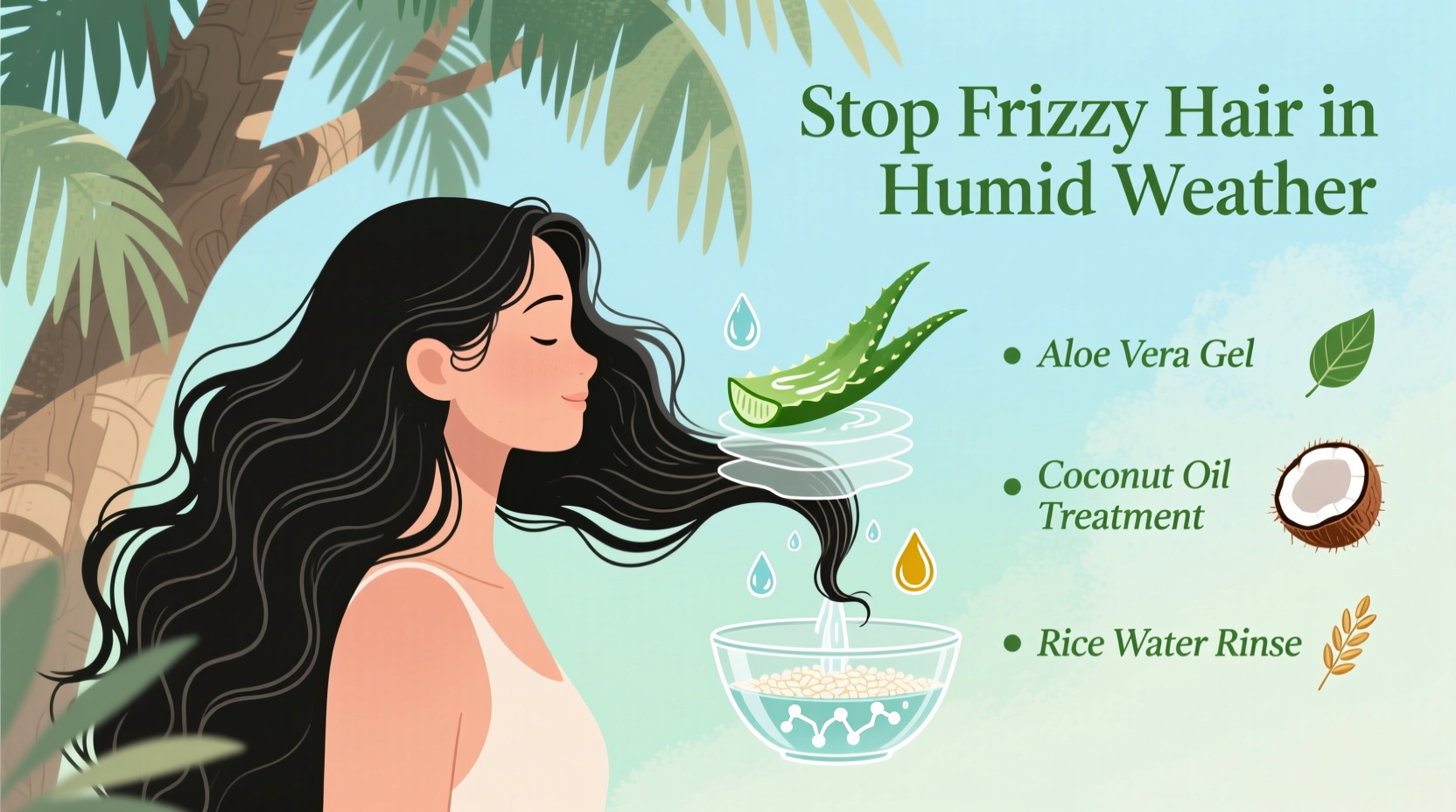
Frizz isn’t just a cosmetic issue—it's a structural response. Each strand of hair has a protective outer layer called the cuticle. In dry conditions, this layer lies flat, reflecting light and giving hair a smooth appearance. However, when humidity rises, water molecules in the air penetrate the hair cortex, causing it to expand. This expansion lifts the cuticle, creating roughness and static, which we perceive as frizz.
People with curly or chemically treated hair are especially prone because their cuticles are naturally more open due to texture or prior damage. Additionally, dehydrated hair seeks moisture aggressively, making it more susceptible to absorbing ambient humidity. Therefore, the key to combating frizz lies not in fighting moisture entirely—but in managing it intelligently through hydration, protection, and sealing.
“Hair behaves like a sponge in high humidity. If it’s already well-hydrated, it won’t absorb as much external moisture—this is the foundation of anti-frizz care.” — Dr. Lena Torres, Trichologist & Hair Scientist
Natural Ingredients That Combat Humidity-Induced Frizz
The best natural remedies work by either coating the hair to block moisture, deeply hydrating the cortex, or strengthening the cuticle. Unlike silicones that merely sit on the surface, plant-based oils and butters penetrate and condition over time, improving hair health while reducing frizz.
- Coconut oil: Rich in lauric acid, coconut oil penetrates the hair shaft better than any other oil. It reduces protein loss and forms a light moisture barrier against humidity.
- Aloe vera gel: A natural humectant that balances moisture without weighing hair down. Its polysaccharides help bind water to the hair while smoothing the cuticle.
- Shea butter: Provides intense conditioning and creates a protective film around strands, shielding them from environmental moisture.
- Apple cider vinegar (ACV): Helps close the cuticle after washing, making hair smoother and less porous so it absorbs less humidity.
- Flaxseed gel: A natural alternative to synthetic gels. It defines curls, reduces flyaways, and holds shape without crunch or residue.
- Honey: A natural humectant that draws moisture into the hair but must be used with an occlusive agent (like oil) to prevent over-absorption in humid climates.
Step-by-Step Guide: Natural Anti-Frizz Routine for Humid Days
Consistency is crucial. A one-time treatment might offer temporary relief, but a structured routine builds resilience. Follow this 5-step process weekly—or every wash day—for lasting results.
- Pre-wash oil treatment (1–2 hours before shampooing): Apply warm coconut oil or a blend of jojoba and argan oil to dry hair, focusing on mid-lengths and ends. Cover with a shower cap to enhance penetration. This pre-treatment prevents excessive moisture absorption during washing and strengthens the hair’s defense against humidity.
- Cleanse gently with ACV rinse: Mix 1 part raw, unfiltered apple cider vinegar with 3 parts water. After shampooing, pour this over your hair, massage into the scalp, then rinse thoroughly. ACV closes the cuticle, removes residue, and restores pH balance.
- Deep condition with a hydrating mask: Use a homemade mask combining mashed avocado, 1 tablespoon honey, and 1 tablespoon plain yogurt. Avocado delivers fatty acids, honey attracts moisture, and yogurt contains lactic acid to gently exfoliate the scalp. Apply from roots to ends, leave for 20 minutes, then rinse with cool water.
- Seal with a natural serum: On damp hair, apply 3–5 drops of argan or marula oil to the palms, emulsify, and smooth over the surface of your hair. Focus on ends and frizz-prone areas. This step locks in hydration and creates a breathable shield against humidity.
- Style with flaxseed gel: Simmer ¼ cup flaxseeds in 2 cups water until thickened (about 10 minutes). Strain and cool. Use this gel to define curls or slick back edges. It provides flexible hold and shine without synthetic polymers.
Do’s and Don’ts: Managing Frizzy Hair Naturally
| Do’s | Don’ts |
|---|---|
| Use silk or satin pillowcases to reduce friction | Brush dry curly hair—it increases frizz and breakage |
| Apply leave-in conditioners made with aloe or herbal infusions | Use hot tools daily without heat protection |
| Twist or braid damp hair overnight for defined waves | Wash hair too frequently—strips natural oils |
| Protect hair with a wide-brimmed hat or scarf outdoors | Rub hair vigorously with a cotton towel—causes cuticle damage |
| Reapply small amounts of oil if hair feels dry during the day | Ignore split ends—trim every 8–12 weeks |
Real-Life Example: Maria’s Transition to Natural Frizz Control
Maria, a graphic designer living in Miami, struggled with frizzy, unmanageable curls every summer. Despite using expensive serums and creams, her hair would puff up within an hour of stepping outside. Frustrated by product buildup and lackluster results, she decided to switch to natural remedies.
She started with a weekly coconut oil pre-wash, followed by an ACV rinse and a homemade avocado-honey mask. She replaced her plastic comb with a wide-tooth wooden one and began sleeping on a silk pillowcase. For styling, she swapped silicone-based gels for flaxseed gel sweetened with a few drops of lavender essential oil.
Within three weeks, Maria noticed her hair felt stronger and looked shinier. Her curls were more defined, and even on 90% humidity days, her style held without puffing out excessively. After two months, she no longer relied on flat irons or heavy products. “I finally feel like my hair belongs to me,” she said. “It’s healthier, calmer, and actually behaves in the heat.”
DIY Recipes for Humidity-Resistant Hair Treatments
You don’t need a pharmacy or salon to create effective anti-frizz solutions. These easy recipes use pantry staples and deliver real results.
1. Coconut-Aloe Smoothing Spray
- ½ cup aloe vera juice (not gel)
- 2 tablespoons melted coconut oil
- 10 drops rosemary essential oil (optional, for scalp health)
Mix in a spray bottle. Shake well before each use. Spritz on damp hair before air-drying or styling. Keeps hair hydrated and reduces puffiness.
2. Shea Butter & Olive Oil Serum
- 2 tablespoons unrefined shea butter
- 1 tablespoon extra virgin olive oil
- 1 teaspoon vitamin E oil
Whip ingredients together until creamy. Store in a jar. Use a pea-sized amount on ends or frizzy sections as needed. Ideal for thick, coarse, or Afro-textured hair.
3. Herbal Rinse for Shine and Smoothness
- 1 cup strong chamomile or green tea (cooled)
- 1 tablespoon ACV
- 1 teaspoon glycerin (vegetable-based)
Pour over hair after shampooing. Leave for 5 minutes, then rinse. Chamomile enhances light tones and soothes the scalp; glycerin adds moisture control.
Frequently Asked Questions
Can I use honey in humid weather without making frizz worse?
Yes, but with caution. Honey is a humectant, meaning it draws moisture from the air. In moderate humidity, it helps hydrate hair. However, in very high humidity, it may attract too much moisture, leading to puffiness. To counter this, always pair honey with an occlusive ingredient like shea butter or oil to seal in hydration and limit external absorption.
Is flaxseed gel really effective for frizz control?
Yes. Flaxseed gel contains natural polymers that form a flexible film around the hair, locking in shape and reducing frizz. Unlike synthetic gels, it doesn’t flake or harden. Users report improved curl definition and reduced shrinkage. For best results, apply to soaking wet hair and allow to air-dry.
How often should I apply oil treatments?
For most hair types, a pre-wash oil treatment once a week is sufficient. Fine or oily hair may benefit from biweekly applications focused only on the ends. Overuse can lead to buildup, so monitor how your hair responds and adjust frequency accordingly.
Checklist: Your Natural Anti-Frizz Action Plan
- ☐ Perform a pre-shampoo oil treatment weekly
- ☐ Replace regular conditioner with a deep hydrating mask every 7–10 days
- ☐ Use an ACV rinse after shampooing to close the cuticle
- ☐ Switch to a silk pillowcase or bonnet
- ☐ Style with natural gels (flaxseed, marshmallow root, or aloe-based)
- ☐ Avoid sulfates and silicones in hair products
- ☐ Trim split ends every 8–12 weeks
- ☐ Protect hair from sun and pollution with hats or scarves
- ☐ Limit heat styling and always use a natural heat protectant (e.g., aloe or oil blend)
- ☐ Stay hydrated—healthy hair starts from within
“The shift to natural hair care isn’t about rejecting science—it’s about aligning with biology. When you work with your hair’s natural structure, rather than against it, frizz becomes manageable.” — Dr. Nadia Chen, Holistic Dermatologist
Final Thoughts: Embrace Your Hair’s Nature, Even in Humidity
Frizz doesn’t mean failure. It often signals that your hair is trying to balance moisture in a challenging environment. Instead of waging war against humidity, equip your hair with natural defenses that support its integrity. The remedies outlined here do more than smooth—they nourish, strengthen, and restore resilience over time.
Results may take a few weeks to become visible, especially if transitioning from chemical-laden products. Be patient. Track changes in texture, shine, and manageability. Adjust ingredients based on your hair’s feedback. What works for fine straight hair may overwhelm thick curls—and vice versa.
Nature offers abundant tools to keep your hair looking polished and healthy, regardless of the weather. By choosing whole-ingredient solutions, you invest not just in appearance, but in long-term hair vitality.




 浙公网安备
33010002000092号
浙公网安备
33010002000092号 浙B2-20120091-4
Comments
No comments yet. Why don't you start the discussion?