
Denim is a wardrobe staple—versatile, durable, and timeless. But nothing undermines its appeal faster than faded, washed-out jeans after just a few cycles. While some embrace the natural aging of denim, premature or uneven fading often results from improper care. The good news: with the right techniques, you can significantly slow down color loss and keep your jeans looking rich and vibrant for years. This guide breaks down scientifically sound and industry-tested methods to preserve your denim’s depth, from fabric science to real-world laundry habits.
The Science Behind Denim Fading
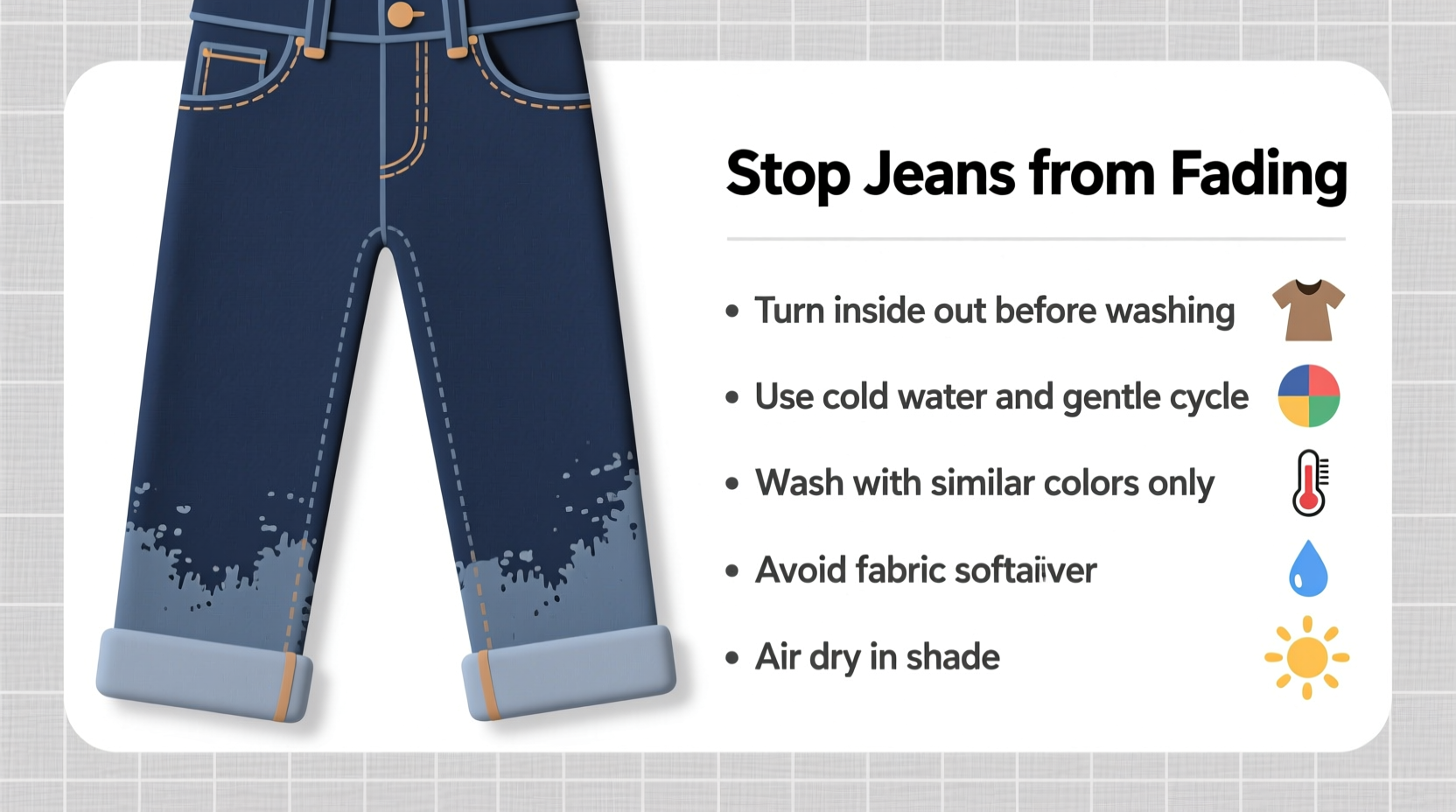
Jeans fade because the indigo dye used in most denim fabrics isn’t permanently bonded to the cotton fibers. Unlike reactive dyes that chemically attach to fabric, indigo coats the outer layer of the yarn. Each time jeans are agitated in water—especially hot, soapy water—tiny amounts of dye detach. This process accelerates with friction, UV exposure, and chemical detergents.
Fading isn't inherently bad; raw denim enthusiasts celebrate it as “character.” But uncontrolled fading leads to patchy knees, ghosting at seams, and a dull overall appearance. The goal isn’t to prevent all fading, but to manage it intentionally and evenly.
“Indigo is a surface dye—it will always release pigment. The key is minimizing mechanical and chemical stress during cleaning.” — Dr. Lena Torres, Textile Chemist, University of Manchester
Washing Techniques That Preserve Color
How you wash jeans is the single biggest factor in preventing rapid fading. Most people over-wash their denim, using harsh settings that strip color within weeks.
Turn Jeans Inside Out
This simple step reduces direct abrasion on the dyed surface. By flipping jeans inside out, you shield the visible outer layer from friction against other clothes and the drum walls.
Use Cold Water Only
Hot water opens up cotton fibers, allowing more dye to escape. Cold water minimizes fiber swelling and keeps indigo locked in place. Always select a cold-water cycle, ideally below 30°C (86°F).
Wash Less Frequently
Jeans don’t need laundering after every wear. Cotton resists odor buildup better than synthetic fabrics. Unless visibly soiled or smelly, wearing jeans 5–10 times between washes is perfectly safe—and better for longevity.
Choose a Gentle Detergent
Avoid detergents with bleach, optical brighteners, or enzymes designed to break down organic stains—these accelerate fading. Opt for pH-neutral, dye-free detergents formulated for darks or delicates. Brands like Woolite Dark, The Laundress Denim Wash, or Dr. Bronner’s Pure-Castile offer gentler alternatives.
Step-by-Step Guide: Washing Jeans the Right Way
- Spot clean when possible. Use a damp cloth and mild soap to treat small stains instead of full washing.
- Turn jeans inside out before placing in the machine.
- Zip up and button to reduce stress on seams and prevent snagging.
- Load only a few garments to minimize tumbling friction. Never overload.
- Select cold water and delicate cycle (hand-wash setting if available).
- Use half the recommended detergent—less is more.
- Air dry immediately—never use a dryer unless specified otherwise (see next section).
Drying and Storage: What Most People Get Wrong
The drying phase causes nearly as much damage as washing. Tumble drying generates heat and constant tumbling, both of which degrade indigo bonds and weaken fibers.
Air Dry Flat or Hanging
Lay jeans flat on a drying rack or hang them by the waistband (not the legs) to avoid stretching. Avoid direct sunlight, which bleaches color through UV degradation. A shaded, well-ventilated area is ideal.
Avoid Wringing or Twisting
Squeezing water out creates stress points where fading begins. Instead, press gently between towels to absorb excess moisture.
Proper Storage Preserves Fabric Integrity
Store jeans folded or hung on wide wooden hangers to maintain shape. Avoid plastic bags or vacuum-sealed containers, which trap moisture and encourage mildew. If stacking folded jeans, rotate positions occasionally to prevent permanent creasing.
| Do’s | Don’ts |
|---|---|
| Wash every 5–10 wears | Wash after every single wear |
| Use cold water & gentle cycle | Use hot water or heavy-duty cycles |
| Air dry in shade | Tumble dry on high heat |
| Turn inside out before washing | Wash right-side out |
| Store folded or on proper hangers | Leave crumpled in a drawer |
Advanced Tips from Denim Care Experts
Beyond basic laundry rules, dedicated denim owners use specialized techniques to enhance longevity and control fading patterns.
The Freezer Myth—Debunked
A popular myth suggests freezing jeans kills odor-causing bacteria, reducing the need to wash. However, studies show freezing does not effectively sanitize fabric. Bacteria may survive dormant in ice crystals. Air-drying and spot-cleaning are more reliable for extending wear cycles.
Soak in Vinegar Solution (First Wash Only)
For new jeans, soaking in a mixture of cold water and white vinegar (1 cup per gallon) for 30–60 minutes can help set the dye. Acetic acid slightly tightens cotton fibers, reducing initial shedding. After soaking, rinse lightly and air dry—do not machine wash immediately.
Freeze Your Expectations, Not Your Jeans
Instead of relying on freezing, adopt a rotation system. Own two or three pairs of similar-style jeans and alternate them weekly. This gives each pair time to rest, recover shape, and off-gas naturally between wears.
Mini Case Study: How Alex Maintained Black Jeans for Over Two Years
Alex Chen, a graphic designer in Portland, struggled with his black selvedge jeans fading at the thighs and pockets within months. After researching denim care forums and consulting a local tailor, he implemented a strict regimen:
- Wore each pair 8–10 times before washing.
- Always turned jeans inside out and used Woolite Dark in cold water.
- Air-dried flat indoors, away from windows.
- Stored folded in a breathable cotton drawer liner.
After 26 months, Alex’s jeans showed even wear and retained 90% of their original depth. Minor fading appeared at stress points—knees and seat—but created a personalized look rather than random blotchiness. His routine added less than five minutes per month compared to previous habits, proving that consistency beats complexity.
“The best denim care is invisible. It’s not about doing more—it’s about doing less, but smarter.” — Mariko Sato, Founder of RawDenimCare.org
Checklist: 7 Habits to Stop Jeans from Fading
Follow this checklist every time you handle your jeans:
- ✅ Wear jeans multiple times before washing
- ✅ Turn jeans inside out before laundering
- ✅ Use cold water and delicate cycle
- ✅ Choose a dye-safe, low-suds detergent
- ✅ Never tumble dry—air dry only
- ✅ Avoid direct sunlight during drying and storage
- ✅ Fold or hang properly after use
FAQ: Common Questions About Preventing Denim Fading
Can I hand wash my jeans instead of using a machine?
Yes, hand washing is even gentler than machine washing. Fill a tub with cold water and a small amount of mild detergent. Submerge jeans and gently swish for 2–3 minutes. Let soak for up to 30 minutes, then drain and rinse with cold water until runoff is clear. Press out water without wringing and air dry.
Why do my jeans fade more at the back pockets and thighs?
These areas experience the most friction—from sitting, bending, and contact with chairs or car seats. Over time, repeated rubbing loosens dye particles. To minimize this, rotate jeans regularly and avoid abrasive surfaces when seated.
Are there special detergents for dark jeans?
Yes. Detergents like Woolite Dark, Nikwax Denim Proof, or Forever New Black are formulated to protect color. They lack bleaching agents and often include dye-locking polymers that form a protective barrier around fibers.
Conclusion: Make Your Denim Last Longer Starting Today
Preserving the color of your jeans doesn’t require expensive products or hours of maintenance. It comes down to understanding fabric behavior and adjusting everyday habits. From turning them inside out to skipping the dryer, small changes compound into dramatic improvements in appearance and lifespan. High-quality denim is an investment—treat it with care, and it will serve you well for years, developing character on your terms, not the washing machine’s.




 浙公网安备
33010002000092号
浙公网安备
33010002000092号 浙B2-20120091-4
Comments
No comments yet. Why don't you start the discussion?