
Jeans are a wardrobe staple for millions, valued for their durability, versatility, and timeless style. Yet one of the most frustrating issues wearers face is color fading—especially after just a few washes. While many assume fading is inevitable, it's actually preventable with the right care techniques. The good news? You don’t need specialty detergents or expensive treatments. Simple household items like vinegar, salt, and cold water can significantly slow down fading and help your jeans retain their deep indigo hue for years.
Fading occurs when denim fibers lose dye due to friction, heat, and chemical exposure during washing. Over time, this leads to a washed-out appearance, particularly at stress points like pockets, thighs, and hems. But by adjusting your laundry habits and leveraging ingredients already in your kitchen, you can dramatically reduce color loss without compromising cleanliness.
Why Jeans Fade and How Washing Accelerates It
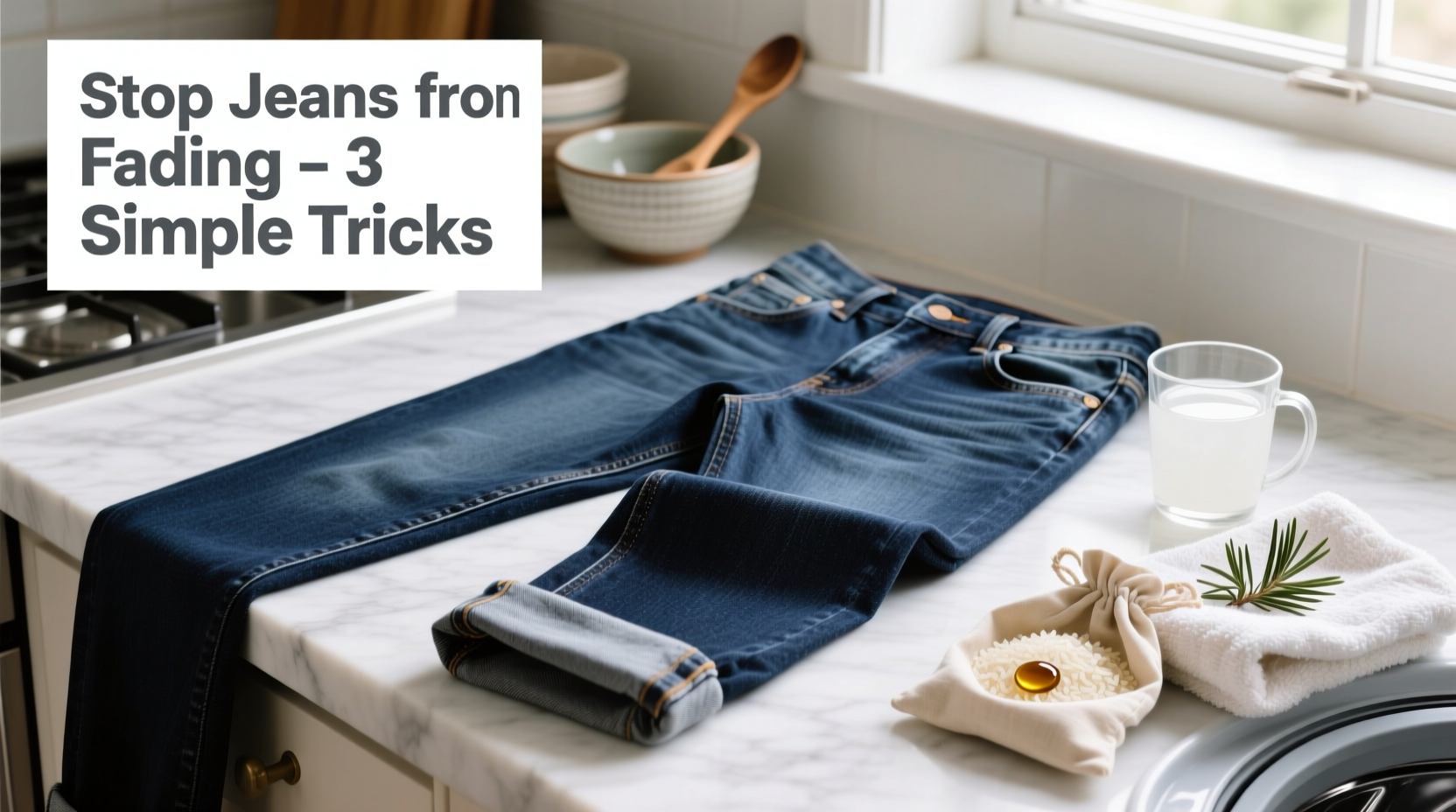
Denim is typically dyed with indigo, a pigment that adheres to the surface of cotton fibers rather than penetrating deeply. This means the dye is more prone to washing away over time. Traditional raw denim fades gradually with wear, creating a personalized look—but forced, uneven fading from improper laundering diminishes both aesthetics and fabric integrity.
The primary culprits behind rapid fading include:
- Hot water: Opens up denim fibers, allowing dye to escape more easily.
- Aggressive agitation: Machine tumbling causes fibers to rub against each other, accelerating dye loss.
- Harsh detergents: Many contain bleaching agents or enzymes that strip color.
- Overwashing: Frequent laundering increases exposure to damaging elements.
- Direct sunlight drying: UV rays break down dye molecules and weaken fabric.
Understanding these factors allows you to make informed choices that protect your jeans. The solution isn’t to stop washing altogether—but to wash smarter.
Key Household Items That Prevent Fading
You likely already have everything you need to preserve your denim. These everyday items work by stabilizing dye, reducing fiber stress, and minimizing chemical damage.
Vinegar (White or Apple Cider)
Vinegar is mildly acidic, which helps set fabric dyes and close cotton fibers after washing. Adding vinegar to your rinse cycle acts as a natural fabric conditioner and color fixative. It also neutralizes odors without masking them with synthetic fragrances.
Salt (Table or Sea Salt)
Salt has long been used in textile processing to help bind dye to fibers. When added during the first few washes, salt can reduce initial dye bleed and improve color retention. It’s especially effective on new jeans.
Cold Water
Not an “item” per se, but crucial. Cold water prevents fibers from expanding, keeping dye locked in place. It also saves energy and reduces shrinkage.
Baking Soda
A gentle cleaning booster, baking soda lifts dirt and neutralizes acids without abrasiveness. Use sparingly—it can raise pH levels, which may affect some dyes if overused.
Plastic Bags (for freezer storage between wears)
An unconventional but effective method: placing worn jeans in a plastic bag and freezing them kills odor-causing bacteria, reducing the need for frequent washing.
“Preserving denim isn’t about avoiding cleanliness—it’s about redefining it. Gentle, infrequent washing with natural additives can extend a pair’s life by years.” — Lena Torres, Sustainable Fashion Consultant
Step-by-Step Guide to Washing Jeans at Home
Follow this detailed process to minimize fading using only household supplies:
- Turn jeans inside out. This shields the outer fabric from direct friction and protects the visible color.
- Close all zippers and buttons. Prevents snagging and reduces stress on seams.
- Pre-treat stains (if needed). Mix one tablespoon of baking soda with a splash of water to form a paste. Gently rub onto stained areas like knees or cuffs. Avoid bleach-based removers.
- Fill your machine with cold water. Set the cycle to “gentle” or “delicate.” If hand-washing, use a basin filled with cold water.
- Add one cup of white vinegar to the rinse cycle (or soak). For new jeans, add ½ cup of salt along with the vinegar during the first two washes.
- Use minimal detergent. Choose a mild, dye-free formula. One tablespoon is usually enough for a full load.
- Avoid fabric softeners. They coat fibers with chemicals that degrade cotton and reduce breathability.
- Wash alone or with similar dark colors. Prevents lint transfer and cross-color bleeding.
- Hang dry away from direct sunlight. Lay flat or hang vertically indoors. Never use a dryer—heat breaks down fibers and accelerates fading.
- Iron inside out (if needed). Use low heat and avoid pressing directly on printed or distressed areas.
Do’s and Don’ts: Best Practices Summary
| Do | Don’t |
|---|---|
| Wash every 3–10 wears depending on use | Wash after every single wear |
| Use cold water and gentle cycle | Use hot water or heavy-duty settings |
| Add vinegar or salt to stabilize dye | Use chlorine bleach or optical brighteners |
| Turn jeans inside out before washing | Wash inside out only sometimes |
| Line dry indoors or in shade | Tumble dry on high heat |
| Store folded or hung properly | Leave crumpled at the bottom of a drawer |
Real Example: Reviving a Faded Pair of Jeans
Mark, a graphic designer from Portland, noticed his favorite black jeans had turned gray at the thighs and pockets after six months of weekly washing. He was ready to replace them until he learned about vinegar and cold-water washing. He decided to test the method.
He washed the jeans inside out in cold water, adding one cup of white vinegar and skipping detergent entirely. After air-drying, he noticed not only a reduction in stiffness but also a surprising return of depth in the black dye. Over the next three months, he extended wear cycles to every ten days and avoided the dryer completely. The fading stabilized, and the jeans regained a cleaner, more uniform appearance. Six months later, they still look wearable—saving him over $100 in replacement costs.
This case illustrates that even moderately faded jeans can benefit from improved care. It’s never too late to start protecting your denim.
Extended Care Tips for Long-Term Color Preservation
Beyond washing, several small habits contribute to lasting color:
- Rotate your jeans: Owning multiple pairs allows each to rest between wears, reducing strain and odor buildup.
- Air them out: After wearing, hang jeans outside (but not in direct sun) for 30 minutes to freshen the fabric.
- Freeze occasionally: Place in a sealed plastic bag and freeze overnight once a month to kill bacteria and reduce odor.
- Repair early: Mend small tears or loose threads before they worsen and require patching, which disrupts dye continuity.
- Limit abrasive contact: Avoid sitting on rough concrete or metal surfaces, which grind away fibers and create fade spots.
When to Wash: A Quick Checklist
- They smell despite airing out
- There’s visible dirt, spills, or sweat stains
- You’ve worn them for 8–10 casual outings
- They feel stiff or grimy to the touch
Frequently Asked Questions
Can I use apple cider vinegar instead of white vinegar?
Yes. Both types are acidic and effective at setting dye. However, white vinegar is preferred because it’s colorless and won’t risk staining light fabrics. Apple cider vinegar has pigments that could transfer in rare cases, so use it only if necessary and rinse thoroughly.
Will vinegar make my jeans smell like pickles?
No. The vinegar odor dissipates completely once the jeans dry. In fact, it helps eliminate musty or sour smells caused by bacteria. For extra freshness, add a few drops of essential oil (like lavender or tea tree) to the rinse cycle.
Is hand-washing better than machine washing?
Generally, yes. Hand-washing gives you full control over water temperature, agitation, and soaking time, minimizing stress on the fabric. Fill a tub with cold water, add vinegar and a small amount of detergent, gently swish the jeans for 3–5 minutes, then soak for up to 30 minutes. Rinse thoroughly and air dry.
Conclusion: Protect Your Denim, Save Money, Reduce Waste
Preserving your jeans from fading doesn’t require special products or complicated routines. With simple household items—vinegar, salt, cold water, and a little patience—you can maintain rich color, enhance comfort, and extend the life of your favorite pairs. Every wash becomes an act of care, not just cleaning.
Think of your jeans as investments in both style and sustainability. By reducing wash frequency, choosing gentler methods, and using natural additives, you’re not only saving money but also lowering your environmental footprint. Fewer washes mean less water, energy, and microfiber pollution.




 浙公网安备
33010002000092号
浙公网安备
33010002000092号 浙B2-20120091-4
Comments
No comments yet. Why don't you start the discussion?