
Puppy biting is one of the most common challenges new dog owners face. While it's a natural part of a puppy’s development—used for exploration, teething, and play—it can become problematic if not addressed early. Left unchecked, this behavior can evolve into serious aggression or habituation to nipping humans. The good news: with consistency, patience, and the right techniques, you can stop puppy biting in as little as two to three weeks. This guide outlines science-backed, practical training methods that professional trainers and behaviorists use every day to correct this behavior effectively.
Understanding Why Puppies Bite
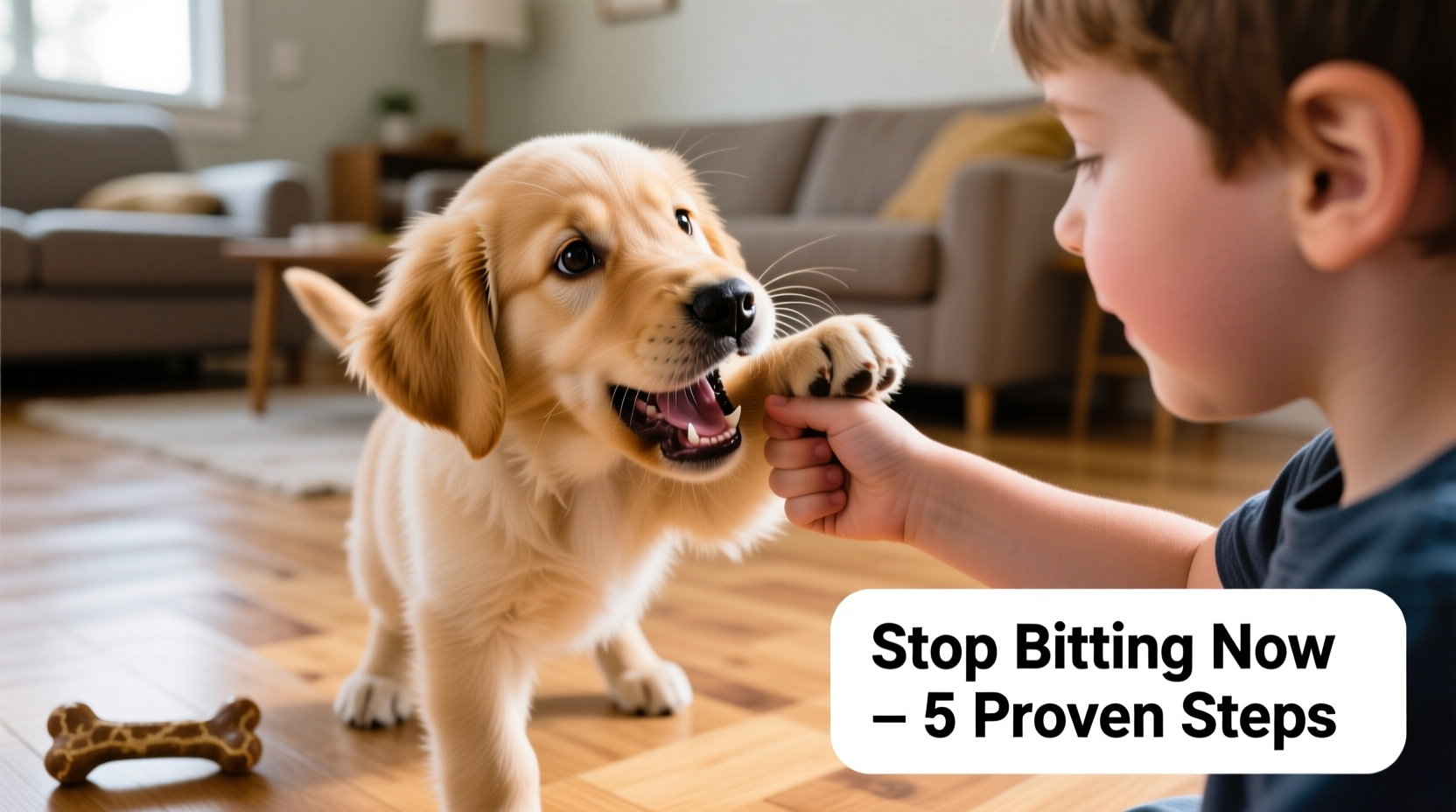
Puppies explore the world with their mouths. From birth, they use biting during nursing, play, and social interaction with littermates. When separated from their mother and siblings, they often transfer this behavior to human hands, clothing, and furniture. Teething, which begins around 3–4 months and lasts up to 7 months, also increases chewing and nipping as puppies seek relief from sore gums.
However, allowing a puppy to bite people—even gently—sends the message that mouthing is acceptable. Without intervention, this can escalate into painful bites or fear-based aggression later in life. The key is to redirect the behavior early while teaching bite inhibition: the ability to control the force of their bite.
“Puppies who learn bite inhibition before 16 weeks are far less likely to develop aggressive tendencies as adults.” — Dr. Ian Dunbar, Veterinarian and Canine Behavior Pioneer
Effective Training Methods That Work
The most successful approaches combine redirection, consistent consequences, positive reinforcement, and environmental management. Below are five proven strategies used by certified dog trainers.
1. The Redirect-and-Reward Technique
When your puppy bites, immediately stop moving and offer an appropriate chew toy. The moment they release your skin and engage with the toy, reward them with praise or a treat. This teaches them what they *can* bite instead of just what they can’t.
Example: If your puppy latches onto your sleeve while you're sitting, freeze, then say “Oops!” and immediately present a chew toy. Once they take it, say “Good chew!” and give a small treat. Repeat consistently.
2. Time-Out Method (Removal from Play)
Puppies crave interaction. When biting occurs, removing attention acts as a powerful deterrent. This method works best when combined with clear verbal cues.
- During play, allow gentle mouthing only if it doesn’t hurt.
- If the puppy bites too hard, yelp sharply (“Ouch!”) to mimic how a littermate would react.
- Immediately stand up, turn away, and leave the room for 20–30 seconds.
- Return only when calm and resume play—if biting resumes, repeat the process.
This teaches cause and effect: biting = end of fun. Over time, the puppy learns softer mouthing keeps play going.
3. Use Positive Reinforcement for Calm Behavior
Rewarding non-biting behavior is just as important as correcting biting. Puppies need to associate calmness with rewards.
- Give treats when your puppy chooses to lie down quietly near you.
- Use high-value treats (like boiled chicken or freeze-dried liver) during high-energy moments.
- Clicker training can help mark desired behaviors instantly.
For instance, if your puppy settles beside you after a play session without mouthing, click and treat. This reinforces self-control.
4. Manage the Environment
Prevention is critical. A tired, overstimulated puppy is more likely to bite. Control their environment to reduce triggers.
| Situation | What to Do | Why It Works |
|---|---|---|
| After meals or waking up | Provide a chew toy in a crate or pen | Channels excess energy safely |
| During play sessions | Limited to 10–15 minutes; end before overexcitement | Prevents arousal threshold from being crossed |
| When guests arrive | Confine puppy with a stuffed Kong until calm | Reduces excitement-induced nipping |
| Teething phase | Offer frozen washcloths or chilled rubber toys | Sothes sore gums, redirects chewing |
5. Teach Bite Inhibition Through Controlled Interaction
Bite inhibition isn't about eliminating mouthing entirely—it's about teaching your puppy to modulate pressure. During controlled play, allow soft mouthing on hands, but react immediately to hard bites.
Follow this sequence:
- Let puppy mouth your hand gently during play.
- When teeth make contact too hard, say “Too bad!” and withdraw your hand for 10 seconds.
- Re-engage only when the puppy shows interest calmly.
- Gradually raise the standard—eventually, any tooth contact ends the game.
This mirrors how puppies learn from each other in the litter. By 12–16 weeks, they should understand that gentle interaction leads to continued play.
Mini Case Study: Max, the Labrador Retriever Puppy
Max, a 10-week-old yellow Lab, was adopted by a first-time owner. He loved playing but frequently bit arms, ankles, and furniture—especially during evening zoomies. His owner tried yelling “No!” and tapping his nose, but the behavior worsened.
A certified trainer recommended the time-out method combined with scheduled chew breaks. Every two hours, Max received a 10-minute play session with tug toys. If he bit skin, the owner said “Yipe!” and left the room for 30 seconds. Chew toys were offered immediately upon return.
Within 10 days, Max reduced biting by 80%. By week three, he chose toys over hands 90% of the time. At four months, he no longer attempted to mouth people, even during high-arousal situations like greeting visitors.
The success came from consistency across all family members and eliminating accidental reinforcement (e.g., no more roughhousing with hands).
Common Mistakes That Delay Progress
Even well-intentioned owners can undermine training with these habits:
- Using physical punishment: Hitting, slapping, or pinching teaches fear, not bite control.
- Inconsistent responses: One person uses time-outs, another laughs and encourages nipping—this confuses the puppy.
- Allowing biting during “fun” times: Rough play with hands signals that biting is sometimes okay.
- Neglecting mental stimulation: Under-stimulated puppies bite out of boredom.
- Ignoring body language: Lip licking, whale eye, or stiffening may indicate anxiety-driven biting.
Step-by-Step Timeline: Stop Puppy Biting in 21 Days
Follow this structured plan for fast, lasting results:
- Day 1–3: Remove all access to inappropriate items (shoes, cords). Stock up on chew toys. Begin carrying one at all times.
- Day 4–7: Implement the time-out method consistently. End play immediately after any skin contact. Use “Ouch!” + walk away.
- Day 8–14: Introduce bite inhibition training. Reward soft mouthing, withdraw for hard bites. Increase duration of calm interactions.
- Day 15–21: Phase out treats for toy engagement; switch to intermittent rewards. Test in distracting environments (park visits, guests).
By day 21, your puppy should reliably choose toys over skin and respond to verbal cues like “Gentle” or “Leave it.” If progress stalls, reassess consistency and consult a certified trainer.
Checklist: How to Stop Puppy Biting – Action Plan
Print or save this checklist to track daily progress:
- ✅ Keep 3–5 chew toys accessible at all times
- ✅ End play immediately after any skin contact
- ✅ Use a sharp “Ouch!” or “Yipe!” sound followed by removal
- ✅ Reward calm behavior with treats or affection
- ✅ Schedule short play sessions (10–15 mins) to prevent overarousal
- ✅ Freeze or hold still when bitten—don’t pull away (movement excites puppies)
- ✅ Involve all household members in consistent training
- ✅ Avoid rough play involving hands or feet
- ✅ Provide daily mental exercise (puzzle feeders, scent games)
- ✅ Consult a veterinarian if biting seems pain-related or obsessive
FAQ: Common Questions About Puppy Biting
Is it normal for my puppy to bite me every time I move?
Yes, especially between 8–16 weeks. Puppies are drawn to motion and use their mouths to investigate. However, it must be corrected early. Use redirection and time-outs to teach boundaries. With consistent training, this phase should improve significantly within three weeks.
My puppy only bites certain people. Why?
This usually indicates inconsistent handling. Some people may encourage play biting by wiggling fingers or running away, which excites the puppy. Others may react harshly, creating fear. Uniform rules across all family members and guests are essential. Train everyone to use the same verbal cue and response.
Should I use a bitter spray on my hands?
Bitter sprays are generally not recommended for skin. They can be toxic if ingested and don’t teach the puppy what to do instead. Focus on positive redirection—spraying a toy with bitter apple *can* help protect valuables, but always pair it with offering an acceptable alternative.
Conclusion: Build a Bite-Free Relationship
Stopping puppy biting isn’t about dominance or punishment—it’s about communication. Puppies don’t come pre-programmed with human social rules. They rely on us to guide them with clarity, kindness, and consistency. The techniques outlined here work because they align with canine learning principles: consequences shape behavior, and rewards reinforce desired actions.
Every interaction is a training opportunity. When you respond calmly and correctly to a bite, you’re not just stopping a nuisance—you’re building trust, respect, and a lifelong bond. Start today. Be patient, stay unified with your household, and celebrate small wins. Within weeks, you’ll have a well-mannered companion who knows exactly where those teeth belong: on toys, not skin.




 浙公网安备
33010002000092号
浙公网安备
33010002000092号 浙B2-20120091-4
Comments
No comments yet. Why don't you start the discussion?